
Starting your path to healthy living, may sound simple enough, but why do so many of us struggle with getting started let alone turning health into your daily routine?
The why is because: it can actually be a little overwhelming when we think about altering our lifestyle to change it up to be a healthier version of ourselves, we feel like we need to change everything all at once, eat clean, exercise, get the sleep, drink the water, see the naturopath and the list goes on. And when we try to do the all or nothing approach, we cannot keep up with the list of lifestyle changes we are trying to adapt to, while still trying to manage our busy everyday life demands.
When you start your journey to healthier living, there seems to be so much information to weed through. It can be confusing and difficult to determine what you should focus on first.
There is no particular order in what a healthy lifestyle looks like on paper, and this is because we are all different, we all have specific areas which may be great and then there’s certainly other areas which we need to put a little more effort into, and this is determined by the individual, it is more about making good, consistent lifestyle choices and adjusting areas which you could improve.
Generally speaking, the 3 main areas in which we should start making changes is
- Diet
- Exercise
- Sleep
However, this is only the beginning of health, lets break it down to what this could look like in your wellness journey.
In no particular order we have created a guide to essential health
1. Nutrition – eating whole foods
Have you heard the phrase: you are what you eat?? Well, this is what nutrition is all about, if you want to feel good inside and out then you need to look at what you are fuelling your body with. Your body needs and relies on proper nutrition and nutrients as an energy source every day to maintain your nervous system, cell regeneration, metabolism, brain function, strengthening your immune system, growth and repair just to name a few.
I am a strong believer in food is medicine and when you overlook a balanced whole food diet and over consuming processed, fast foods you are not only going to be lacking the essential vitamins and minerals your body needs daily, but you are also going to be struggling in many areas of your health including sustaining energy levels, weight management, digestive issues and be at risk of a multitude of diseases.
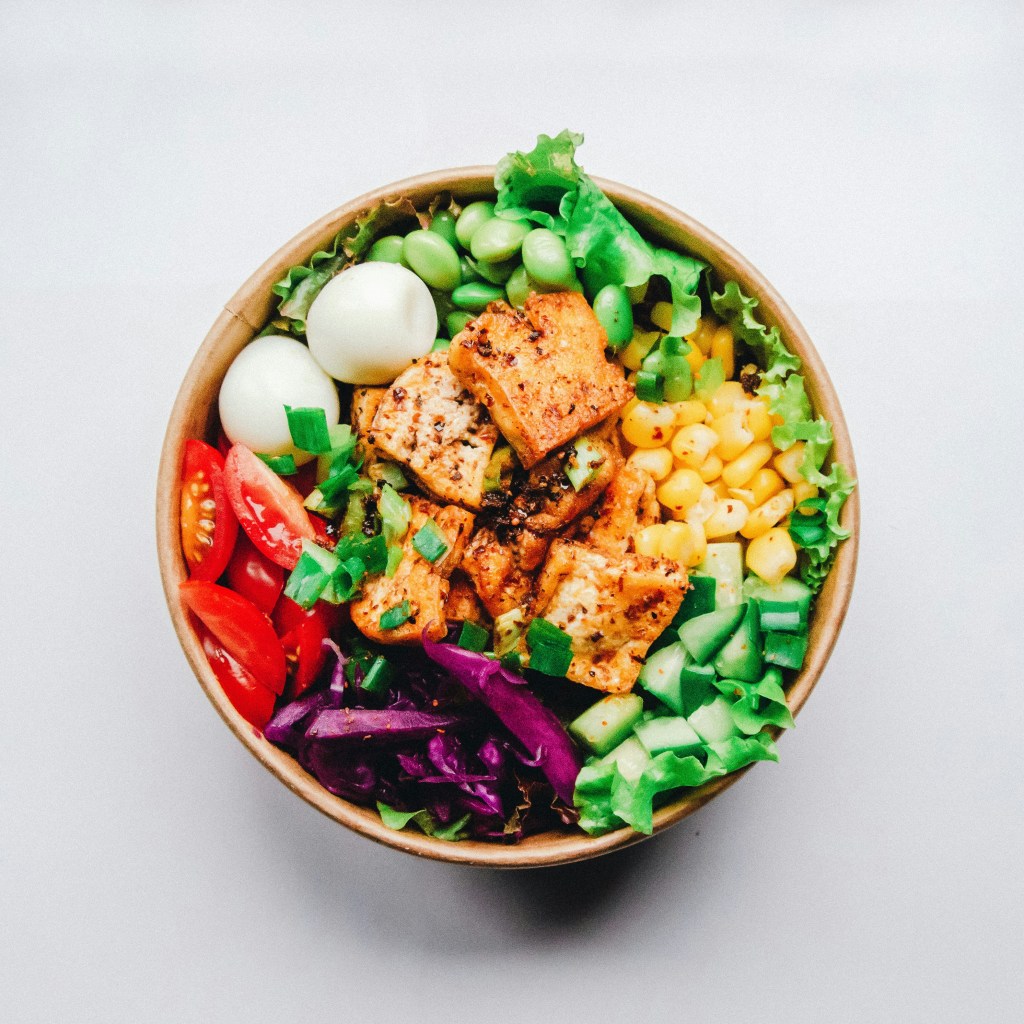
Your diet should include a balanced array of
- Fruits & vegetables
- Good quality proteins
- Legumes
- Nuts & seeds
- Healthy fats – such as Omega fats
- Water
- Some supplements – depending on your diet
- Cook and prepare your own meals
Your diet should be limited in
- Processed snack foods
- Deep fried fast food – well most fast food
- Soft drinks
- Alcohol
- Try not to binge eat
- Don’t snack late at night
- Don’t skip meals
- Try not to eat out, make this a special occasion
Focus on your macros – Forget about just counting calories; your macros levels are what really matter. “Macros” is shorthand for macronutrients, which consists of the grams of protein, carbs, and fats you eat in a day. Micronutrients, in contrast, include vitamins, minerals, and other trace nutrients.
- Carbohydrates: As a vital source of energy, carbs keep your brain and muscles functioning as they should. Carbs, in a typical diet, supply between 40-50% of your daily fuel needs.
- Fat: Adequate fat intake aids vitamin absorption and keeps your organs functioning as they should. Seek out plant-based fats like those found in nuts, seeds, avocadoes, whole eggs along with omega 3 & 6 fats as much as possible. Limit saturated fats. Consume between 20-30% in your daily diet.
- Protein: As the essential building blocks of your body, protein is critical for repairing all tissues like muscle, bones, and skin, and for producing the hormones and enzymes that support proper immune system functioning. You can obtain protein from plant-based sources like tofu, quinoa, brown rice, hemp, spirulina and animal-based protein such as line caught fish, pasture raised eggs and chicken, grass fed and organic meats.it is recommended when maintaining your protein intake, you should consume 10-30% daily, however this can really vary on the individual’s energy expenditure, training regime and personal health goals.
Protein knowledge
If your daily needs are 2,000 calories, that’s 200-700 calories from protein or 50-175 grams.
An average adults recommended dietary allowance to prevent deficiency is 0.8 grams per kilogram of body weight. For example, a person who weighs 75 kg, should consume 60 grams of protein per day.
And then when you are over 50, this will increase again, as the. Body changes and the loss of muscle mass changes as you age. To prevent this and to maintain quality of life, your protein needs increase to about 1-1.2 grams per kilogram or 75-90 grams per day for a 75 kg person.
So, why track macros instead of calories? All calories are not the same, and two foods with the same calorie content can have dramatically different impacts on your health. (100 calories of broccoli, for instance, is hardly the same as 100 calories of chocolate). Tracking macros instead of calories make it easier to monitor the kinds of nutrients that your body is obtaining for optimal health.
If your goal is to reduce body weight, then off course counting calories is a significant part of this, but we do need to remember that eating whole foods will give us the nutrients we need to sustain overall health. When your aim is to lose weight, I would certainly recommend talking to your health practitioner in regard to the daily calorie count you should be focusing on to get your body into a healthy calorie deficit for yourself.
2. Drink your water – stay hydrated
You already know you need to drink your daily water, but few people realise just how important hydration is for optimal mental functioning. Your water intake has a significant effect on energy levels and overall brain functioning, studies show that losing just 1–3 percent of your body weight from dehydration will quickly lead to compromised mental abilities, which can elevate your stress and anxiety levels, and put you at risk of chronic headaches.
And, as it turns out, staying hydrated helps you maintain a healthy weight.
Your brain frequently confuses hunger with thirst, so fighting the urge to snack by drinking a glass of water instead might provide you with the satiety you are looking for.
Drinking enough water can even boost your metabolic rate.
Research shows that drinking half a litre at a time can increase your metabolism by up to 30 percent for hours after.
How to increase your daily water intake
- Start your day off with a glass of water
- Drink a glass of water before or with every meal
- Carry a water bottle with you everywhere you go, filled with filtered water
- Drink herbal tea
- Drink 100% coconut water
- Give yourself a daily water challenge and increase this weekly
- Don’t be lazy and opt for bottled water, however its ok when necessary
Hydration is more than just drinking all of your water each day, instead hydration is about balancing out your body’s electrolytes. Electrolytes are minerals that your body needs to function. They’re called electrolytes because they carry an electric charge. Our nervous system runs on the electricity generated by these molecules, called ions.
Nearly every function in the body that is dependent upon our nervous system (muscle movement, breathing, digestion, thinking) requires electrolytes, and the body places a priority on managing them.
You can balance your electrolytes by including hydrating minerals to your diet or add an electrolyte into your water.

Electrolyte balance is particularly important when
- During and after exercising
- During and after illness
- Drinking excess alcohol
- If you are on a low carb or keto diet
Some of the common electrolytes found in the body are
- Chloride
- Calcium
- Magnesium
- Phosphorus
- Potassium
- Sodium
Foods and Drinks Which include Electrolytes
Fruits and vegetables are natural and one of the best sources of electrolytes, including:
- Leafy green veggies: collard greens, kale, and spinach are excellent sources of calcium and magnesium.
- Squash and sweet potato are rich in potassium while potatoes are a great source of magnesium and phosphorus.
- Fruits like dried apricots and bananas are high in potassium.
- Nuts & seeds such as cashews are good sources of magnesium and phosphorus.
- Kidney beans, lentils, and soybeans contain potassium, phosphorus, and magnesium.
Make your own electrolyte drink:
Ingredients
- 1 cup water
- 2 tablespoons lemon juice
- Small pinch of Celtic Sea salt
- Mix together in a drink bottle or glass, enjoy
3. Move your body

Whether you have your favourite exercise routine or you are new at exercise, just find at least 30 minutes a day to move your body.
Now exercise is a very personal style, we all have certain exercises which we feel good doing and then there’s others which we really dread doing, do not start with the ones you dread!
start with the exercise which you enjoy, grab a friend, your partner or even your children and get them involved, it is so much easier to have an exercise buddy when starting a new routine to push you out the door. Personally I love to do Pilates and yoga, and when I started out I would do the introductory offer at all of the studios in my area, these are offered at a cheaper weekly rate and I then got to see which studio I felt comfortable in, what time schedules fit into my lifestyle and if I was really going to show up for myself and my money, and once again, drag a friend with you if you feel a little shy at first.
Exercise options
- Get out there and walk your dog around the block every day
- Join the gym
- Go to a Pilates class
- Stretch your body at yoga
- Jump on your bike
- Take a walk in your lunch break
- Do an online at home workout using your own body weight
- Go for a hike in the bush
- Go for a stand-up paddle board
- Hire a kayak
- Swim laps at your local pool
Just start somewhere!! You will not regret it, moving your body triggers the brain to release endorphins, which is a natural brain chemical that acts as the bodies pain relievers and mood elevators, producing feelings of wellbeing and happiness. Once you get started, exercise can actually get addictive, as the body craves those feel-good endorphins.
4. Plan your meals
Think your week out ahead, go to the grocery store and farmers market knowing what you need, make a list. Don’t go grocery shopping when you are hungry, otherwise you will find yourself pilling in calorie dense and nutrient deficient processed food options into your basket…
Food prep for work lunches and snacks, if you take your own lunch with you to work you will be less tempted to go for unhealthy fast-food options. Planning meals is all about changing your mindset, get your family on board – its much easier to stay on track when we have support when it comes to your healthy diet.
Find yourself a free calorie tracking app, start logging your daily food into this to see where your macros and calories are sitting, if you have the time you could log this in when meal planning, to see if your meals are actually keeping you on track and within your daily guidelines.
And lastly, don’t buy junk food – if it’s not in the cupboard then you won’t be tempted
5. Spend Time in Sunlight

Spending time outdoors is essential for good health. This is a good place to spend relaxing , it helps reduce stress, increases those feel good endorphins, a great place to exercise and when you time it right and get sunshine it also is the best way to get vitamin D into your system.
Vitamin D is a unique vitamin that most people don’t get enough of. This vitamin is actually a hormone that can be generated in the skin upon ultraviolet light exposure, it is a highly important for overall health and well-being.
Sun exposure times can vary based on the season, location, the amount of skin exposed, along with skin type, but generally 5-30 minutes daily is all that is needed to get adequate vitamin D exposure.
Sun exposure for vitamin D should be balanced with sensible skin protection such as wearing a natural sun cream, covering skin with appropriate clothing, and wearing a hat.
The benefits of Vitamin D
- Maintain healthy bones and teeth
- Can protect you from developing certain types of cancer
- Assist with type 1 diabetes
- Improving your mood and counteracting the effects of depression and anxiety
Not only is the sun great for your vitamin D levels, but research shows that spending time in nature can restore your mind, improve creativity, and even enhance short-term memory formation. No matter where you live, you can bring the benefits of nature into your life, with small changes such as walking or biking to work a few times a week, taking your lunch breaks outdoors or even drinking your morning brew out in the sunshine each day.
6. Sleep
It’s hard to discount the importance of a good night’s sleep, as the benefits for your health go far beyond the bedroom. You’ve probably personally experienced the difference in how you feel from a good night’s sleep versus one where you tossed and turned all night.
Sleep is essential for the basic functions your body needs to perform. Sleep is a restorative process for your body, while also being the time where your system creates new skin cells, hormone regulation, growth and repair, metabolic balances and memory consolidation.
Without adequate amounts of regular sleep, you will eventually start to feel depleted and run down, your immune system will not work as efficiently as it should, which can lead to other health related issues.
Despite what some people may say, especially those “overachievers” who think sleep is not essential, the facts are that most of us should aim for 7–9 hours of quality rest each night. Any less, and you build up a sleep debt that leaves you lagging.
Tips for a good night sleep include
- Turn off electronics a few hours before bed: The blue light glare from your phone screen stimulates your brain and prevents melatonin production, which keeps you awake long after you hit the pillow.
- Stay away from alcohol: While you might feel that a nightcap helps you fall asleep faster, the truth is that drinking before bed causes you to spend less time in REM sleep each night, meaning that you’ll wake up without feeling well-rested.
- Keep your bedroom cool, dark, and quiet: You can optimise the space for better rest by keeping it dark and making it slightly cooler than room temperature.
- Have a good mattress and pillow : On average we spend 1/3 of our life sleeping, so having the perfect bed linen, pillow and mattress are all essential to your life and will result in better, well rested sleep.
- Keep a plant in your bedroom: The right pot plant can not only provide your bedroom with elevated oxygen levels, but it can also clean the air in your room too.
The best indoor plants are
- Peace lily
- Rubber plant
- Snake plants
- Ferns
- Pothos
7. Stress management
Feeling stressed? You’re far from alone. Surveys show that the stress levels of Australians are high and are increasing at a fast pace. These are due to a combination of factors, however the cost of living, over working and the pressures we place on ourselves are certainly at the top of the list which results in burnout.
Stress symptoms may be affecting your health, even though you might not know it. You may blame sickness for that annoying headache, your sleeping troubles, feeling unwell or your lack of focus at work. But stress may really be the cause.
High stress can result in high cortisol levels which will eventually play havoc on your overall health, resulting in anxiety, poor weight management, poor sleep, depression, diabetes, high blood pressure and heart disease.
Stress symptoms can be managed, its about recognising the symptoms and ensuring you take time in your day to alleviate the symptoms as best as possible

ways to reduce stress
- Get regular physical activity on most days of the week.
- Practice relaxation techniques. Try deep breathing, meditation, yoga, tai chi or massage.
- Eat a healthy, balanced diet.
- Get enough sleep
- Have fun, laugh
- Get out into nature
- Spend time with family and friends.
- Set aside time for hobbies. Read a book, listen to music or go for a walk. Schedule time for your passions.
- Write in a journal.
- Stay away from tobacco and alcohol
When to ask for help
If you’re not sure if stress is the cause, or if you’ve taken steps to control your stress but you keep having symptoms, see your health provider this way you can get a full check-up which may look for other potential causes and or you may feel the need to visit a counsellor or therapist, who can help you find the sources of your stress and learn new coping tools.
It’s also very important that you seek emergency help right away if you have chest pain, especially if you also have shortness of breath; jaw, back, shoulder or arm pain; sweating; dizziness; or nausea. These may be warning signs of a heart attack and not simply stress symptoms.
8. Talk to your practitioner
You don’t need to go this journey alone, seek guidance and help from whoever your practitioner may be, it’s your choice of either a combination or your regular modality be it: GP, nutritionist, naturopath, the choice is yours. This will help you make the right choices, helping you see where you need to make improvements and may also help you stay on track by check ins throughout the new lifestyle.
When seeking guidance from a professional, they may offer certain health test to see what you need to prioritise such as:
- Blood test – seeking nutrition deficiencies – full blood count
- Hormone test
- Body/ fat composition
- Look at diet – including allergies
- Diseases
- Family history
- A practitioner will create a health plan designed just for you

Take aways
Change can be a daunting task, especially when we are used to doing things a certain way. When it comes to health and lifestyle changes, we sometimes keep putting the diet or the exercise aside as we feel the changes are too hard to incorporate into our lifestyle or we don’t know where to start!
My best advice is to just start small, by adding little changes into your day, by making small changes it is not overwhelming, it becomes very doable, and you will most likely stay on track.
But maybe you’re ready to jump right in and change the diet and add the exercise changes straight away, if that’s you, then go for it, but remember not to be too hard on yourself, you can always pull it back if you are finding it tough to do it all at once, no one is judging you, just stay true to yourself.
You know your body, you know your lifestyle and what is realistic for you, so you take charge, and you decide where you can start and know what you can maintain regularly. Don’t compare yourself to anyone else, this is your journey, enjoy the process, have some fun on the way.
I also want to mention, that this is not an overnight miracle, health changes do take a little while to start to show visible results, just stay on track and watch the changes in how you feel over the next few months, you won’t regret it!!
Happy health journey my loves, you’ve got this!
x
The time to implement a change takes anywhere from 18-254 days (with an average of 66 days) for an individual to create a new habit or behaviour
- Small to medium changes 2-8 weeks
- Larger changes 3-24 months
The entire contents of this website are based upon the opinion of the author, which has been researched through a variety of integrated health modalities.
The information on this website is not intended to replace the relationship with a qualified health care professional and is not intended as medical advice. The articles are intended as a sharing of knowledge and information from the research and experience which has come from a variety of health practitioners in their individual fields.
Kin daily, encourages you to make your own health care decisions based upon your personal health journey with the guidance of a qualified health care practitioner.

 dailykinhealth.com
Beautifully written 🙏😊
LikeLiked by 1 person
Thank you Esther 🤍
LikeLike