
We are well and truly deep into the Australian spring, the weather is warm, spring flowers are in bloom and the pesky spring wind is blowing a gale, which unfortunately has its own problems, blowing pollans and dust around creating some pretty dreadful hay fever allergies!
Also known as allergic rhinitis, hay fever develops when the immune system overreacts to allergens, which is often triggered by an influx of environmental allergens such as pollen from grass and trees, as well as dust mites and pet dander.
Hay fever and seasonal allergies effects millions of people every year, this usually results in watery, irritated eyes, sneezing and a blocked or runny nose and while there are certain over the counter medications to assist these symptoms such as antihistamines, there are also many lifestyle and diet changes you can try to help manage your symptoms.
So when you think there is no hope for you, rest assured, there actually are manysimple strategies you can try to keep seasonal allergies under control, once and for all.
Your diet can play a huge role in managing seasonal allergies, and it is certainly not talked about enough, let’s go through which foods you should be reaching for and which ones to avoid, along with other great tips to keep you feeling as fresh as a daisy.
Best food Remedies for Hay fever
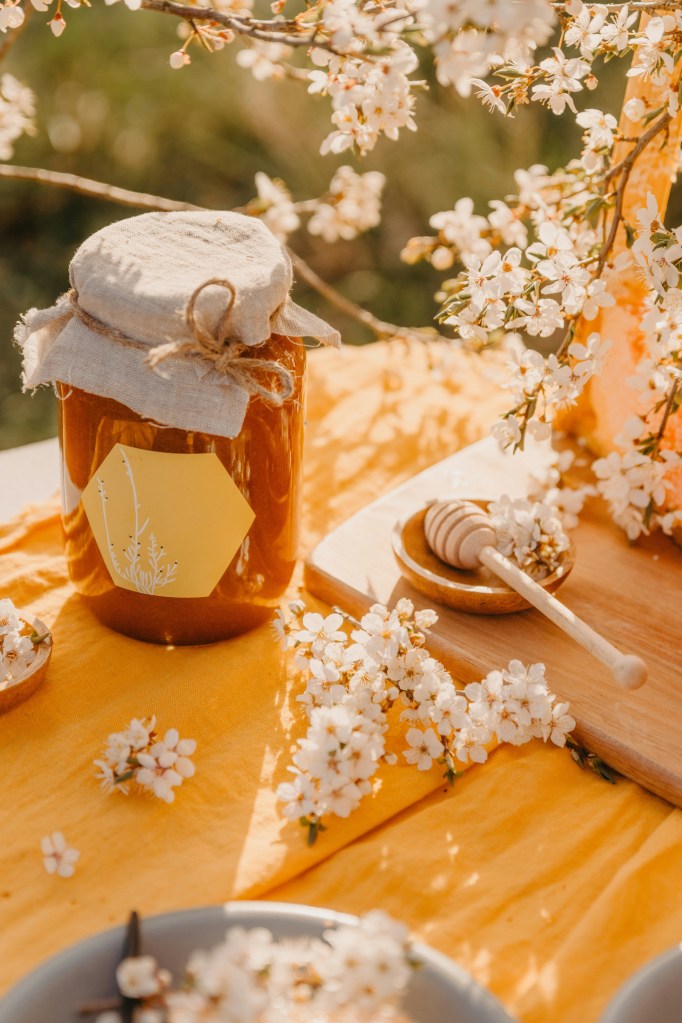
Eat your local honey
Honey has a long history as a natural remedy across many cultures, thanks to its anti-inflammatory and anti – allergic properties.
Honey contains various bioactive compounds, including flavonoids and phenolic acids which exhibit its anti-inflammatory effects. These compounds work by preventing inflammation in the body, which may help reduce many of the symptoms caused by an allergic reaction such as a stuffy or runny nose.
It’s important to mention that not all honey is created equal. Raw honey, which undergoes minimal processing and retains more of its natural compounds, is often favoured for its potential health benefits.
Where it’s sourced and how it’s processed may affect its therapeutic properties. There are many cheap honeys on the market which have been diluted and have even been tampered with by adding preservatives, cheaper sweeteners like corn syrup, rice syrup, or beet sugar. When purchasing your honey, try to source from health food stores and or farmers markets, here you will be assured to be purchasing the real deal sourced straight from the hive.
Honey’s composition can also vary depending on the types of plants visited by the bees, this is generally why a local honey to your area can benefit your seasonal allergies and offer the therapeutic advantages, due to ingesting the pollen from the plants which are causing your allergies to begin with.
There’s a belief that ingesting little quantities of local pollen during off-season months might prime the immune system to cope better during high-pollen months.
While honey is an amazing natural remedy, it’s important to note that honey may not be suitable for everyone. Children under the age of one should not consume honey due to the risk of botulism a rare but serious illness. And people with severe hay fever or asthma should speak with their GP before using honey, as some allergic reactions to bee products can be severe.
Spirulina
This little green superfood is fabulous for counteracting allergies ,it
has been used to treat allergies and improve symptoms of allergic rhinitis due to its inflammation decreasing properties.
The main component of spirulina is called phycocyanin, which is an antioxidant that also gives it its unique blue colour. Phycocyanin can help fight oxidative stress by blocking the production of molecules that promote inflammation and providing impressive antioxidant and anti-inflammatory effects.
Vitamin C
Vitamin C can have anti-allergy effects and can benefit allergic and immune-system-related conditions. This is because of the anti-inflammatory and antioxidant effects of vitamin C.
Increasing your intake of vitamin C through eating a variety of fruit and vegetables daily can naturally help lower histamine levels. Alternatively, a good quality vitamin C supplement is also very beneficial

Ginger
this amazing root has so many benefits, I could literally write a whole article on ginger alone, but when it comes to allergies its well known for slowing down and blocking histamine production which works in response to an allergy
How to prepare your ginger
A ginger shot is a quick and easy was to get a good dose of ginger quickly and on the go, you could make your own with your juicer or there are a few brands available on the market.
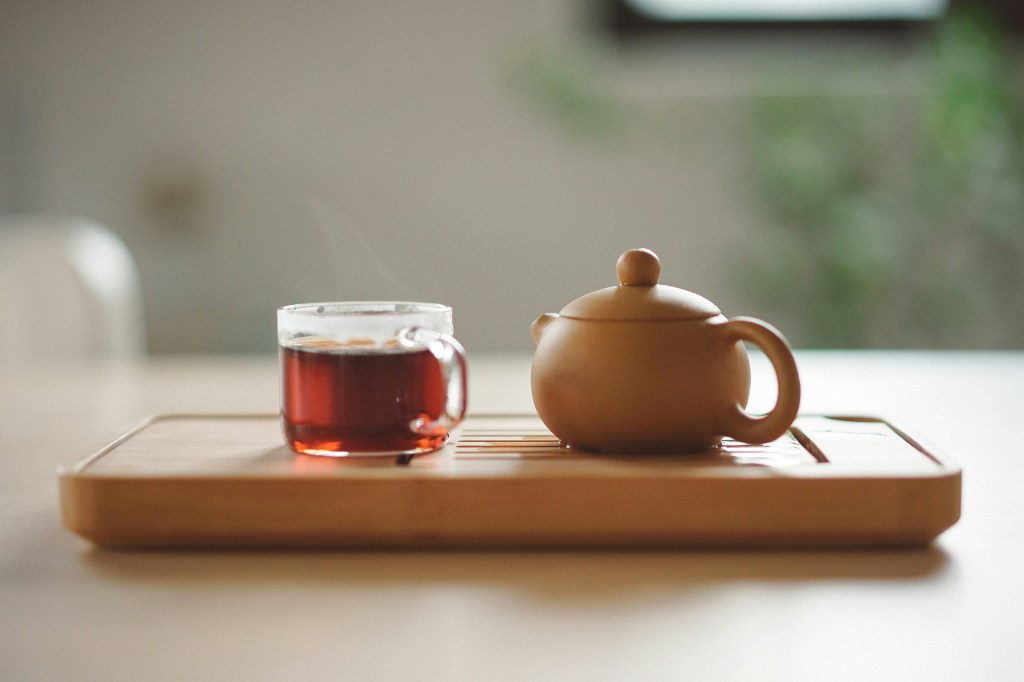
Making a tea, simply shave off a few small pieces and put it in a mug. Pour hot water over it and steep for 3-5 minutes, you could also add a squeeze of lemon, and a spoon of honey, as we know as the flu remedy, this is also a great hay fever tea too as you are covering several of the go too remedies all in one shot!
Add ginger to your cooking, and salad dressings
Quercetin-rich foods
Quercetin is a naturally occurring polyphenol flavonoid which is rich in antioxidants. It has anti-allergic functions that are known for inhibiting histamine production and pro-inflammatory mediators.
Quercetin is a natural antihistamine it is proven to reduce hay fever symptoms. This antioxidant flavonoid in found in many plants and foods such as apples, onions, garlic and berries, green tea, black tea, ginkgo biloba, broccoli, grapes
However, taking quercetin supplements may treat allergies better than eating foods containing it. This is because foods contain significantly lower levels of the flavonoid.
Quercetin is generally safe for most people. However, it may cause headaches and tingling in the arms and legs of some individuals. If a person takes very high doses, especially over the long term, it may cause kidney damage.
Quercetin supplements can be found in your health stores, chat to your practitioner if you have any questions in regards if you should be taking this supplement.
Garlic
Garlic is a powerful hay fever remedy it is “an excellent source of quercetin as well as vitamin C”. These are both powerful antioxidants and have been shown to have effective antihistamine effects.
As an antioxidant-rich prebiotic, garlic is incredibly nutritious. Not only does it soothe inflammation, it’s been shown to inhibit histamine release from mast cells, which may reduce the severity of your symptoms.
Add garlic into cooking and salad dressings. But to get its real benefits its best to be eaten raw or crushed, it is also recommended to eat it regularly before hay fever season starts, as this may help reduce symptoms. If the taste is too strong, garlic supplements are a good alternative.
Onions
The onion is especially high in quercetin, a natural antihistamine proven to reduce hay fever symptoms in sufferers. Onions are also full of antioxidants which are a great relief when it comes to seasonal allergies
Onions will retain their goodness either raw or sautéed at low to medium temperatures.
Herbal teas
- Nettle tea contains a natural antihistamine and can ease pollen allergy symptoms.
- Butterbur tea is often used to ease seasonal allergies, some say it is maybe just as effective as a over-the-counter antihistamine.
- Green tea may also help reduce hay fever symptoms, make sure to get a good quality, leaf tea
- Chamomile tea has many soothing properties and has also been known to assist with seasonal allergies.
berries
Berries (especially the dark varieties) are not only rich in antioxidants, but contain a load of vitamin C. Many varieties such as blueberries, cranberries and raspberries also contain the natural antihistamine quercetin – helping to keep symptoms at bay.
What foods to avoid for allergies
Alcohol
The biggest trigger for hay fever I see is alcohol. This is from a reaction to the sulphites and certain grains, which can wreak havoc on a person who is intolerant to the sulphites and or pesticides used in the process.
You could opt for cleaner alcohol options such as organic wines & beers along with clear spirits like gin & vodka as they go through a fairly clean distillation process.
Sugar
Avoiding sugar is important as it is a main contributor to inflammation. When we eat high amounts of sugar, it signals the body to produce these inflammatory molecules, which then travel throughout the body and cause inflammation. Allergies are a type of inflammation and can be worsened by sugar. Sugar is hidden in a lot of foods, so be carefully to examine food labels and make sure the sugar content is low or contains no sugar at all.
Histamine foods
There are actually a lot of histamine producing foods, which people are unaware of, the list includes:
- Processed meat and meat which has gone through a more thorough process such as mince and diced, as this has had more air contact, can create more bacteria which in return breaks down the amino acid histidine into histamine
- Cheese
- Alcohol
- Some types of chocolate are high in histamines. While I would not advise anyone to avoid antioxidant-rich, quality dark chocolate
- Some nuts, including peanuts
- Certain vegetables- tomatoes, eggplant & spinach
- Tropical fruits such as bananas, papaya & pineapple. Pineapple – this is a confusing one, many people do not realise that pineapple actually has a high level of histamine, so it should be avoided in patients with histamine issues. The confusing part is that It also contains an enzyme bromelain that can be helpful in breaking down inflammation associated with histamine – so, this is kind of a catch 22! Bromelain is best taken as a supplement to avoid the histamine from the pineapple. Strawberries – are known as a histamine liberator because they cause mast cells in the gastrointestinal tract to release histamine. This can exacerbate allergies. Strawberries are usually avoided in patients with histamine issues
Reduce and prevent your exposure to allergy triggers
- Limit your exposure to outside on dry, windy days. Avoid outdoor activity in the early morning when pollen counts are highest.
- Avoid lawn mowing, weed pulling and other gardening chores that stir up allergens.
- Remove clothes you’ve worn outside and shower to rinse pollen from your skin and hair.
- Don’t hang laundry outside — pollen can stick to sheets and towels.
- Dogs, man’s best friend is not always your friend. Just kidding, dogs are always your friend. But remember, dogs like to roll around in the grass. So always remember to wash your hands thoroughly after touching your companion, or else you’ll end up with all kinds of allergens right in your eye.
- Close doors and windows at night if possible or any other time when pollen counts are high.
- Maintain cleanliness: Regularly dust and use a vacuum that has a HEPA filter to eliminate allergens from carpets and floors, mop floors regularly.
- Wash bedding in hot water weekly to get rid of dust mites.
- Use allergy-resistant covers: Putting allergy-proof covers on pillows, mattresses, and box springs can diminish contact with dust mites and other allergens.
- Refrain from smoking and exposure to smoke: Smoke can exacerbate allergies and intensify symptoms, so avoid smoking and second-hand smoke exposure.
- Stay hydrated: Drinking adequate water supports mucus thinning and maintains moisture in the respiratory system, aiding your body in managing allergens more effectively.
- Use air conditioning in your house and car.
- Ensure to regularly maintain air conditioning in your house, check filters and follow maintenance schedules.
- Keep indoor air dry with a dehumidifier.
- Air purifiers equipped with HEPA filters can aid in clearing airborne allergens, lessening your indoor exposure.
Beneficial home remedies to help manage and alleviate allergy symptoms
- Saline nasal rinse: Rinsing your nasal passages with a saline (salt water) solution helps remove allergens and alleviate congestion. A neti pot or saline spray can be used for this purpose.
- Steam inhalation: Inhaling steam can help clear congestion and soothe nasal passages. Adding a few drops of eucalyptus or lavender oil to hot water can enhance the effect.
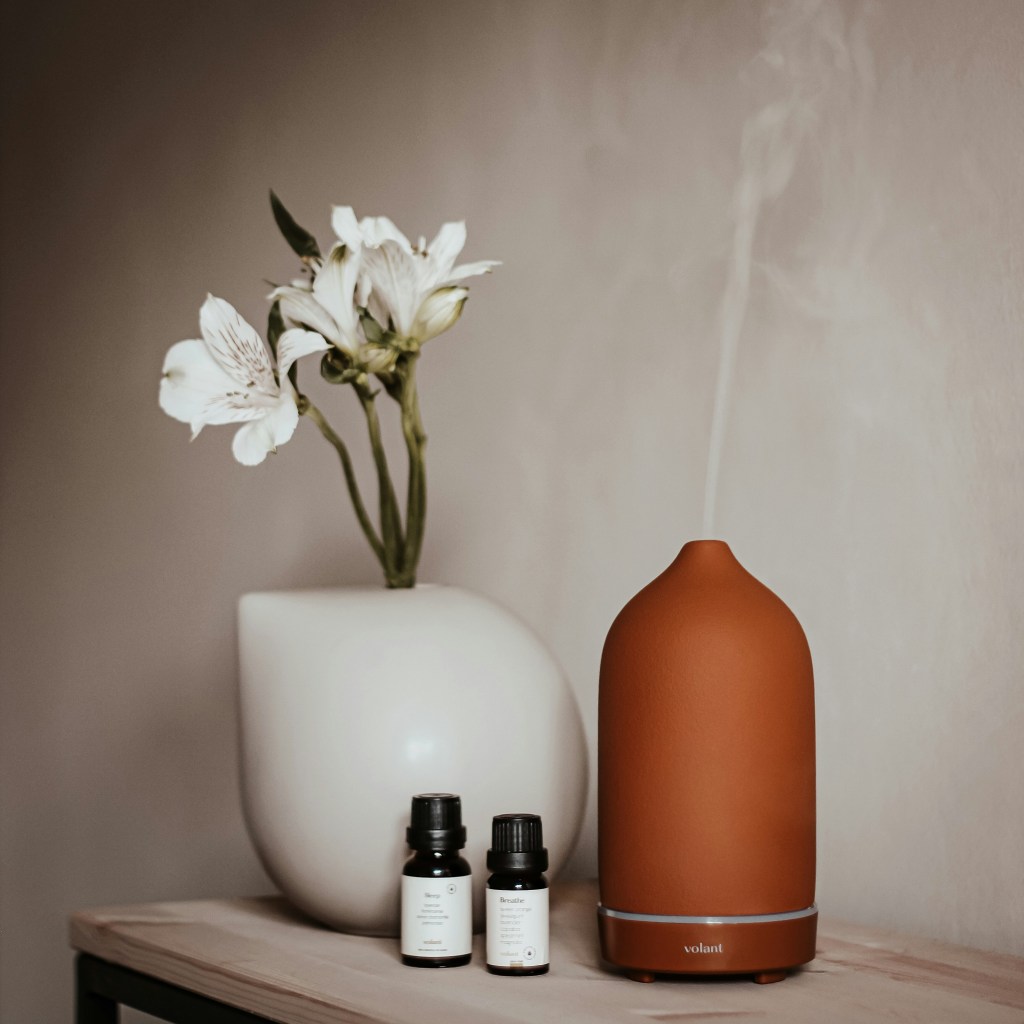
- Essential oils, like lavender, peppermint, and eucalyptus may help in alleviating allergy symptoms. You can use them in a diffuser or mix a few drops with a carrier oil for topical use (but avoid eye and mouth contact).
Try an over-the-counter remedy
Lastly, if all else fails there are several different types of over-the-counter medications which can help ease allergy symptoms. I certainly have found myself in the past reaching for these out of desperation, especially when nothing else eases the symptoms, hay fever can be incredibly annoying and irritating, particularly when everything you try fails. I just try to always start with natural remedies first as normally these antihistamines really dry me out and sometimes offer me a whole other dose of different symptoms.
When to seek a doctor’s appointment?
If your allergy symptoms continue, worsen, or disrupt daily activities despite using home remedies or over-the-counter medications, seek a doctor’s appointment.
Always seek urgent medical attention if you experience trouble breathing, chest pressure, or severe wheezing, as these may signal asthma or an allergic reaction.
Take away
Unfortunately, there is no one magic pill or no permanent hay fever cure, but there are plenty of natural remedies that can help you manage your symptoms, prior or during a flare up.
For many people, avoiding allergens and taking nonprescription medications is enough to ease symptoms. But if your seasonal allergies are still bothersome, don’t give up, there are a number of other treatments are available, either available over the counter at you health food store or chemist.
If you have bad seasonal allergies, your health care provider may recommend that you have skin tests or blood tests to find out exactly what allergens trigger your symptoms. Testing can help determine what steps you need to take to avoid your specific triggers and identify which treatments are likely to work best for you.
The entire contents of this website are based upon the opinion of the author, which has been researched through a variety of integrated health modalities.
The information on this website is not intended to replace the relationship with a qualified health care professional and is not intended as medical advice. The articles are intended as a sharing of knowledge and information from the research and experience which has come from a variety of health practitioners in their individual fields.
Kin daily, encourages you to make your own health care decisions based upon your personal health journey with the guidance of a qualified health care practitioner.

 dailykinhealth.com