
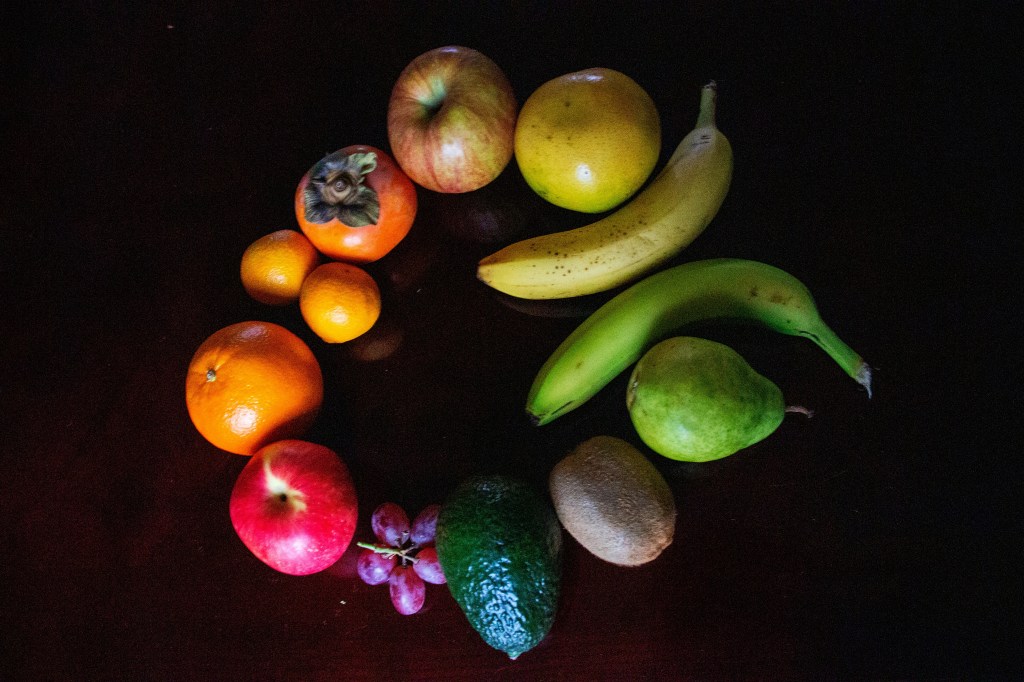
We are well and truly deep into the Australian spring, the weather is warm, spring flowers are in bloom and the pesky spring wind is blowing a gale, which unfortunately has its own problems, and the best part about spring is the new season produce which is available.
Look to be honest, I actually love the produce, which is available during every season, but I do get a little excited when spring is in the air especially as it means summer is just around the corner and I am an absolute sucker for summer fruit, but I won’t get ahead of myself, as today we are all about spring produce.
We have literally jumped out of our winter woollies and now it is time to start eating lighter, smaller meals compared to the heavy winter stews and more hearty meals we have just been devouring.
Australia is a very contrasted country, spread wide and far we have many different climates throughout the country, and within this, you will normally find different produce being grown in different regions normally due to a vast difference in temperatures during the year.
Where I am from in the Northern Rivers (Northern NSW), we have just come out of a very wet winter, which has turned the area into a flourishing, green wonderland full of a variety of new season produce. This area of Australia is known for its consistent rainfall, lush rainforest and volcanically rich soil, and yes, its diverse selection of fresh produce.
Very much in the season of spring, the farmers markets are bustling with an array of fruit and vege and locals excited to get in line to taste what the new season has to offer.
We all know there are benefits to buying seasonally and especially from your local farmer’s market it’s a great way to support the local economy & farmers who are providing us with exceptional quality foods which do not contain sprays or pesticide meaning it is not only good for you and your family, but better for the environment too and not to mention, it’s a great way to do your shopping and be part of the community.
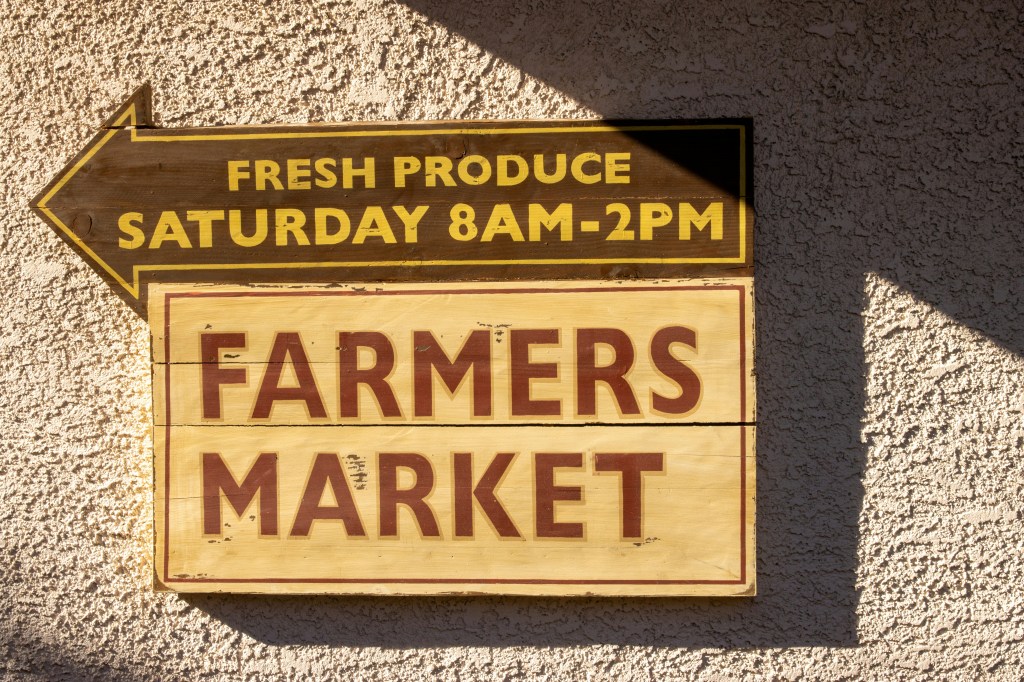
In season spring vegetables
- Beans
- Beetroot
- Boc choy
- Broccoli
- Cabbage
- Cauliflower
- Carrots
- Celery
- Chillies
- Corn
- Cucumbers
- Eggplant
- Leek
- Potatoes, pumpkin, sweet potatoes
- Shallots
- Snow peas & peas
- Tomatoes
- Turnips
- Zucchini
And when it comes to fruit it’s an abundance of
- Bananas
- Blueberries
- Grapefruit
- Nectarines
- Limes
- Watermelon
- Rockmelon
- Oranges
- Pineapple
- Strawberries

How to clean your produce
When buying from farmers markets and locally, you generally do not have to worry about chemicals sprayed on your produce, normally just a quick rinse under running water will clean your produce, but, if you have purchased your produce from a grocery store and are unawares if it has been sprayed with pesticides it is best to clean your fruit and vegetables prior to eating.
I suggest soaking your fruit and vegetables in a sterilised bucket or your kitchen sink, make a mixture of room temp water with either of the below options and allow to soak for 15-20 minutes before removing from solution and rinsing well in running, fresh water.
Either of the below mixtures will work:
- 3 cups water
- 2 table spoons bicarb soda
Or
- 3 cups water
- 1 cup white vinegar
If you are low on time, you can place produce in your solution for 30 seconds and give it a scrub under running water, it’s not as effective as soaking, however its better than nothing.
Spring to me speaks, light and easy throw together meals which are easy to digest and providing a good fuel source, think roast vegetable salads, grilled protein rich salads and frittatas.
I have become a bit of a meal prep person these days, mainly because life is busy and I try to make the most out of my cooking time, I generally like to cook food in abundance to make sure I have leftovers for lunch the next day, this not only stops me from binging on fast food, but I know I’m eating good seasonal produce all day long.
As the weather starts to warm up, I also love a good fruit salad topped with lime and passionfruit and maybe a sneaky little scoop of vanilla bean ice cream as a desert option. I am a huge fruit advocate, I know fruit has been given a hard time over the years due to its sugar content, despite the negative reviews it has had over the years, do not let these comments stop you from enjoying natures exquisite assortment of fruit.
Fruit is full of fibre, is a good energy source, a perfect on the go snack and full of sooooo many amazing nutrients.
If you are on a Strick calorie deficit and watching what you eat there are many great fruit options you can eat too, so don’t skip fruit out altogether.

Low carb fruit
- Berries
- Watermelon
- Rockmelon
- Grapefruit
- Papaya
- Pineapple
- Kiwi fruit
- Plums and peaches
What I’m cooking at the moment
A favourite quick and easy meal to cook is a frittata, this dish is full of protein and nutrient packed veggies which keeps me sustained and satiated for long periods of time.
Frittata recipes are one of my favourite go to meals, whether your plan your ingredients out or are throwing together whatever produce is left in the fridge, combined with local pasture raised eggs, lightly beaten and then baked in the oven until perfectly fluffy, you can’t go wrong and I am never disappointed.
Always a healthy and nutritious meal which will satisfy even the fussiest of eaters. My frittata is generally a veggie-heavy offering which can be made any time of the year.

Spring frittata versions can vary anywhere from my below combinations, to what ever flavours you prefer
- Roast beetroot, baby spinach or beet greens, rosemary, red onion and goat’s cheese
- Leeks, zucchini, asparagus, and fresh herbs.
- Mushroom, zucchini, thyme, garlic, onion and fetta
- Asparagus, dill, smoked salmon, red onion, capers, kalamata olives, baby spinach and goat’s cheese
Roast beetroot frittata
Prep time 10mins + 30 minutes to cook beets
Cook time 20 mins
Serves 4 -6
ingredients
- 3 x medium beets / peeled / cubed and roasted
- 2 tablespoons olive oil
- 8 large eggs
- 1 cup beet green (these are the tops of the beetroots), roughly chopped
- Bunch of green beans, trimmed
- 1 small red onion finely diced
- 1 sprig of fresh rosemary chopped finely + 1 x sprig for garnish
- Zest of 1/4 of a lemon
- Salt and pepper, to taste
- 60g goat cheese, or feta cheese
- Bunch of water cress for garnish
method
- Preheat the oven to 400F/200C.
- Roast peeled and diced beetroots with chopped rosemary for 30 mins until ten der, but not too soft
- Heat the oil in a 10-inch or 25 cm oven-safe skillet over medium heat. Add beet greens, green beans and onion and sauté for 3-4 minutes.
- Add cooked beets, sauté for 1 minute.
- Remove 1/3 of the vegetables, place aside in a bowl. Spread the ingredients in the pan out evenly
- In a large bowl, whisk the eggs, lemon zest, salt and pepper. Pour the eggs over the the vegetables in the pan. Cook on the stove for 2-3 minutes on a low heat.
- Add the remaining vegetables on top, then dollop with the goat cheese.
- Transfer to the oven and cook for 15-20 minutes, or until the eggs are set
Can be served hot or cold, I love to garnish the top with additional herbs and watercress before serving.
Frittatas are the perfect dish to serve on the table for a family style meal, BBQ, picnics, breakfast, or to be prepped up as work and school lunch options. I love to add freshly cut herbs and or rocket on top of my cooked frittata, especially if I am serving the whole dish on the table, just to finish it off.
Leftover frittata will keep in the fridge for 2-3 days, but I doubt it will last that long!
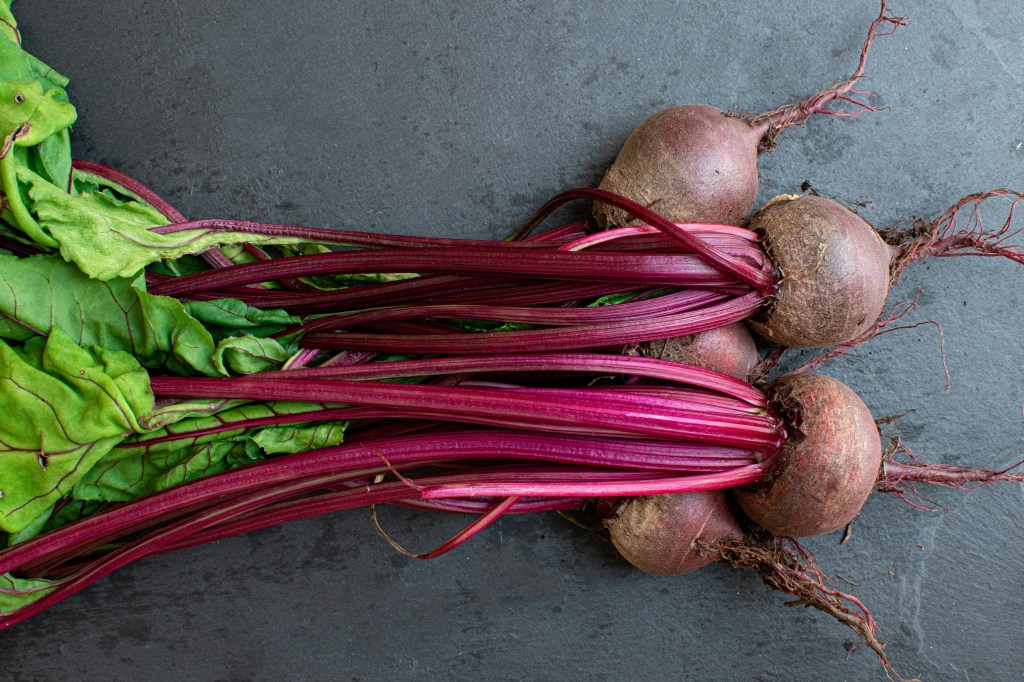
Nutritional value
Kcal
- Approx 1282 kcal
- Based off whole frittata – divide per portion for individual calculations
Protein: 66g Fat: 94g Carbs: 33g
High in
- Vitamin C
- B12
- Vitamin A
- Folate
- Magnesium
- Phosphorus
- Selenium
- Fibre
- Protein
The entire contents of this website are based upon the opinion of the author, which has been researched through a variety of integrated health modalities.
The information on this website is not intended to replace the relationship with a qualified health care professional and is not intended as medical advice. The articles are intended as a sharing of knowledge and information from the research and experience which has come from a variety of health practitioners in their individual fields.
Kin daily, encourages you to make your own health care decisions based upon your personal health journey with the guidance of a qualified health care practitioner.

 dailykinhealth.com