

Electrolyte 101
Hydration – the 1st thing that comes to most of us, when thinking hydration is … drinking water, and to be precise, 8 glasses of water a day. However, hydration is more than just drinking all of your daily water intake, instead hydration is more about balancing out your body’s electrolytes. Electrolyte balancing is especially important if you are on a restricted diet, are ill, training and playing a lot of sport or you live in a very hot and humid region where you sweat a lot.
These days there is a wide range of electrolyte options on the market, these range from your traditional sports drinks, which you will find in your local grocery store beverage section to the more sophisticated & scientifically formulated powders which you would blend yourself with water, these are mainly found in health food stores or even your local gym. All of which are designed to provide easy-to-digest carbohydrates to help fuel athletes for longer-duration exercises, while also helping to replace electrolytes “minerals” that are lost in sweat.
Sports drinks are generally made to a specific concentration to provide a balance of carbohydrates for fuel and a mix of sodium and other electrolyte minerals to maintain hydration levels. This is so you can digest them as easily and quickly as possible.
What are electrolytes?
Electrolytes are minerals that your body needs to function. They’re called electrolytes because they carry an electric charge. Our nervous system runs on the electricity generated by these molecules, called ions.
Nearly every function in the body that is dependent upon our nervous system (muscle movement, breathing, digestion, thinking) requires electrolytes, and the body places a priority on managing them.
Your body makes some electrolytes, and the rest you get from food. You need certain amounts of electrolytes each day for good health and balancing your electrolytes, this is where a balanced diet of whole foods and some electrolyte supplementation is important.
What Do Electrolytes Do?
Electrolytes have many important jobs in your body, each electrolyte plays a different role.
Some of the common electrolytes found in the body are:
Sodium
- Balances fluid levels inside and outside cells
- Helps your muscles contract
- Regulates blood pressure
- Helps send nerve signals
Potassium
- Helps move nutrients into your cells
- Helps your nerves and muscle’s function
- Supports your metabolism
Calcium
- Builds and strengthens your bones and teeth
- Aids stable blood pressure
- Helps muscles contract and sends nerve signals
- Normal functioning of many enzymes
- Aids in blood clotting
- Normal heart rhythm
Magnesium
- Aids muscle and nerve function
- Strengthens your bones and teeth
Phosphorous
- Builds and strengthens your bones and teeth
- Aids nerve and muscle function
Chloride
- Balances fluids inside and outside cells
- Regulates blood pressure

What Happens When Your Body Is Low on Electrolytes?
Not getting enough electrolytes can have negative effects that range from mild to severe, depending on what nutrient you’re low on.
Here are a few of the electrolyte deficiency symptoms to be aware of and which mineral it is typically associated with:
Sodium
- Dehydration
- Muscle cramps
- Fatigue
- Confusion
- Seizures
- Coma – as a fatal result
Potassium
- Constipation
- Irregular heartbeat
- Fatigue
- Muscle weakness or spasms
- Numbness or tingling
Magnesium
- Unusual eye movements
- Fatigue
- Convulsions
- Muscle spasms, cramps, and weakness
- Numbness
Calcium
- Muscle cramps
- Dry skin
- Nails that break easily
- Memory problems
- Confusion
- Depression
Phosphorous
- Low appetite
- Anxiety
- Joint stiffness
- Weakness
- Bone pain and weakness
- Breathing problems
What Are Electrolyte Drinks?
Electrolyte drinks obviously contain electrolytes, when most people think about these drinks they naturally connect them to sport, and sometimes to be used for hydrating after illness, and yes this is the purpose of an electrolyte, but they are actually designed for a very specific reason and they are to replace the loss of electrolytes into your body. This group of micronutrients are important as the body relies on these for several important functions, including maintaining muscle and nerve health, as well as regulating fluid and acid-base balance.
There are many electrolyte drinks available on the market, these have been directly marketed towards the fitness and sports industry, such as a post work out training beverage, and for very good reasons. Electrolytes are indeed very effective in regulating your body’s fluid balance, especially during and after exercise or illness, and if you’re on a strict low-carb eating plan.
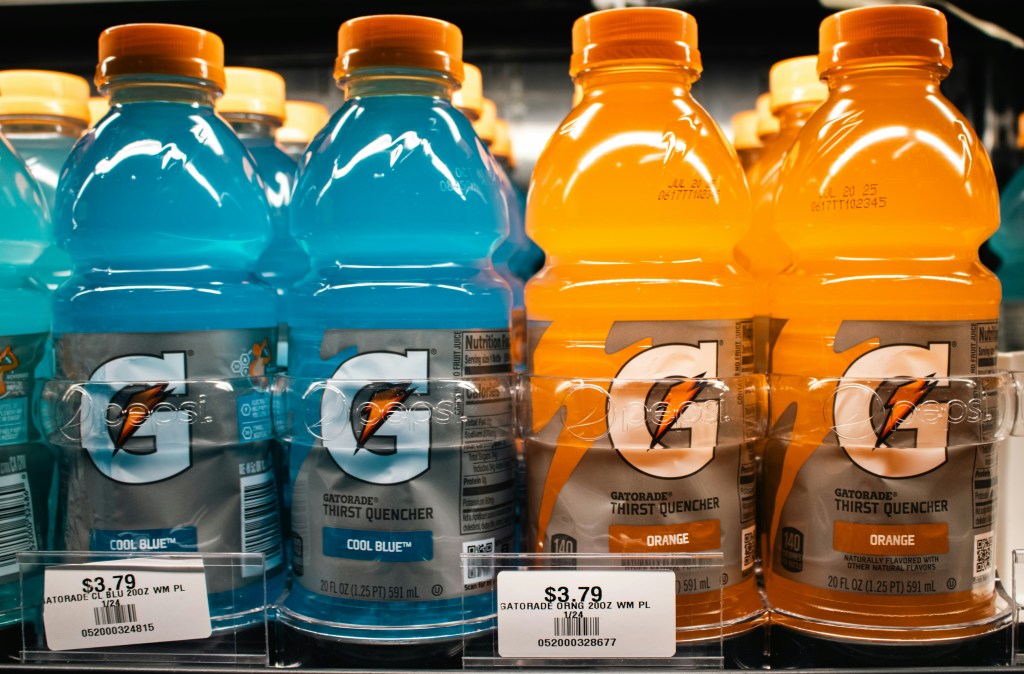
These drinks can be found in various forms and formulations, including powdered varieties, ready-to-drink beverages, dissolvable tablets, and concentrated drops. The majority of the sports drink brands are 2 notably familiar brands which started off by literally saturating the sports drink industry, and attracting buyers with their bright and colourful contents. However over the last few years there have been a few very good alternatives which have popped up, giving these sugar drenched, colour added drinks a run for their money.
Generally, sodium, magnesium, and potassium are the three main electrolytes to look for in an electrolyte drink, adding sodium is the most abundant electrolyte, as it is lost through sweating.
Who Should Use Electrolyte Drinks?
A variety of factors can impact the levels of electrolytes in your body, most notably exercise and other physical activity.
- Sweat losses contribute significantly to a reduction in electrolyte levels, individuals with high sweat rates or those who exercise frequently should pay particular attention to replenishing their electrolytes.
- People who drink a lot of alcohol, or even when you may have had a few too many alcoholic drinks. alcohol dehydrates the body, taking an electrolyte is a quick and efficient way to hydrate again.
- The keto diet is based on a very low-carb, high-fat diet that forces the body to burn fat instead of glucose. While there are benefits to following this kind of diet, there are also some potential pitfalls. One risk comes from not getting enough electrolytes like sodium, potassium, calcium, and magnesium, all of which are most commonly found in fruits and vegetables (which are restricted on this diet plan).
- Low carb diets, insulin levels fall, and with that, the kidneys retain less sodium. As you excrete water, important minerals – the electrolytes calcium, sodium, magnesium, chloride, and potassium, are also excreted from your system. So, it’s key to replenish them in order to avoid negative symptoms such as dehydration.
- During and after illness, especially any illness where you are using excess fluids such as vomiting and diarrhoea and fevers which cause excess sweating
- Post training and work out – to replenish your minerals back into your body, after excessive sweating.

Foods and Drinks Which include Electrolytes
Eating a balanced diet will supply your body with plenty of minerals for your electrolyte needs if you’re getting a moderate amount of exercise. Fruits and vegetables are natural and one of the best sources of electrolytes, including:
Potassium
- Bananas
- Beet greens
- Salmon
- White beans
- Kidney beans
- Lentils
- Avocado
- Cucumber
- Potatoes
- Milk
- Mushrooms
- Sweet potato
- Dried apricots
Sodium
- Pickles
- Clams
- Table salt & good quality salt
- Cheese
- Dry-roasted sunflower seeds
Magnesium
- Leafy greens such as spinach, kale & collard greens
- Sweet potato
- Pumpkin seeds
- Lima beans
- Tuna
- Brown rice
- Almonds
- Cashews
- Cucumber
Phosphorous
- Yellowfin tuna
- Tofu, milk
- Chicken
- Scallops
- Zucchini
- Pumpkin seeds
- Quinoa
- Sweet potato
- Lentils
- Legumes
Calcium
- Collard greens, kale, and spinach
- Milk
- Cheese
- Tofu
- Greek yogurt
- Okra
- Acorn squash,

Two tablespoons of lemon juice contain almost exactly the amount of potassium in “a cup” of a typical sports drink.
A pinch of salt supplies 110 milligrams of sodium, the same amount in a cup of sports drink.
Make your own electrolytes
Most of the packaged “sports drinks” not only contain electrolytes but they also are full of loads of sugar and preservatives.
There is a scientific reason behind why many of these drinks contain sugar – a quick shot of sugar provides helpful glucose for replenishing energy stores, however these drinks will also be beneficial without the additives and sugar.
Most people benefit from having small amounts of carbohydrates (sugar) during heavy exercise. However, if you prefer to avoid sugar, you might want a sugar-free beverage to replace fluids and electrolytes.
When making your own electrolyte, I would recommend using good quality ingredients such as organic fruit, filtered water and good quality salt such as Celtic Sea salt.
Sugar-Free Sports Drink Recipe
Ingredients
- 1 cup water
- 2 tablespoons lemon juice
- 1/4 tsp Celtic Sea salt
Directions
Mix together in a drink bottle or glass
Lemon-pomegranate electrolyte
Ingredients
- 1/4 tsp Celtic Sea salt
- 1/4 cup pomegranate juice
- 1/4 cup lemon juice
- 1 1/2 cups unsweetened coconut water
- 2 cups cold water
- Additional options: honey (you will need to dissolve in warm water), powdered magnesium depending on needs
Directions
Put all ingredients in a bottle and shake well, chill, and serve!
Strawberry, Watermelon, cucumber & Lime Electrolyte Water
Ingredients
- 1/2 cup fresh lime juice
- 1/4 tsp Celtic Sea salt
- 1 1/2 cups water
- 1 cup watermelon
- 1/2 cup strawberries
- 1 medium cucumber
- 2 T. honey
Directions
Place all of the above ingredients in a blender and blend until the honey has dissolved. Serve with ice.

Regular Sports Drink Ingredients
As in all processed and packaged foods, I recommend reading the “Nutrition Facts” label. Many electrolyte products are marketed as dietary supplements and receive only minimal oversight when it comes to authority approval, so do your own research and make up your own mind about what you want to consume.
Here’s what goes into most sports drinks, and how to adapt these ingredients for a low-carb diet.
- Water – Of course, a major ingredient in sports drinks is water. The goal is to hydrate you.
- Sugar – Sports drinks have a lot of sugar, but interestingly they have only about half the sugar of most other commercial beverages. Sports drinks have less sugar to prevent athletes from gastrointestinal cramping during exercise.
- Additives, Vitamins, and Caffeine- Many products contain sweeteners, like stevia and monk fruit, flavourings, and colourings, and some may also include additional vitamins and minerals, as well as stimulants like caffeine.
Takeaways
Electrolytes are important minerals that your body makes a small amount of and that you get from certain food groups.
Electrolytes are particularly important to consume when you are exerting yourself through physical activity, sweating excessively, on low carb diets and during illnesses related to loss of bodily fluids.
Electrolytes protect the health of your heart, nerves, and muscles and build strong bones and teeth, among other things.
How can you increase your electrolytes? – You can most likely get all the electrolytes you need through a daily diet that includes a variety of fresh fruit and vegetables, lean meats, beans, whole grains, nuts, and seeds.
Electrolyte supplementation is also an option, these come in different varieties, and it is best to do your research and find an electrolyte which works best for your needs and one which does not contain too many additives and colours.
The entire contents of this website are based upon the opinion of the author, which has been researched through a variety of integrated health modalities.
The information on this website is not intended to replace the relationship with a qualified health care professional and is not intended as medical advice. The articles are intended as a sharing of knowledge and information from the research and experience which has come from a variety of health practitioners in their individual fields.
Kin daily, encourages you to make your own health care decisions based upon your personal health journey with the guidance of a qualified health care practitioner.

 dailykinhealth.com