
Nutrition has always been important to me, but it hasn’t always been my first job,
I’ve been working in women’s fashion for some time now and it amazes me every day the comments women make in regard to their own bodies especially in women as they hit middle age and start hitting perimenopause or menopause. Generally, woman are concerned about weight gain, yet I do also see a lot of women who are struggling with gaining weight and muscle, while trying to maintaining a consistent health weight for themselves.
Most woman have likely had some sort of weight fluctuations throughout their lives, this can occur during many different phases of life and can be triggered from many lifestyle factors, including hormonal imbalances, pregnancy, illness, during periods of stress and off course later in life when we start to hit our transitions into peri and menopause, during these times we don’t recognise ourselves any more, we are unsure as to what’s happening in our body and are embarrassed about the changes in our bodies and appearance, we can sometimes feel embarrassed because we can no longer recognise ourselves and the person we identified with for so many years, we may feel the need to explain why our size has changed to our family and sometimes to strangers, this has been my experience with working in woman’s fashion any way.
The Big “M”
Menopause
The woman I have come across over the years working in fashion, I don’t know these women, I don’t know what they looked like previously but I do know that they are still very beautiful they may be a little bit more voluptuous then what they are used to, but each of us has our own key look and there’s certain parts of our body that we should be proud of, yes, I know this is easier to say, especially as an outsider, and I am not saying that we cannot feel all the feels about our emotions, I openly listen to how these women feel and I understand the frustration and confusion they are going through.
I don’t think there is any woman out there which has not struggled internally about her looks in one way or another, our society has created this obsession about looks, an obsession about what we think is the right body shape, and who set this bar and why are we allowing this to be?
Let’s empower each other, lift every woman up to be the best version of herself, I want her to see the beautiful parts of her body, from her great legs, her bootylicious, that tiny waist she was naturally born with, those fabulous arms, her amazing natural bust, all the way to how great a colour works on her complexion. As women we can see each other’s beauty, yet it is very hard for us to recognise our own beauty and not just look at our so-called flaws, which are actually oblivious to the bystander.
When our bodies change size, it can almost feel like we have no control over what is happening, we automatically think, diet, ok stop eating carbs, cut out sugar, eat more salad…. But is this really what our bodies need at this time in our lives? Sure, cutting out unhealth meals and replacing them with healthier options is a great place to start, however when a woman does start hitting the dreaded BIG M word (menopause), everything that you have tried and tested previously just doesn’t seem to work for you.
The health industry is brutal, it is judgmental, it is unkind, it has been the cause to binge dieting, unhealthy fad diets, unrealistic lifestyles and until recently, it has been too afraid to talk about anything menopause related…

We have been taught to compare ourselves to other woman and worst but not least to compare ourselves to previous versions of ourselves.
You are not going to have the same body when you are 50 as you did when you were 25, you are not going to have the same energy as you did at 25 and you certainly will not have the same skin and elasticity as you age. But this doesn’t mean that you have no options, and to give up, its more about educating yourself about what your body requires of you at each decade of your life and how to make the most out of where you are in life now!
Maintaining a health regular lifestyle can be challenging enough even when you’re in your prime, yet when you get thrown that curve ball of hormonal dysregulation it can all just seems too much, where do you start?
During any phase of your life when you feel you are going through changes and particularly with your body starts to hit menopause is a great time to speak with your health practitioner, to assess your overall health and see if there are any changes you could make to improve your health and lifestyle.
No matter what age you are at, a healthy diet is always one of the most critical factors in women achieving optimal health.
However, as a woman enters her forties and fifties, a healthy diet becomes even more crucial as it can help counter the perimenopause and menopause symptoms.
What happens to your body during menopause?
During the menopausal transition, the body’s production of estrogen and progesterone, two hormones made by the ovaries, declines greatly. Changes in these hormones are generally related to the symptoms that some women experience during this time.
Symptoms related to menopause can last for between two and eight years, though the timing and symptoms vary greatly between women. These factors are likely influenced by a woman’s genetics as well as external factors, such as race and ethnicity, culture, lifestyle, and environment.
In addition, during the menopausal transition, the body begins to use energy differently. The distribution of fat in the body changes, and women may gain weight more easily. They may also experience changes in their bone density, heart health, body shape and composition, or physical function.
While the menopausal transition may commonly be referred to as “menopause,” or peri-menopause, true menopause can’t be confirmed until one year after a woman’s final menstrual period.
After menopause, women are more vulnerable to certain health conditions, including heart disease, stroke and osteoporosis. That’s why, during this time in your life, it is important to continue to eat a healthy, balanced diet, move your body and ensure to get all the correct nutrients, including vitamin D and calcium to support bone health.

What’s the best way to prevent menopause weight gain?
There’s no magic formula for preventing, or reversing menopause weight gain, however there are some basic diet and health related tips which can help.
eat smart
A large part of keeping your weight in check will depend on your eating patterns. The amount of calories you could safely eat when you were in your 20s, 30s, and even your 40s won’t be the same during and after menopause. Losing weight might mean taking in even fewer calories, or better, replacing poor quality calories with more nutrient dense foods.
When you’re planning meals, you’ll want to focus on the quality of the foods you eat. Choose foods which nourish your body while avoiding calorie poor foods such as saturated fats, processed foods, high sugar and high sodium foods.
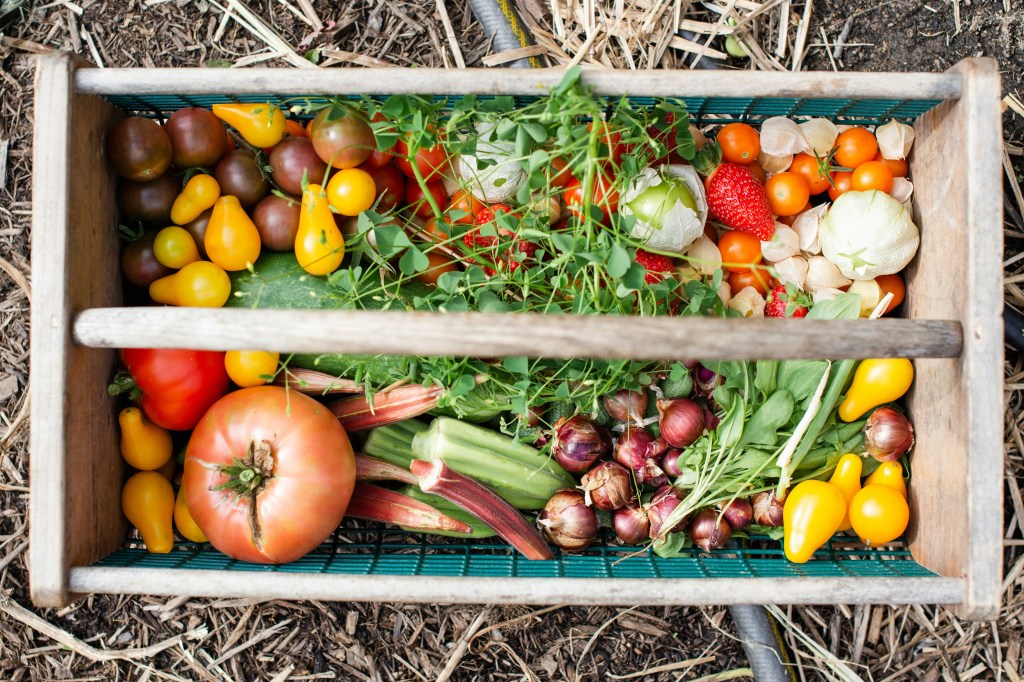
Foods to include in your menopausal diet:
- All vegetables including leafy greens
- Fruit, you may want to focus on low carb fruit such as berries, rockmelon, peaches, kiwi, apples
- Omega-3-rich foods
- Pasture raised eggs
- Lean protein sources
- Antioxidant rich fruits and vegetables
- Whole grains
- High fibre foods
- Good quality protein powders
- Green super foods
Women’s need for calcium and vitamin D to help prevent osteoporosis and keep bones strong increases with age, these 2 nutrients may also help with weight management, possibly stimulating the breakdown of fat cells and suppressing the development of new ones.
Limit alcohol
Alcoholic beverages add extra calories to your diet and raise the risk of gaining weight.
Move more
Physical activity may help you lose extra kilos and stay at a healthy weight. Cardio is great for your heart and shouldn’t be ignored, while strength training is just as important for women as they get older. Bodyweight exercises like push ups and weightlifting help you fight back against muscle and bone loss. As you gain muscle, your body burns calories better, which makes it easier to control your weight.
Find something you enjoy and that works for you. It doesn’t have to be a hardcore workout to be effective. You just need to do something consistently that works and challenges your body. Activities that you enjoy doing can help you get exercise, including gardening, yoga, walking, swimming and bike riding. There are lots of new fitness apps that can show you exercises and help you track progress.
What causes menopause weight gain
During menopause your hormone levels are constantly changing and tend to make it more likely that women will gain weight differently, for example, extra weight that may have settled on your hips, butt, and thighs may now settle around your waistline.
Muscle mass typically goes down with age, while fat increases. Losing muscle mass slows the rate at which the body metabolises calories. This process can make it more difficult to stay at a healthy weight. If you continue to eat as you always have and don’t do more physical activity, you’re likely to gain weight and find it harder to lose weight.
Surprisingly, menopause alone doesn’t trigger weight gain. The aging process, your lifestyle habits, and your genetics also play a big role.

risks of weight gain
Menopause weight gain can have serious effects on your health. Extra weight, especially around your midsection, increases your risk of many health issues, including:
- Breathing problems
- Heart and blood vessel disease
- Type 2 diabetes
Extra weight also raises your risk of some kinds of cancer, including breast, colon and endometrial cancer.
Alternative health treatments – Herbs and Supplements for Menopause
1. black cohosh
Can be taken to help relieve symptoms of night sweats and hot flushes associated with menopause.
2. red clover
Is a rich source of isoflavones. These compounds function similarly to the hormone estrogen and may help alleviate symptoms associated with the decline in estrogen production that occurs with menopause.
3. evening primrose oil
Evening primrose oil (EPO) may decrease the frequency and severity of night sweats.
4. maca
Maca may have an effect on memory impairment, depression, and bone structure in menopausal women.
5. flaxseed
These plant compounds have chemical structures and function similar to those of the hormone estrogen.
Flax is sometimes used to alleviate menopause symptoms like hot flashes and bone loss due to its supposed estrogen-like activity.
6. ginseng
Several types of ginseng exist, but Korean red ginseng is most frequently studied in relation to menopause. May improve menopausal symptoms and quality of life.
7. valerian
Is used to treat menopause symptoms like insomnia and hot flashes.
8. Anna’s Wild Yam Cream
Is a natural topical cream containing Wild Yam and Chaste Tree. These herbs are traditionally used in Western Herbal Medicine to relieve menstrual pain and spasms and help reduce occurrence of menopausal symptoms. Suitable for menstruating women, those experiencing perimenopause, menopause and post-menopausal women.

Primary healthcare options
Does hormone therapy help to lessen weight gain?
Hormone therapy usually is used to help with hot flashes that affect quality of life. This treatment also may help redistribute the visceral fat that accumulates around the abdomen. Hormone therapy may help you manage your weight by improving sleep, which can lead to healthier lifestyle changes.
Remember, gaining weight during menopause is common. I know this is not exactly what you want to hear, however, embracing the changes to your body that come with menopause can help your mental health, which in the long run can reduce stress and assist with weight changes.
The good news is that making healthy lifestyle choices can help you to achieve and/or maintain a healthy weight and improve your future health.
Menopause is a temporary lifestyle adjustment, every woman’s journey is different.
Menopause describes the stage of a woman’s life when her menstrual periods stop permanently, and she can no longer get pregnant.
Menopause symptoms
Most women begin the menopausal transition between ages 45 and 55, symptoms can last from a few years to a decade.
Some women have no or mild menopausal symptoms and may even feel relieved when they no longer need to worry about periods or getting pregnant.
For other women, the menopausal transition can be challenging to say the least and can bring on various symptoms
Including :
- Change in period (menstrual cycle)
- Hot flashes
- Trouble sleeping
- Night sweats
- Joint and muscle discomfort
- Moodiness and irritability
- Pain during sex
- Forgetfulness
- Loss in bladder control
- Changes in vaginal health
- Difficultly concentrating
- Or a combination of these
My best advice for any woman going through the transition into menopause would be to talk to your health practitioner about your lifestyle changes, your options for natural treatments and medications that might help.
Managing menopause, what’s right for me?
Deciding how to treat symptoms related to menopause can be complicated and personal.
Many women may find that they do not need treatment for their menopause symptoms. While other women may need to get the advice of their health practitioner to work out a plan to treat symptoms. Options may include lifestyle changes, nonhormonal medications, and hormones.
To determine the approach that’s right for you, discuss your symptoms, family and medical history, and preferences with your doctor. And remember, you can change your treatment plan if something is not working for you.
Seek support
Find a good health practitioner – specifically someone who works in this field, surround yourself with friends and loved ones who support your efforts to treat your symptoms, including lifestyle changes that you want to change, includoing eating a healthy diet and increase your physical activity.

final word
A woman should not have to feel self-conscious of her body, you should be proud of your body and accentuate those amazing parts of yourself. We mature from young girls into fascinating woman, we give life to children, we change hormonally each week, and we all do this with such beautiful grace.
I have not yet hit menopause, I’m sure it’s not far away…. However, I certainly am one of those women who too looks at herself in the mirror and can only see the parts of herself which she wishes she could banish, I am the woman whose weight has fluctuated her whole life, not dramatically but enough, where I have gone in between sizes over the years and my wardrobe is full of different size clothing depending on where I’m sitting on the scale season by season.
I understand the frustrations of maintaining a consistent body size, and to be really honest even maintaining a certain size still isn’t enough anymore, especially as I am now in my mid 40’s, my muscle tone is harder to maintain, my elasticity is nowhere near what I wish is was, and it all just seems so much harder now to keep my body looking and feeling how I want it to be, I know change is hard to embrace, but a healthy lifestyle is so important for the next phase of our woman hood, we have so much more information available to us these days in regards to these changes we are facing, together we can support each other and strive for more ease in our transition.
Good luck in your journey!
X
The entire contents of this website are based upon the opinion of the author, which has been researched through a variety of integrated health modalities.
The information on this website is not intended to replace the relationship with a qualified health care professional and is not intended as medical advice. The articles are intended as a sharing of knowledge and information from the research and experience which has come from a variety of health practitioners in their individual fields.
Kin daily, encourages you to make your own health care decisions based upon your personal health journey with the guidance of a qualified health care practitioner.

 dailykinhealth.com