Spirulina is another of the commonly used and now, named super foods which is widely available in the supplement industry.
Spirulina is no new kid on the block, it was 1st used by the Mexican Aztecs, who consumed it as a food source along for its medicinal benefits. Today, spirulina is more commonly used for its holistic health benefits and its frequently recognised as a nutritional powerhouse.
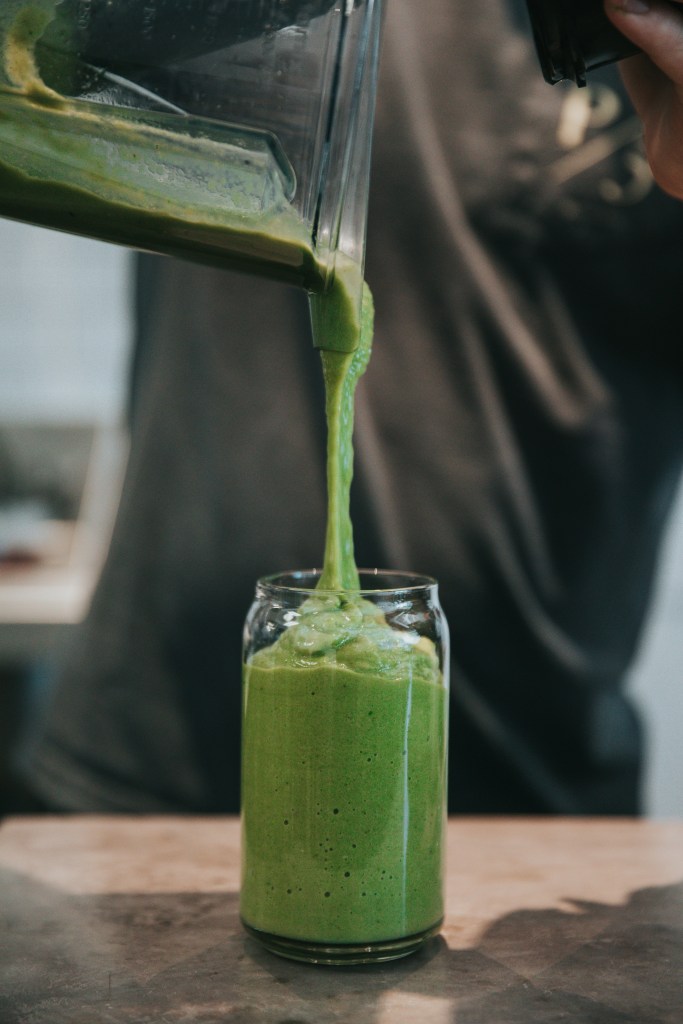
In our household growing up, it was certainly part of our diet, I remember my mother giving it to me as a child, mixed with pineapple juice or blended into a smoothie to hide its green flavour from me, over the years I actually became fond of its flavour and still to this day, spirulina is a part of my daily supplement routine.
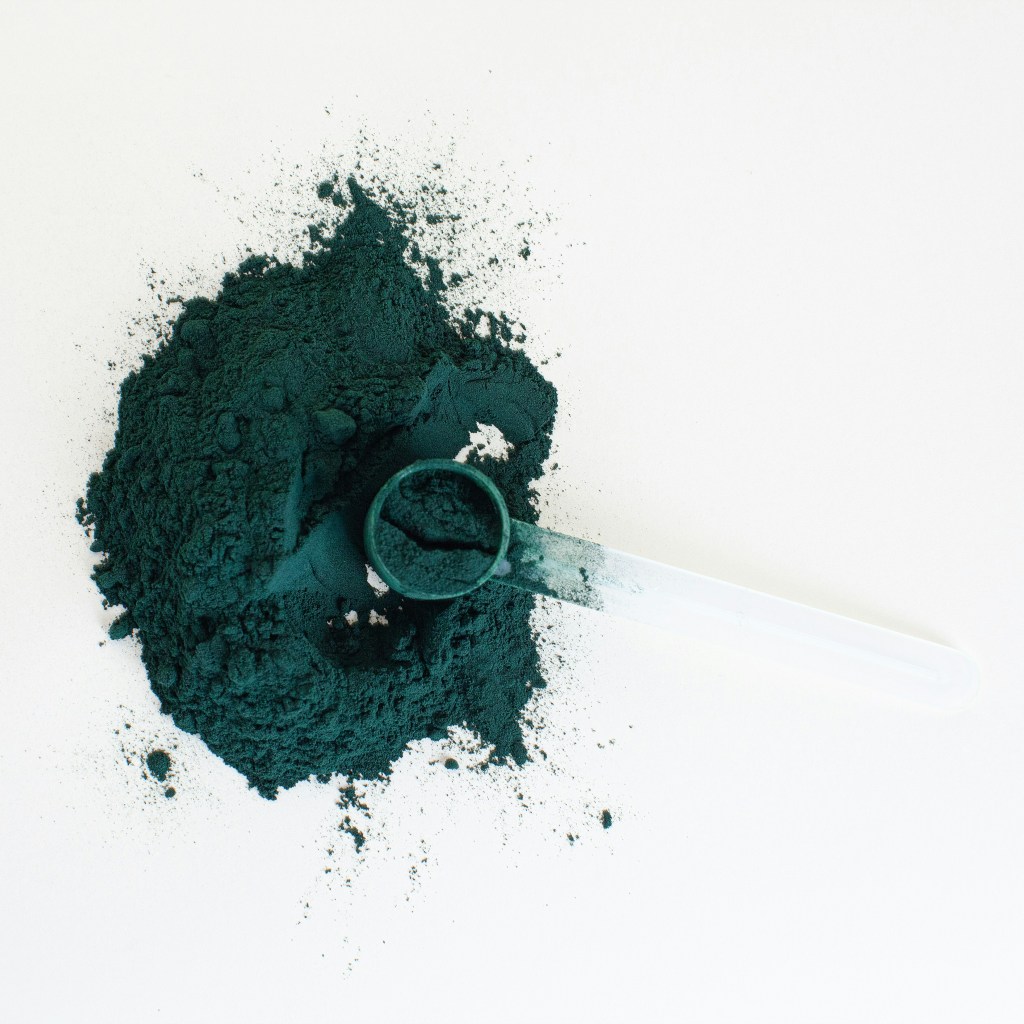
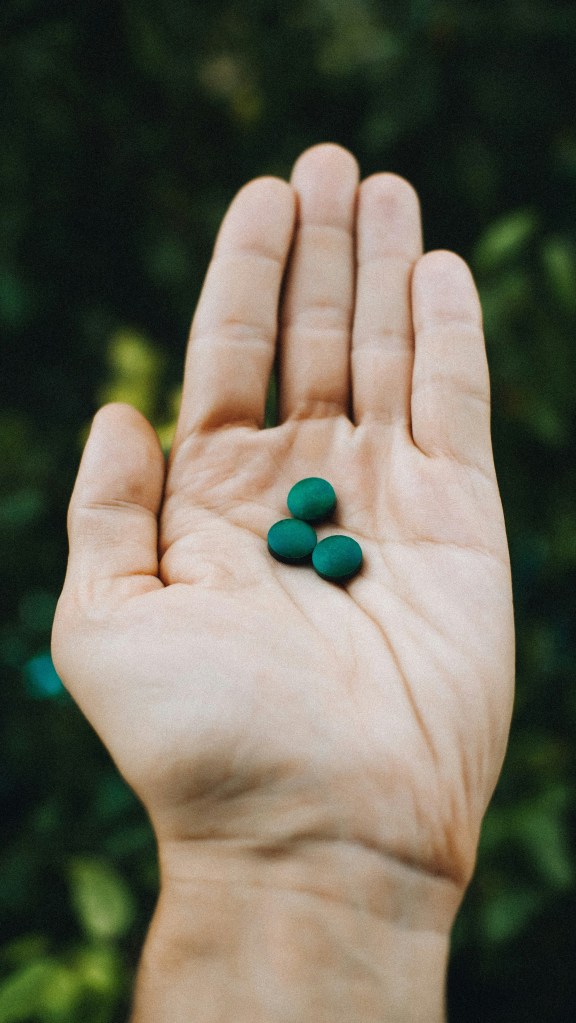
Spirulina comes from a blue-green algae plant found in oceans and salty lakes, it’s typically sold as a powder, capsule or tablet supplement.
This green powdered super food is considered one of the oldest plants on Earth, being used for centuries due to its high nutritional value and health benefits. These days, people use spirulina to boost the levels of nutrients and antioxidants in their bodies, with new evidence saying, spirulina may help protect against various diseases.
Along with the traditional spirulina, blue spirulina has become a popular variant of this super food, with the benefits being the same as spirulina, however it includes a higher concentration of phycocyanin, an antioxidant that gives the algae its bright hue.
Spirulina nutrition
Spirulina is packed with nutrients. A single tablespoon (tbsp), or 7 grams (g), of dried spirulina powder, contains:
- Thiamine (B1): 14% of the Daily Value (DV)
- Riboflavin (B2): 20% of the DV
- Niacin (B3): 6% of the DV
- Copper: 47% of the DV
- Iron: 11% of the DV
It also contains small amounts of Beta-carotene, folate, vitamin A & K, magnesium, potassium and manganese.
A tablespoon will give you:
- 20 calories
- 1 gram of fat
- 2 grams of carbs
- 4 grams of protein
Spirulina health benefits
Spirulina contains protein, vitamins, and minerals and has antioxidant properties. It may help manage inflammation, blood sugar, cholesterol, and blood pressure, among other benefits.
1. It’s a powerful antioxidant
The main component of spirulina is called phycocyanin, which is an antioxidant that also gives it its unique blue colour.
Phycocyanin can help fight oxidative stress by blocking the production of molecules that promote inflammation, providing the body with antioxidant and anti-inflammatory effects.
2. it may help relieve your seasonal allergies
Spirulina is a popular alternative treatment for symptoms of allergic rhinitis, especially when taken regularly. There have been numerous studies on this topic, with great evidence showing how effective spirulina can be for treating allergies, improving symptoms of allergic rhinitis and decreasing inflammation.
3. May lower cholesterol and triglyceride levels
Spirulina has been known to help lower cholesterol levels, especially (LDL) or bad cholesterol, and triglycerides, while also increasing (HDL) or good cholesterol, which are all risk factors for heart disease.
4. may reduce blood pressure
Studies have found that taking 1-8 g of spirulina per day could significantly reduce blood pressure, especially for people with high blood pressure levels.
This reduction is thought to be driven by an increased production of nitric oxide a signalling molecule that helps your blood vessels relax and dilate.
5. could be effective against anaemia
Anaemia is fairly common in older adults, vegans along with some people who have difficulty in absorbing nutrients, anemia can lead to prolonged feelings of weakness and fatigue and when left untreated can be a very dangerous condition.
6. may improve muscle strength and endurance
There’s been a lot of research around how spirulina, and its ability to reduce oxidative stress, may play a role in improving muscle strength and endurance.
Exercise-induced oxidative damage is a major contributor to muscle fatigue.
Spirulina may help reduce this, while also improving oxygen uptake during exercise, assisting to enhance athletic performance.
7. eye health
Spirulina contains the antioxidant beta carotene. The body converts beta carotene into vitamin A, which plays a significant role in eye health.
Spirulina side effects and risks
Some supplements are not always recognised equally by the health organisations however, spirulina has been regarded as “a generally safe supplement.”
If you’re looking to add spirulina into your health regime, it’s recommended to follow the recommended daily intake guidelines.
Consuming too much spirulina you may experience some mild side effects like:
- Headaches
- Bloating
- Gas
- Diarrhea
You should always talk with a healthcare provider, prior to making any health changes, especially if you have any underlying health conditions or are on medication.
Some people who should avoid spirulina include:
- Pregnant or breastfeeding
- Have a compromised immune system
- Have diabetes
- Have a blood disorder
- Are allergic to shellfish or other seafood
- Have an intolerance to iodine
Is it good to take spirulina every day?
Most people who use spirulina take up to 10 grams every day for up to 6 months at a time. A doctor can advise on how often to use it, how much to take, and for how long.
It is recommended to give your body a small break in-between spirulina treatment to allow your body to absorb the nutrients efficiently.
How long does a spirulina treatment last?
In general, a spirulina treatment can last from 3 weeks to 3 months. It is recommended to undertake this treatment during periods of overwork because spirulina helps combat fatigue, improves athletic performance for athletes, and enhances overall health in general. It is preferable to take spirulina as a treatment during the inter-season, that is, in spring or autumn, or when your body feels the need.
If you choose to undergo a 3-month treatment, it is necessary to take a one-week break every 3 weeks to allow your body to absorb and make the most of all the nutrients present in spirulina. However, it is important to note that spirulina is a dietary supplement and should not be considered a substitute for a balanced diet.
How much spirulina should be taken per day ?
The recommended daily dose of this nutrient-rich food derived from algae depends on several factors, including the person’s age, sex, and overall health. Generally, the daily dose ranges from 1 to 3 grams per day, which is equivalent to about 1 to 2 teaspoons of spirulina powder, or 2 to 6 tablets per day.
It is recommended not to start consuming spirulina with a high dose. Begin with small amounts and gradually increase the dose over time to avoid side effects such as digestive issues. However, it is important to note that the daily dose can vary depending on the manufacturers and products, so it is crucial to follow the instructions on the packaging. Consult your healthcare professional before starting to supplement with spirulina and do not exceed the recommended daily dose indicated on the product.
With which foods should you consume with spirulina?
Spirulina can be consumed with a variety of foods to enhance its flavour and health benefits. Thanks to the nutritional composition of this superfood, which is rich in active ingredients and a good source of iron, it can cover up to 50% of our daily needs. It is recommended to pair it with a source of vitamin C for better iron absorption, as iron is more easily absorbed in its presence. Vitamin C can be found in fresh vegetables and fruits like berries, kiwi, citrus fruits and spinach just to mention a few, yet the list is endless!
It should be noted that you should not associate spirulina with foods that diminish its effect by reducing the absorption of the iron contained in this micro-algae, such as coffee or tea. Therefore, it is better to space out their consumption and that of spirulina by several hours.
The bottom line
Spirulina is a highly nutritious blue green algae. Spirulina is a “superfood” health supplement which can be consumed by either its green powder form or as a capsule, this health supplement can be taken daily to aid in health and balancing out any health deficiencies, yet it is recommended to take small breaks in between doses to ensure your body is absorbing its nutrients optimally.
Studies show that it may improve cholesterol levels, reduce blood pressure, aid in muscle strength and endurance, while being jam packed with macros and nutrients.
It is important to mention that spirulina is a supplement, meaning that it is to be taken as a boost in your diet, it is not to replace a healthy, well-balanced diet. A ‘food first’ approach is much more effective, and someone should not rely on supplementation alone.
The entire contents of this website are based upon the opinion of the author, which has been researched through a variety of integrated health modalities.
The information on this website is not intended to replace the relationship with a qualified health care professional and is not intended as medical advice. The articles are intended as a sharing of knowledge and information from the research and experience which has come from a variety of health practitioners in their individual fields.
Kin daily, encourages you to make your own health care decisions based upon your personal health journey with the guidance of a qualified health care practitioner.

 dailykinhealth.com