
Winter has well and truly arrived in the southern hemisphere, and while most of Australia does not get too cold over this season, we are however still prone to the dreaded winter flu. For most of us, we will likely come across one of the flu variants and if we are lucky it will pass over fairly quickly, there are however some natural remedies we can reach for when our immunity is compromised and there are also some preventative steps we can take to try to boost our selves up and avoid the flu altogether.
There are many steps you can take to staying healthy and boosting your immunity over the winter months, from wearing appropriate clothing, washing hands frequently to eating a nutritionally balanced diet, along with getting enough sunshine, exercise and rest, to ensure your body is fuelled and boosted to function optimally while protecting it against flus and illnesses.
The ultimate goal when attempting to achieve immune health is to have a well-balanced immune system that responds appropriately when and if it gets challenged. To achieve this I would say it is more a work in progress, meaning you cannot miraculously change or boost your immune system overnight, it is something you need to commit to and work towards. So, saying this, I recommend that prevention is always the better path here.
What does prevention look like? Well, it may seem simple but it’s a delicate combination of eating correctly (yes, eating all your veggies), getting daily exercise, reducing stress, resting, taking a supplement if you are deficient in certain nutrients and getting out in nature, sunshine is a huge immune stimulant.
When we look at our health and boosting your immunity, this must be done through lifestyle, upping your intake of nutrient dense fruit, veggies, good fats, proteins and herbs which contain a multitude of vitamins, minerals and powerful antioxidants which are essential to helping your immune system function well.
We all know life can get busy, stress can creep in, you may over work yourself, sleep is not a priority, the kids come home with a sniffly nose…. and if these combine and you’re not on top of your health, you may sometimes compromise your immune systems response to fighting off viruses and infections. There are however several remedies which are known for their powerful immune support which we can reach to in times of need along with taking as a preventative.
Here are my top11 immune-boosting nutrients and herbs
1. Vitamin D
The hormone vitamin D also known as the fat-soluble vitamin D is essential to the health and functioning of your immune system.
Vitamin D enhances the pathogen-fighting effects in white blood cells that are important parts of your immune defence and decreases inflammation which helps promote immune response.
Research suggests that supplementing with vitamin D may help improve immune response, however vitamin D can also be obtained through frequent short periods of sunshine, depending on the time of year and your location generally speaking in Australia this could be 5-20 minutes in summer to 30-60 minutes in winter, remember to always practice sun safe habits.
Good sources of Vitamin D
- Cod liver oil
- Swordfish
- Salmon
- Canned tuna
- Oysters
- Beef liver
- Egg yolks
- Pasture raised pork
- Mushrooms
The two main forms of vitamin D are D2 & D3
They differ depending on their food sources. Vitamin D3 Comes from animals, Vitamin D2 from plants
Vitamin D can also be consumed via supplement form, especially if your diet does not include D rich foods. It is important to remember that this is a fat-soluble vitamin, meaning that it does not get excreted from the body daily, instead it builds up in the body over time, so it is important not to overdo this vitamin as too much vitamin D can be toxic to the body.
2. Omega 3
Omega 3s are polyunsaturated fats which you need to form immune cells and reduce inflammation in your body. These fats bind with fat soluble vitamins to ensure vitamins are digested and distributed throughout the body efficiently.
Good sources of Omega 3
- Salmon
- Sardines
- Mackerel
- Tuna
- Chia seeds
- Flax seeds
- Walnuts
- Hemp seeds
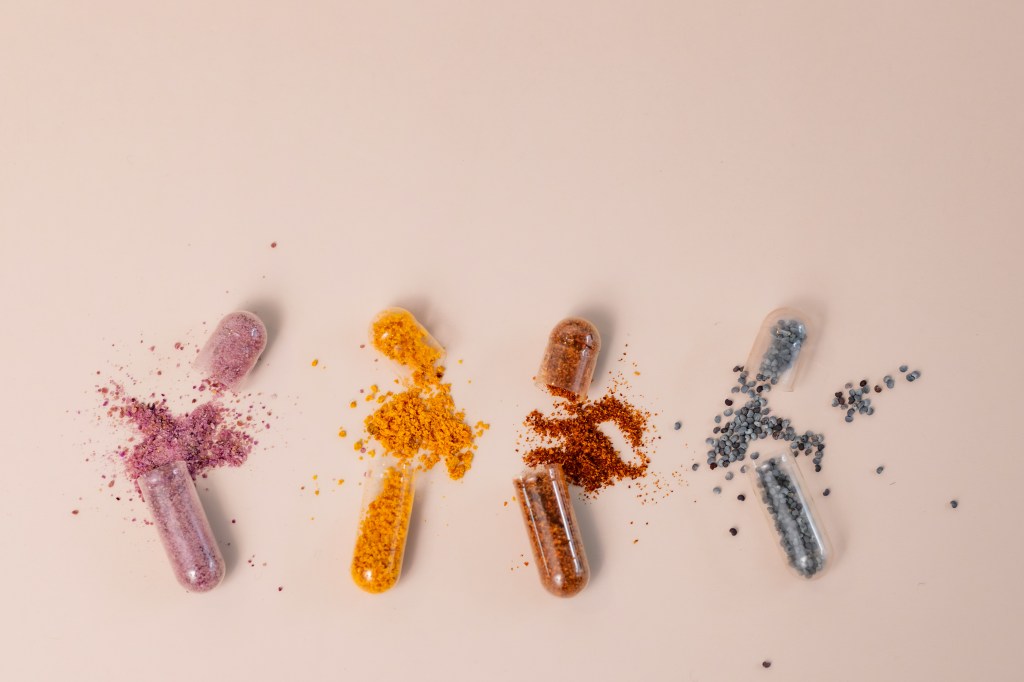
3. Zinc
Zinc is a mineral commonly added to supplements and other healthcare products, for its immune system functions.
Zinc deficiency may affect your immune system’s ability to function properly, resulting in an increased risk of infection and disease.
Research suggests that zinc supplements may be beneficial for people who are already sick, this mineral may also reduce the duration of the common cold.
It’s important to be mindful that unless specified by your health practitioner, excessive doses of any vitamin may be harmful to your overall health and this is also relevant with zinc, too much may interfere with copper and iron absorption, which could increase your infection risk.
Good sources of Zinc
- Red meat
- Shellfish
- Oysters
- Nuts
- Poultry
- Eggs
- Milk and cheese
- Beans
- Whole grains
4. NAC
N-acetyl l-cysteine (NAC) is the precursor to glutathione and a potent antioxidant. It is a derivative of the naturally occurring amino acid, l-cysteine. Glutathione has many benefits to the body however when it comes to immunity this antioxidant helps protect cells from oxidative damage which can boost the immune system.
Some studies have shown that higher blood levels of glutathione are associated with a reduced risk for illness and infections, especially in the elderly.
Studies also show glutathione is vital to help keep our white blood cells supplied to fight infections.
There is no specific dietary recommendation for cysteine because your body can produce small amounts. Yet, for your body to make the amino acid cysteine, you need adequate amounts of folate, vitamin B6 & B12.
While cysteine can be found in most protein-rich foods, some people supplement with NAC to increase their cysteine intake, this can be taken either intravenously, orally, as a spray, or in liquid or powder form.
It is important to know that NAC has low bioavailability as an oral supplement, meaning your body does not absorb it well. The guideline for daily supplement recommendation is 600–1,800 mg of NAC.
Good sources of Cysteine
- Chicken
- Turkey
- Yogurt
- Cheese
- Eggs
- Sunflower seeds
- Legumes.

5. Vitamin C
Vitamin C is known as the most popular supplement for protecting against infection due to its important role in immune health.
This vitamin supports the function of numerous immune cells and enhances their ability to protect against infection.
It may also help
- Function as an antioxidant
- Protect against oxidative stress
- Reduce the duration and severity of upper respiratory tract infections
- Promote cellular death by clearing out old cells and replacing them with new ones
Foods naturally containing vitamin C include fruits and vegetables
Good sources of Vitamin C
- Red and green peppers
- Citrus fruits including lemons, orange and grapefruit
- Kiwi fruit
- Strawberries
- Spinach and other leafy greens
- Tomatoes
Supplemental daily doses are typically between 250 and 1,000 mg. While it can be taken in higher doses as times of infection, the upper limit for vitamin C is 2,000mg. Vitamin C is a water soluble vitamin, meaning that it does not build up in the body over time, it gets excreted daily and due to this reason, vitamin C rich foods must be consumed daily to ensure you are eating the adequate daily intakes.
6. Elderberry
Black elderberry is a commonly used medicinal plants which has long been used to treat many ailments with particular attention to infections related to immune health. Elderberries are a low-calorie food packed with nutrients and antioxidants.
Some studies have reported that elderberry extract in supplementation form may help reduce upper respiratory symptoms caused by viral infections, while reducing the duration and severity of colds.
Elderberries contain
- High doses of vitamin C
- Dietary fibre
- A good source of phenolic acids, these compounds are potent antioxidants that can help reduce damage from oxidative stress in the body
- A good source of flavanols. Elderberry contains the antioxidant flavanols quercetin, kaempferol, and isorhamnetin. The flowers contain up to 10 times more flavanols than the berries
The exact nutritional composition of elderberries depends on:
- The variety of plant
- Ripeness of the berries
- Environmental and climatic conditions
Health risks and side effects of elderberries
While elderberry has some potential benefits, there are also some dangers associated with its consumption.
The bark, unripe berries, and seeds contain small amounts of substances known as lectins, which can cause stomach problems if too much is eaten.
It is important to know how to prepare elderberries prior to consumption, it should be noted that elderberries are not to be consumed raw and that they are to be cooked before consumption. This helps destroy sambunigrin, a compound found in elderberries that may cause cyanide poisoning. However, commercial preparations and cooked berries do not contain cyanide, so there are no reports of fatalities from eating these.
7. Selenium
Selenium is an essential mineral It can help support the healthy functioning of your body, including your metabolism, immune system, and thyroid function.
Selenium is an essential mineral, meaning it must be obtained through your diet, it’s only needed in small amounts but plays a major role in important processes in your body.
Selenium is another of the important antioxidants to help lower oxidative stress in your body, which reduces inflammation and enhances immunity.
Studies have demonstrated that increased blood levels of selenium are associated with enhanced immune response, while deficiency has been shown to harm immune cell function and may lead to a slower immune response.
- Oysters
- Brazil nuts
- Yellowfin tuna
- Eggs
- Sardines
- Sunflower seeds
- Chicken breast
- Shiitake mushrooms
The amount of selenium in plant-based foods varies depending on the selenium content of the soil in which they were grown.
Selenium supplements may help strengthen the immune system in people with influenza and immunity deficiencies. check with your health practitioner if you think you may require extra selenium in your diet.
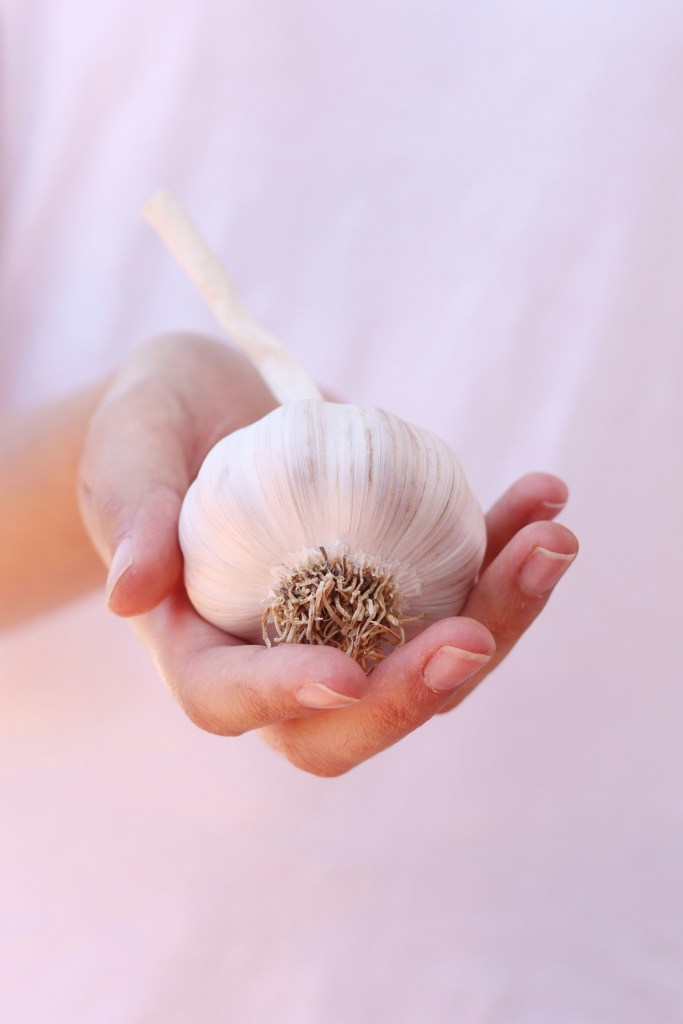
8. Garlic
Garlic has been used medicinally around the world for centuries, with its powerful anti-inflammatory, antiviral, and immunomodulating properties, eating garlic may provide a wide variety of health benefits.
Garlic is particularly protective against the common cold and the flu, as it contains compounds that help the immune system fight germs.
Whole garlic contains a compound called alliin. When garlic is crushed or chewed, this compound turns into allicin, the main active ingredient in garlic.
These compounds have been shown to boost the disease-fighting response of some types of white blood cells in the body when they encounter viruses, such as the viruses that cause the common cold or flu.
Some studies have also shown that garlic may reduce the risk of becoming sick in the first place, as well as how long you stay sick. It may also reduce the severity of symptoms.
The way garlic is processed or prepared can change its health benefits.
The enzyme alliinase, which converts alliin into the beneficial allicin, only works under certain conditions. It can also be deactivated by heat.
Here are a few ways to maximize the health benefits of garlic:
- Crush or slice all your garlic before you eat it. This increases the allicin content.
- Before you cook with your crushed garlic, let it stand for 10 minutes before cooking can help prevent the loss of its medicinal properties.
9. B complex vitamins
The B-group vitamins are a collection of 8 water-soluble vitamins essential for various metabolic processes, including being important for a healthy immune response. The vitamins that make up B complex are thiamine (vitamin B1), riboflavin (vitamin B2), niacin (vitamin B3), pantothenic acid (vitamin B5), pyridoxine (vitamin B6), biotin (B7), folate (B9), and cobalamin (vitamin B12). Most of these vitamins can’t be stored by the body and must be consumed regularly in the diet.
The B vitamins all have their own individual requirements within the body, some forms of vitamin B may help strengthen your immune system, such as vitamin B12 and folic acid are both vital for immune function. Both are necessary for producing enough red blood cells to carry oxygen around the body, red blood cells are crucial immune cells which are part of your body’s immune response it’s important to ensure they’re able to form and function correctly.
Here are the various ways B Complex vitamins support your immune system:
- Energy Production B vitamins are essential for the conversion of food into energy. A well-functioning immune system requires energy to effectively respond to infections.
- Stress Management Stress can weaken your immune system. B vitamins, particularly B5 and B6, play an important role in managing stress and may help reduce its impact on immunity
- Antioxidant Defence Some B vitamins, such as B2 and B3, function as antioxidants
- Antibody Production Vitamin B6 is crucial for producing antibodies, which are proteins that recognise and neutralise harmful pathogens like viruses and bacteria
- Inflammation Regulation B vitamins help regulate inflammation, an essential function to prevent cell damage and illness. Adequate B vitamins can contribute to a balanced immune response.
B vitamins can be found in numerous food sources, however they generally cannot all be found in one particular food, so it is important to eat a well-balanced diet to ensure you are consuming all the 8 B vitamins.
If your diet is restricted due to diet choices (such as a vegan diet) or certain diseases preventing proper absorption of vitamins, you may benefit from taking a complex B vitamin supplement, your health practitioner will guide you if this is something you may need to think about taking.

10. Curcumin
Curcumin is the main active compound in turmeric. It has powerful anti-inflammatory properties, studies indicate that it may help improve immune function.
Curcumin has prebiotic-like properties which enable it to make changes to the gut microbiota and support the gut-immune connection. Having health gut flora is also super important to keeping your immunity levels where they need to be.
Elevated cortisol levels may impair the immune system, and some research suggests that curcumin is capable of lowering cortisol levels
Turmeric is a well-known anti – inflammatory, and while excessive pro-inflammatory activity by immune cells can lead to a variety of suboptimal health outcomes, research suggests that curcumin may help regulate immune hyperactivity in this area.
11. Olive Leaf Extract
It is believed that the active compound in olive leaves is oleuropein, a natural polyphenol – a type of antioxidant that is also found in extra-virgin olive oil (but is more concentrated in olive leaf extract).
Olive leaf extract is also comprised of phytonutrients, such as flavonoids, plus a number of catechins, which all have an impressive antioxidant capacity much higher than vitamin C and even more than green tea extract.
Olive leaf extract contains essential nutrients, such as iron, zinc, selenium, chromium, vitamin C, beta-carotene and a wide range of amino acids, which puts it on the super food list, if you ask my opinion!
Olive leaf extract is a good addition for anyone who needs an additional immune herb, especially anyone who is prone to picking up colds and flus, such as parents of young children and the elderly. It can also be used as a sore throat gargle.
As with all herbal remedies, source a quality brand and ask for advice from a qualified herbalist so you know you’re getting the right product in the right dosage.
Takeaway
Your immune system can be compromised at any time, not just in the cooler winter months.
No one likes getting a cold or flu, they can come in all shapes and sizes, are easily passed on from one to another and have a tendency of lingering for way too long. There are several remedies which you can take to help elevate symptoms and to get your health back quickly if and when a flu comes your way.
Like all health conditions, prevention is always the best remedy for keeping your immunity levels high, including a healthy diet, adequate sleep, regular exercise, sunshine and stress reduction are important lifestyle choices we can make to help keep our immune systems functioning at higher levels. No medication or supplement can ever replace choosing healthy lifestyle choices.
However, there is evidence that certain supplements, vitamins and herbs, may provide an extra boost for those hoping to optimise their immune-system health when lifestyle choices are not enough, it is best to lead a healthy and preventative health regime to try to counterbalance health and immunity issues.
The entire contents of this website are based upon the opinion of the author, which has been researched through a variety of integrated health modalities.
The information on this website is not intended to replace the relationship with a qualified health care professional and is not intended as medical advice. The articles are intended as a sharing of knowledge and information from the research and experience which has come from a variety of health practitioners in their individual fields.
Kin daily, encourages you to make your own health care decisions based upon your personal health journey with the guidance of a qualified health care practitioner.

 dailykinhealth.com