Protein, is getting its time in the spotlight at the moment, Its almost the new buzz word in the fitness and health industry and for good reasons! It’s not like protein has not been included in a healthy balanced diet, yet I feel like it is finally being recognised for its importance in all stages of life. A higher protein diet can promote muscle strength, feeling of fullness, and weight loss and not to mention the numerous functions it has within the body.
When we think of good quality protein sources, we generally go to animal products such as lean meat, seafood, poultry, eggs and dairy, I won’t deny these are all great protein sources. But today we are talking about protein in a vegetarian or vegan diet and it’s important to recognise that there is also so many amazing plant sources of protein available to combine into your diet, especially when looking at diets which have removed animal sources.
There has been a huge misconception about protein when looking at the vegetarian and vegan diets, that being, they may lack sufficient good quality protein. But vegans can get protein from various plant sources, though some may be better than others.
A quick little lesson on amino acids
It’s important to understand protein and how a protein is made up. Both animal and plant proteins are made up of amino acids. The proportion of these amino acids varies depending on the protein source.
Amino acids are molecules used by all living things to make proteins. Your body needs 20 different amino acids to function correctly.
9 of these amino acids are called essential amino acids. Essential amino acids must be consumed through the food you eat, your body cannot make these. Essential amino acids can be found in a variety of foods, including beef, eggs and dairy to name a few.
Amino acids are what we call the building blocks of protein. Proteins are long chains of amino acids. Your body has thousands of different proteins that each have important jobs. Each protein has its own sequence of amino acids. The sequence makes the protein take different shapes and have different functions in your body.
When we look at the 9 essential amino acids, there are 2 types:
- Complete proteins – these are foods which contain all 9 essential amino acids, (histidine, isoleucine, leucine, lysine, methionine, phenylalanine, threonine, tryptophan, and valine). These foods include foods such as beef, poultry, fish, eggs, dairy, soy, quinoa and buckwheat.
- Incomplete proteins – these are foods which contain some, but not all of the 9 essential amino acids. These foods include nuts, seeds, beans, some grains and vegetables. When following a vegetarian or vegan diet, it is important to include several different types of incomplete proteins in each meal to ensure you’re consuming all 9 essential amino acids.
What do amino acids do?
Your body uses amino acids to make proteins. The different types of amino acids and the way they’re put together determine the function of each protein and their role in the body.
Amino acids help:
- Break down food
- Provide an energy source
- Grow and repair body tissue
- Make hormones and brain chemicals (neurotransmitters)
- Maintain healthy skin, hair and nails
- Build muscle
- Boost immune system
- Sustain the digestive system
All of this may come across as a little confusing, especially when on a vegan diet ensuring you are getting adequate essential amino acids from Incomplete protein sources. Yet with a little meal planning this can become an easy task.
On another, note, the vegan diet has been recognised to have several health benefits in terms of nutrients, weight loss, and a lower chance of various health problems. Generally a well-planned vegan diet can be made up of mostly minimally processed foods, it is important to recognise that it is easy to eat a diet which contains large amounts of ultra-processed plant foods which contain very little protein or nutritional benefits. Poorly planned or highly processed vegan diets can result in developing nutrient deficiencies, especially in vitamin B12, iodine, iron, calcium, zinc, and long-chain omega-3s.
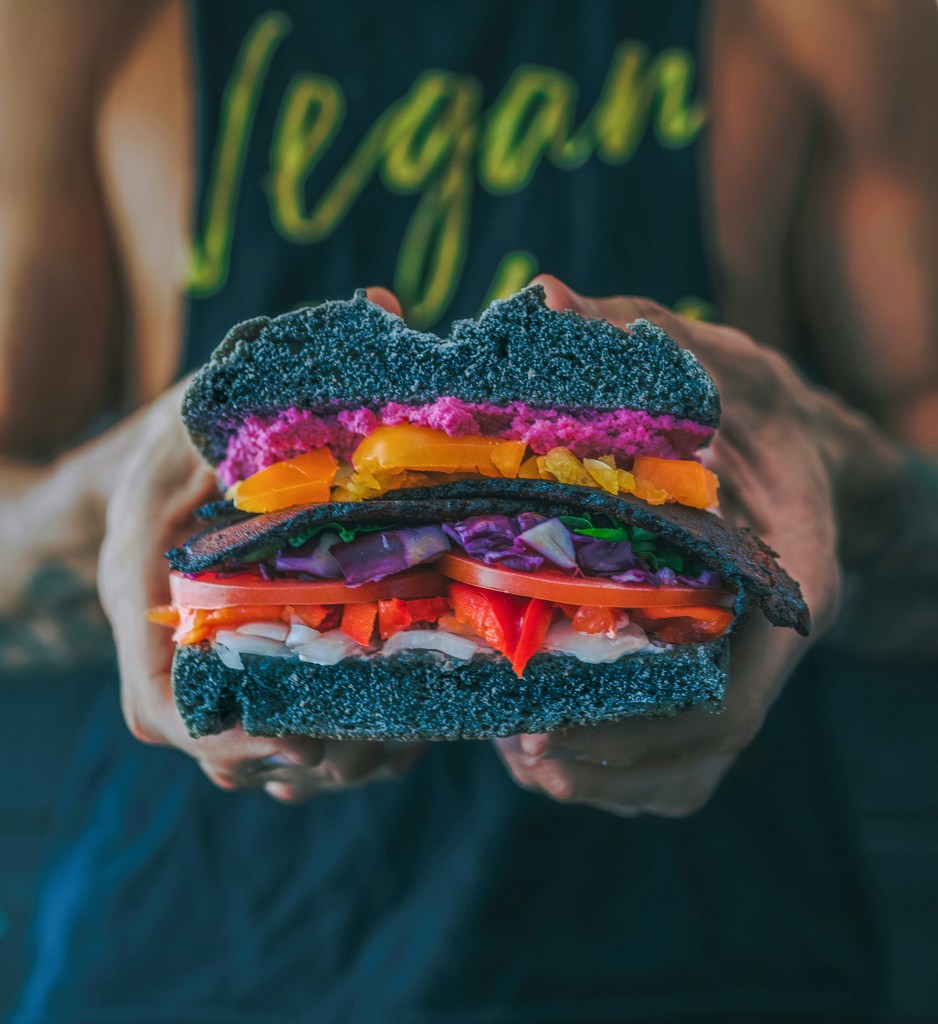
The following plant foods are great vegan options which contain a high amount of protein per serving
Tofu, Tempeh & Edamame
- 12–20 g of protein per 100 g serving
- Complete protein source
All coming from the soybean, these 3 provide your body with all the 9 essential amino acids it needs. They all contain iron & calcium.
Edamame is rich in folate, vitamin K, and fibre supporting digestion and regularity, while tempeh contains probiotics, B vitamins, and minerals, such as magnesium and phosphorus. Tofu is a great source of selenium, manganese and vitamin A
Lentils
- 18g of protein per cooked cup
Lentils are a great source of protein and fibre, providing over half of your recommended daily fibre intake. In addition, lentils are rich in folate, manganese, iron, antioxidants, and other health-promoting plant compounds.
Beans
- 15g of protein per cooked cup
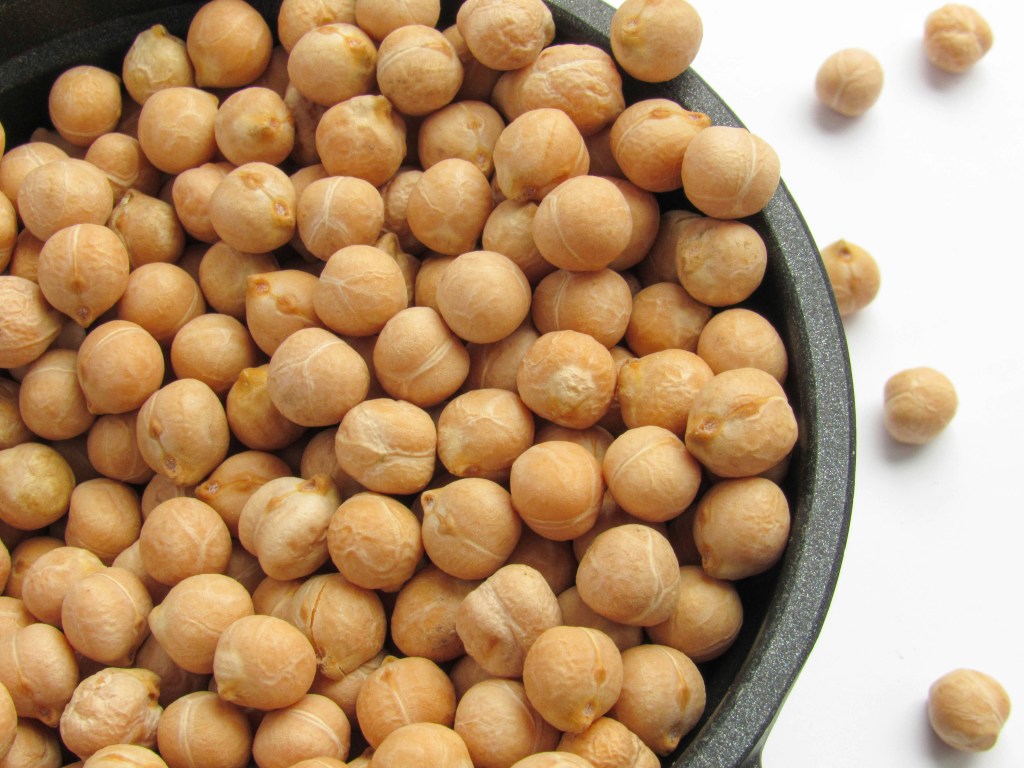
Kidney, black, pinto, chickpeas and most other varieties of beans are extremely important staple foods in the vegan diet, they contain high amounts of protein per serving. They’re a great source of complex carbs, fibre, iron, folate, phosphorus, potassium, manganese, and contain several beneficial plant compounds.
Hemp Seeds
- 9g of protein in each 3-tablespoon serving
- Complete protein source
This little seed from the Cannabis sativa plant, is finally being recognised for its multiple nutritional properties. They contain high levels of magnesium, iron, calcium, zinc, and selenium. they’re a good source of omega-3 and omega-6 fatty acids, fibre and antioxidants.
Research has discovered that the type of fats found in hemp seeds may help reduce inflammation and alleviate symptoms of menopause and certain skin conditions.
You can find hemp seeds, hemp meal, hemp oil or hemp protein powder for sale in most grocery and health food stores. They can be use in a variety of different ways in your meals including:
- Blending them into smoothies
- Topping salads or yogurt
- Adding to cereal
- Baking hemp seeds into muffins
- Making homemade hemp milk
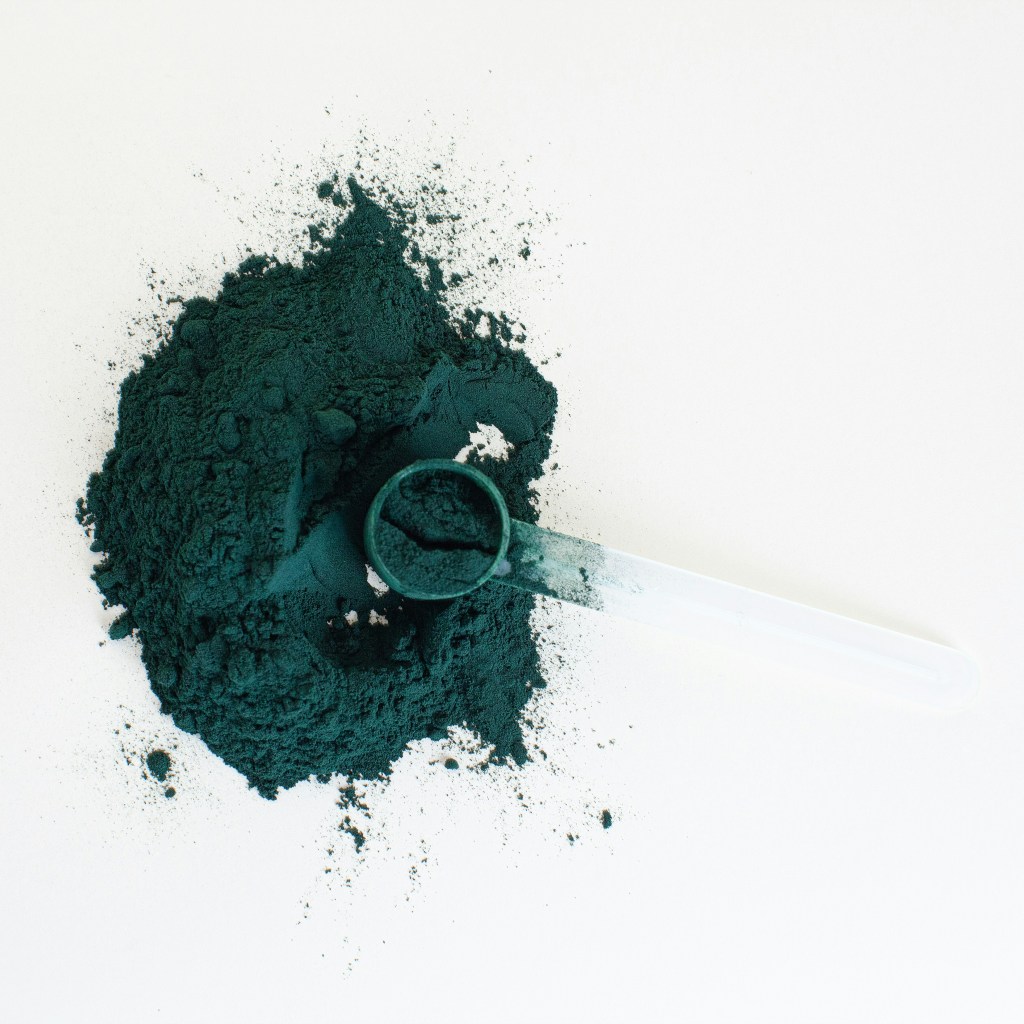
Spirulina
- 8g protein in a 2 tbs -14 g serving
- Complete protein source
This blue-green algae is a nutritional powerhouse, containing 22% of your daily requirements for iron, which is super important when eating a vegan diet along with containing high amounts of magnesium, riboflavin, manganese, potassium, and small amounts of essential fatty acids.
Some research has linked the consumption of spirulina to health benefits ranging from a stronger immune system and reduced blood pressure to improved blood sugar and cholesterol levels.
Spirulina is generally taken in either a powder or tablet supplement form.
Nutritional Yeast
- 8g of protein in a 16g serving
- Complete protein source
Fortified nutritional yeast is also an excellent source of fibre, zinc, magnesium, copper, manganese and all the B vitamins, including vitamin B12.
It is a flavourful, nutrient-dense food ingredient that is often used as a cheese substitute, especially in vegan diets, due to its cheesy, nutty taste. Nutritional yeast flakes are gluten free and can be used in various ways to enhance the flavour and nutritional value of your meals:
- Popcorn: Sprinkle nutritional yeast flakes and a pinch of salt onto freshly-popped popcorn for a savoury snack.
- Cheese Substitute: Use it as a Parmesan cheese alternative on pasta, risotto, or soup.
- Toppings: Sprinkle on top of baked beans, or roasted vegetables.
Spelt
- 10–11 g of protein per cooked cup
Spelt is a type of wheat which belongs to a category known as ancient grains. (in the same family as einkorn, barley, sorghum, and farro). Spelt is one of the higher protein sources in the ancient grains.
Spelt is an excellent sources of various nutrients, including complex carbs, fibre, iron, magnesium, phosphorus, and manganese. Spelt also contain B vitamins, zinc, and selenium.
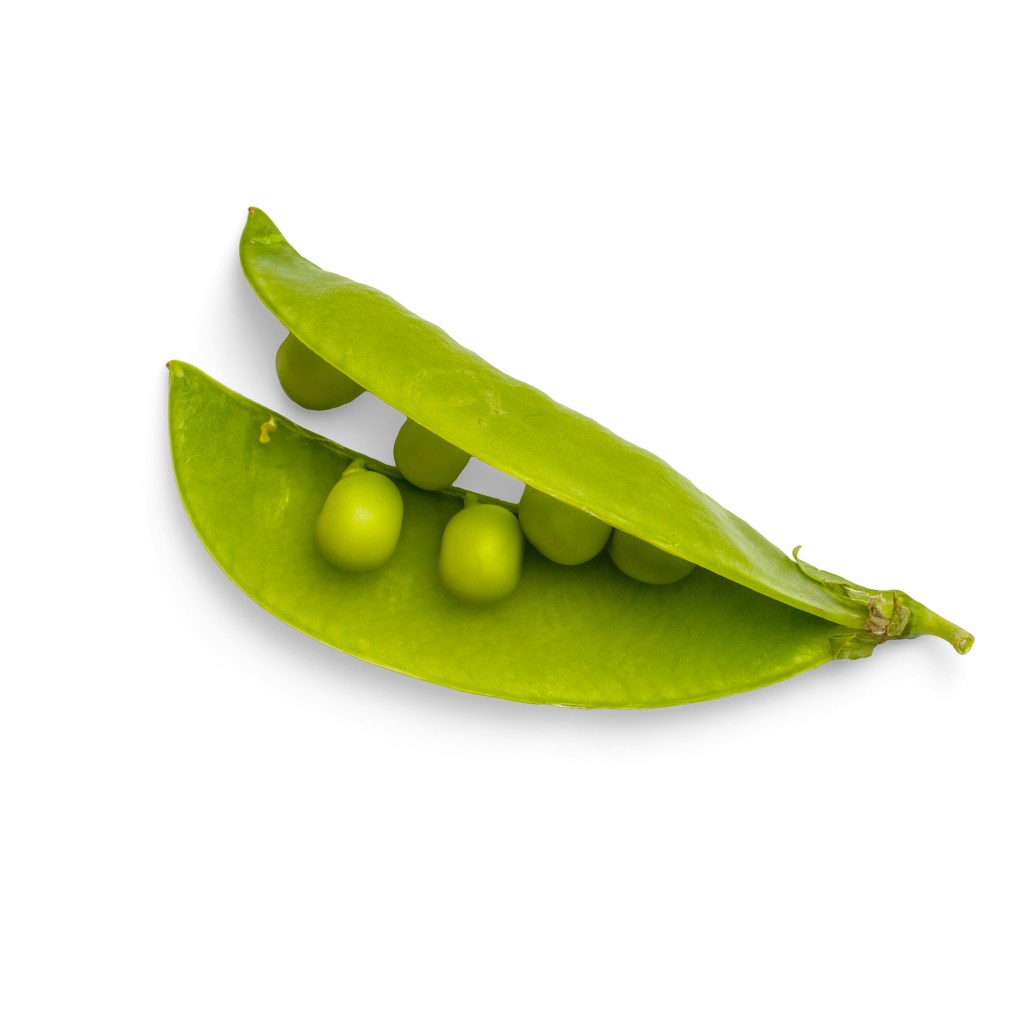
Green Peas
- 9g of protein per cooked cup
- Complete protein source
Surprisingly, the protein in peas when compared in cup volume, is slightly higher than a cup of dairy milk.
Green peas are also a good source of thiamine, folate, manganese, vitamin C and K, iron, magnesium, phosphorus, zinc, copper and several B vitamins and fibre.
Peas can be consumed in a protein powder source, this supplement is made by extracting protein from yellow peas. Pea protein is a high-quality complete protein and a great source of iron. It can aid muscle growth, weight loss and heart health. Protein powder is typically added to smoothies and shakes to increase the protein content.
Quinoa
- 8–9 g of protein per cooked cup
- Complete protein source
Quinoa (pronounced KEEN-wah) is often referred to as ancient or gluten-free grain, usually grouped with cereal grains like oats and barley however it does not grow from grasses like other cereal grains do. It is technically considered a Pseudocereal grain.
Pseudocereals are seeds that are prepared and eaten similarly to grains, examples such as buckwheat and amaranth.
Quinoa is also a good source of complex carbs, fibre, iron, manganese, phosphorus, zinc and magnesium.
Chia Seeds
- 5g of protein per 10g
Is native to Mexico and Guatemala, coming from the Salvia hispanica plant.
These little seeds contain high levels of iron, calcium, selenium, magnesium, omega-3 fatty acids, antioxidants, fibre and other beneficial plant compounds.
Chia seeds are highly versatile, but best consumed when soaked in a liquid of nut milk, coconut water, water or juice. These nutrient dense seeds can then be added to baked goods, porridge, smoothies, yoghurt, fruit or eaten on their own as a chia pudding.
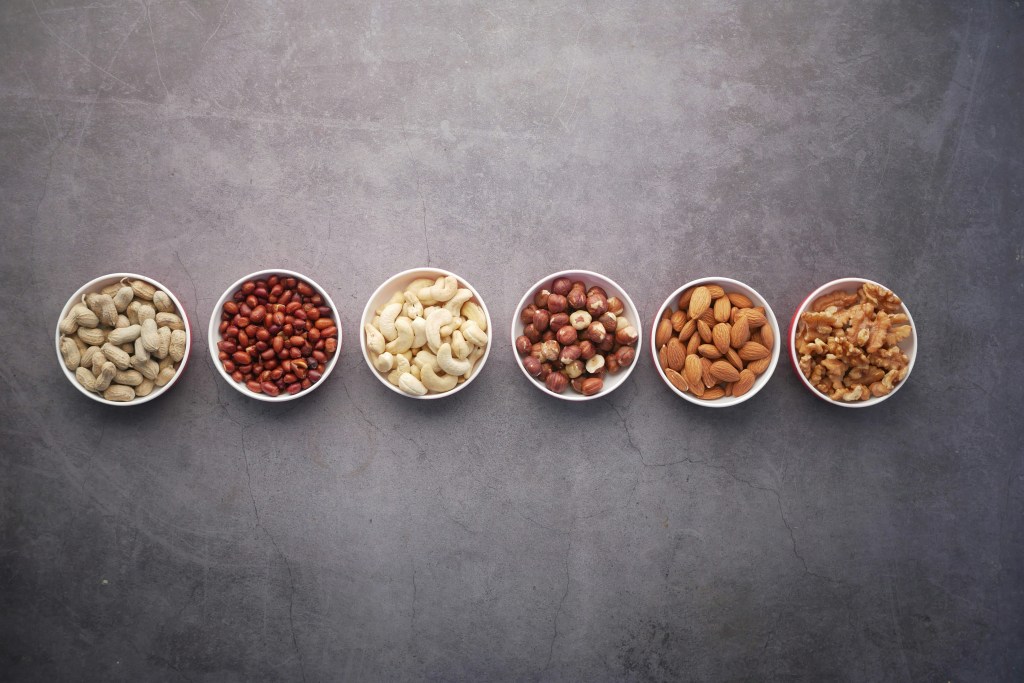
Nuts & Seeds
- 5–7 g of protein per 28g
Nuts and seeds are great sources of protein, depending on the variety, they are also a sources of fibre and healthy fats, along with iron, calcium, magnesium, selenium, phosphorus, vitamin E and some B vitamins
When choosing which nuts and seeds to buy, keep in mind that blanching and roasting may damage the nutrients in nuts. When aiming for the nutritional benefits of nuts it’s best to eat them raw.
Highest protein rich nuts:
- Peanuts
- Almonds
- Pistachios
- Cashews
- Pinenuts
- Walnuts
Soy Milk
- 6 g of protein per cup
This milk is made from soybeans and is usually fortified with vitamins and minerals, and is also an excellent source of calcium.
When sourcing soy milk, its best to opt for organic and read the ingredients list, try to find a product without too many additives and sugar.
Oats
- 5 g of protein in half a cup of dry oats
apart from being a protein source, oats are also high in fibre and contain magnesium, zinc, phosphorus, and folate.
Although oats are not considered a complete protein, they do contain higher quality protein than other commonly consumed grains like rice and wheat.
Brown Rice
- 7.4g of protein per cooked cup
Brown rice is a whole grain, whole grains have a wide range of health benefits including improve blood cholesterol levels, reduction in heart disease, obesity and type 2 diabetes. Rice is also a good source of minerals, antioxidants and dietary fibre.
Protein-rich Fruits and Vegetables
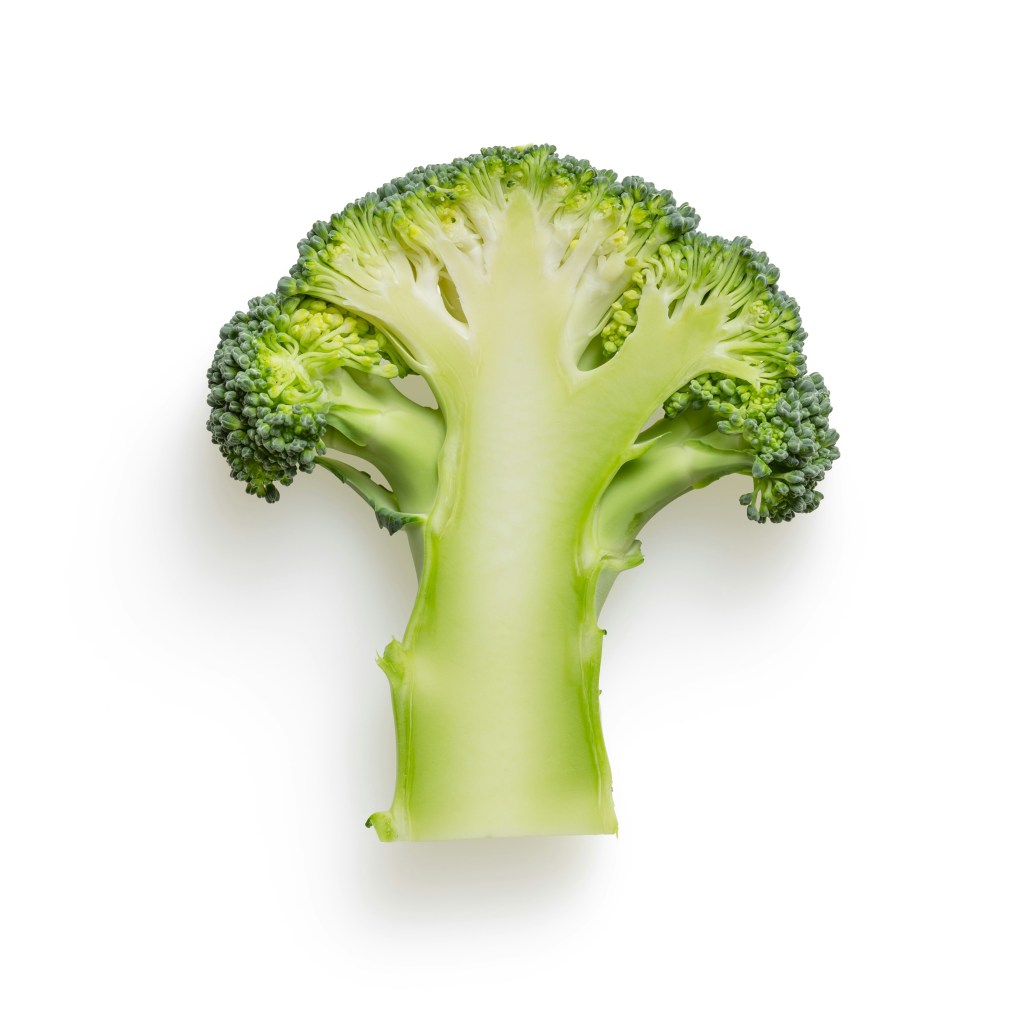
Although all fruits and vegetables contain protein, some contain more than others. High protein vegetables typically contain 4–5 g of protein per cooked cup. It is important to note, that its best not to overcook vegetables especially when boiling them, as they can lose a lot of their nutrients in the cooking process.
Vegetables with the most protein include:
- Broccoli
- Spinach
- Asparagus
- Artichokes
- Brussel sprouts
- Potatoes
- Sweet potatoes
- Corn
Protein Powders
- Protein will vary between brands and ingredients
- Complete protein source
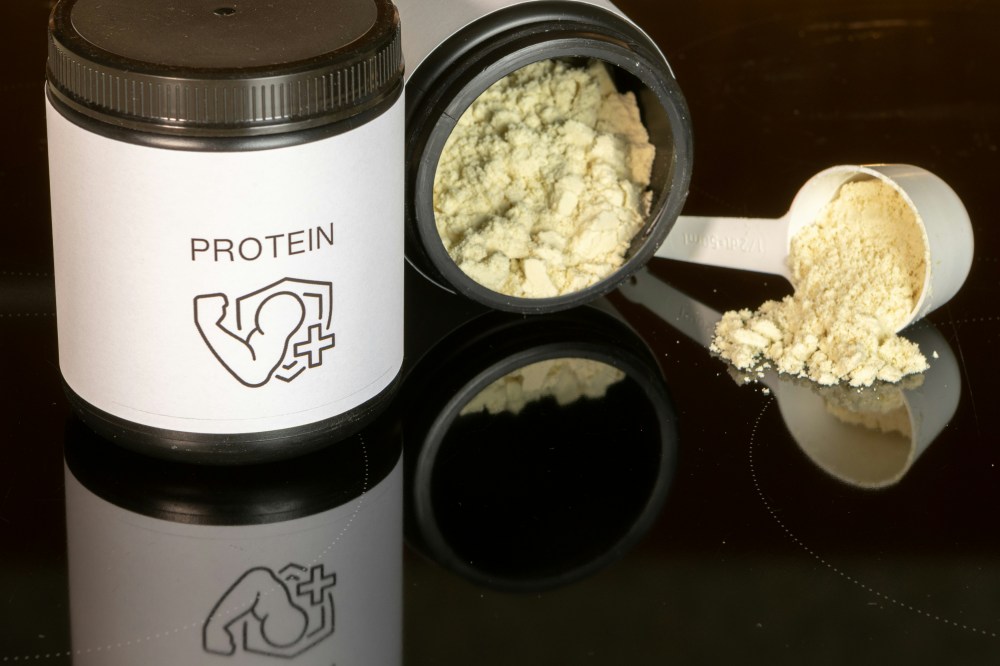
Protein powders are another option for increasing your daily protein intake, there are many on the market these days, its more so doing your research and finding one which fits in with your dietary needs.
Take note of the ingredients list, you want to look for a protein powder which contains whole ingredients and not something which has been over processed, look out for added sugar and read how much protein each serve contains.
Another thing to note, as some people may be confused between the 2, collagen and protein powders do both contain protein, however the main difference is that a protein powder will be a complete protein source, where not all collagen powders are!
Options include
- Hemp protein
- Pea protein
- Vegan protein powders, which may be a blend of several ingredients.
Although there are many more non meat protein sources available, the above are my top choices for getting adequate protein in your daily meals.
Lets recap on complete and incomplete proteins, as only a few of the vegan proteins are complete sources of protein, and otherwise its important to combine a few proteins in each meal to create a complete protein…
Should Vegans Combine Incomplete Proteins?
There is some debate over how best to eat a vegan diet and obtain all 9 amino acids. If you eat a plant-based diet, it’s important to be mindful about the type of protein you choose. whether it’s a complete or incomplete protein. You can combine incomplete protein sources to get all nine essential amino acids daily.
Complementary Protein Pairings
Eating complementary incomplete proteins, combining to form a complete protein within the same meal can be challenging but here is a few examples to get you started:
- Black beans and rice
- Dhal and rice
- Rice salad with chickpeas
- Pita with homemade hummus
- Stir fry tofu & vegetables including (corn, potato, spinach & broccoli) and rice
- Peanut butter sandwich on whole-grain bread, including spelt sourdough.
- Oatmeal topped with nut milk or soy milk
- Protein balls made with oats and nuts or seeds
- Whole grain pasta with pine nuts
- Mixed bean salad with crushed walnuts
- Mexican beans prepared with vegetables
- Hummus topped with pepitas (pumpkin seeds)
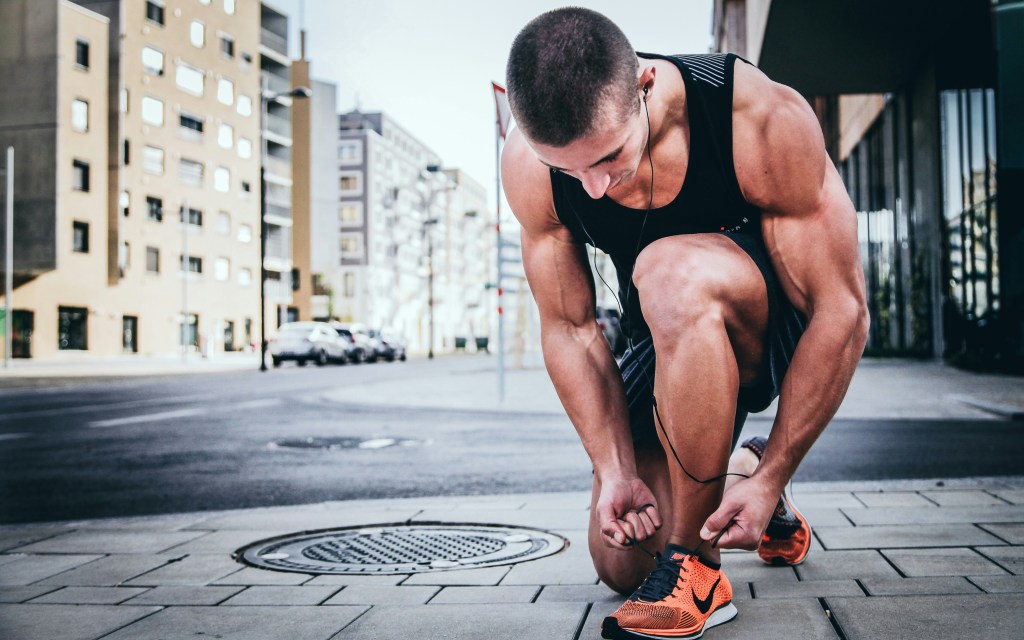
Protein requirements depend on age, gender, height and weight.
When looking at one’s daily macro break down a general rule is:
- 20% – 30% fat
- 10% – 30% protein
- 40% – 50% carbohydrates.
This however can vary depending on the individual’s energy expenditure, training regime and personal health goals.
So, if your daily needs are 2,000 calories, that’s 200-700 calories from protein or 50-175 grams.
Approximate protein requirements
If you’re an average adult.
The recommended dietary allowance to prevent deficiency for an average adult is 0.8 grams per kilogram of body weight. For example, a person who weighs 75 kg, should consume 60 grams of protein per day.
If you’re over age 40-50.
Once you’re between the ages of 40 and 50, sarcopenia — losing muscle mass as you age — begins to set in. To prevent this and to maintain quality of life, your protein needs increase to about 1-1.2 grams per kilogram or 75-90 grams per day for a 75 kg person.
If you exercise regularly.
People who exercise regularly also have higher needs, about 1.1-1.5 grams per kilogram. People who regularly lift weights or are training for a running or cycling event need 1.2-1.7 grams per kilogram. Excessive protein intake would be more than 2 grams per kilogram of body weight each day.
If you’re overweight.
If you are overweight, your weight should be adjusted before calculating your protein needs to avoid overestimating. Consult your health care provider who can help with this calculation and develop a personalised plan. Consulting with a dietitian is also a good idea if you’re underweight or on weight-loss medications.
Protein deficiency This is uncommon in most people, yet there are some signs of malnutrition which can be common in protein deficiency, these are mostly common in ill or elderly people.
Signs of protein deficiency include:
- Wasting of muscles, which can lead to reduced physical function and an increased risk of falls
- Oedema (build-up of fluid)
- Anaemia
- Slow growth (in children)
To maintain muscle mass and strength it is also important to complement protein intake with exercise to avoid muscle wasting and maintain strength. This is particularly important for adults over the age of 50 as muscle mass begins to decrease with age.
Bottom line
It’s important to understand protein and how protein is made up, your body needs 20 different amino acids to function correctly, 9 of these amino acids are called essential amino acids. Essential amino acids must be consumed through the food you eat.
Despite some concerns over getting adequate protein on a vegan or vegetarian diet there are many high protein, plant-based foods available when you know what to reach for.
Consume a varied and well-balanced diet with a focus on high quality sources of protein, while combining incomplete sources of protein to enhance the quality.
If you are concerned about your protein consumption or think you are at risk of malnutrition reach out to see a healthcare professional or dietitian.
The entire contents of this website are based upon the opinion of the author, which has been researched through a variety of integrated health modalities.
The information on this website is not intended to replace the relationship with a qualified health care professional and is not intended as medical advice. The articles are intended as a sharing of knowledge and information from the research and experience which has come from a variety of health practitioners in their individual fields.
Kin daily, encourages you to make your own health care decisions based upon your personal health journey with the guidance of a qualified health care practitioner.

 dailykinhealth.com
Beans can be healthy? You learn something new every day!
LikeLiked by 1 person