Super foods, you’re either a believer or sceptic!
Either way, they are on your health food shelves wether you’re a believer or not and they won’t be going anywhere any time soon.
I honestly have a soft spot for super foods, they have their place in the food chain, but don’t get me wrong I can see a fake from a mile away, but hemp is not a fake that’s for sure and the health industry still has its lights shining brightly on these tiny seeds of goodness and in my opinion, for good reasons!
I personally have been taking hemp protein, seeds, and oil myself for some years now, it’s become a staple in my diet and I swear by it. Hemp is the powerhouse of plant-based foods, and it is not for any reason apart from it is AMAZING!
So I’ve done some research for you to see what all the hype is about. With further ado, let’s talk hemp and you can make up your own mind…. With my slight encouragement of how fab it just is!
what is hemp
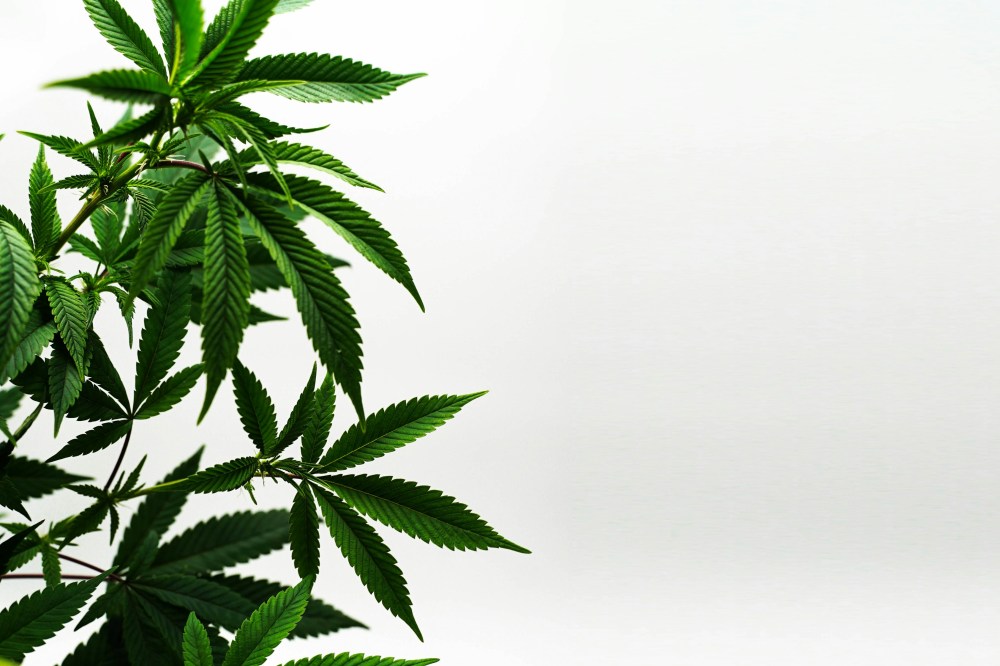
Hemp seeds are a plant-based protein source, which come from the hemp plant (cannabis sativa). They are from the same species as cannabis (marijuana) but a different variety, the hemp plant does not have the same effect as cannabis, so do not worry you will not get any effects from it.
Hemp is a great nutrient dense addition to any diet, with more than 25% of its total calories being a high-quality protein source, 30% of their calories being exceptionally rich in 2 essential fatty acids linoleic acid (omega-6)and alpha-linolenic acid (omega-3). And not to mention that hemp seeds are packed full of essential nutrients including vitamin E and minerals, such as phosphorus, potassium, sodium, magnesium, calcium, iron, and zinc.
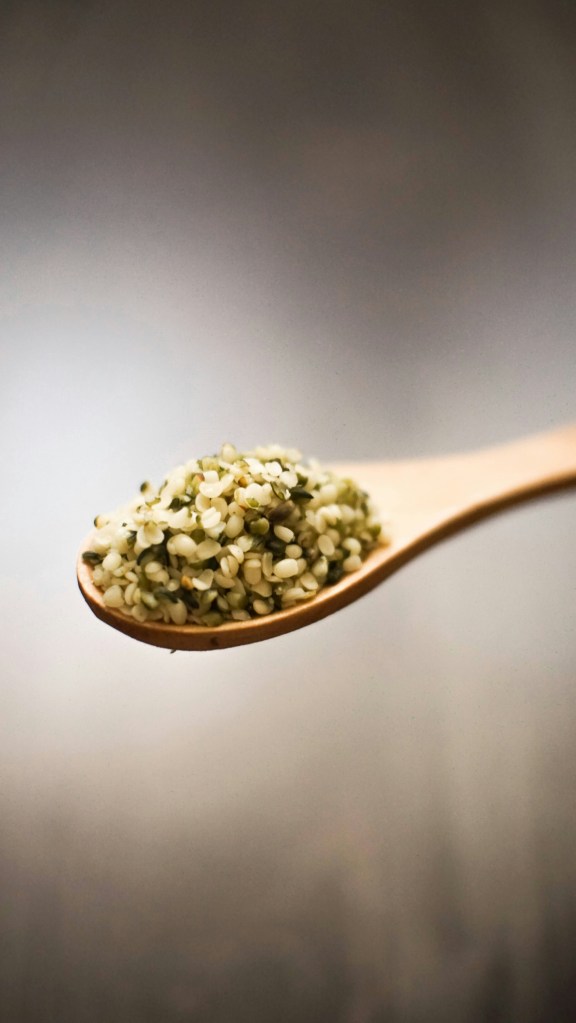
Hemp a plant-based protein
Hemp seeds are considered a complete protein source, they provide all the essential amino acids which are required in a nutrient dense diet. Your body cannot produce essential amino acids and must be consumed in the diet from protein sources, such as meat, eggs, legumes, and some vegetables.
Complete protein sources are very rare in plant-based diets, as plants often lack the amino acid lysine, generally to obtain all amino acids in a plant-based diet, the individual would need to combine several different plant-based proteins to obtain all essential amino acids. Quinoa is another example of a complete, plant-based protein source. As the hemp seed is a complete protein source (which generally only comes from meat products) they are an excellent addition to a vegan & vegetarian diet.
Fun fact
By weight, hemp seeds provide similar amounts of protein as beef and lamb
30 grams of hemp seeds, around 2–3 tablespoons will provide about 11 grams of protein.
Hemp & Skin
Hemp seeds are a good source of polyunsaturated and essential fatty acids. They have about a 3:1 ratio of omega-6 to omega-3, which is considered in the optimal range, this is highly important for a healthy, balanced immune system. Omega 6 is a powerful anti-inflammatory that promotes skin growth and new cell generation. This allows hemp seed oil to calm inflammation-related symptoms and repair and nourish damaged skin. These properties mean hemp seed oil is a great option for treating conditions like psoriasis, acne, and eczema.
The hemp seed oil has been known for promoting anti-ageing, the combination of all omega fats are vital for healthy skin and have been linked to anti-ageing, helping to smooth the skin and reduce fine lines and wrinkles.
Whole Hemp Seeds & Digestion
Hemp seeds are an excellent source of dietary fibre. Fibre is an essential part of your diet and linked to better digestive health.
They contain soluble and insoluble fibre, both of which are necessary for healthy digestion. Getting enough fibre in your diet not only keeps your bowel movements regular but it is also linked to a lower risk of developing certain health conditions, such as heart disease, lowering your cholesterol levels, diabetes, and colon cancer.
The hemp hulls are what contain a majority of the nutrient. Hulled hemp seeds (hemp hearts) don’t have the outer layer, making them much lower in fibre. When choosing how you want your hemp seeds, maybe consider that the whole seeds are the way to go if you are seeking additional fibre in your diet.
Soluble fibre forms a gel-like substance in your gut. It’s a valuable source of nutrients for beneficial digestive bacteria and may also reduce spikes in blood sugar and regulate cholesterol levels.
Insoluble fibre adds bulk to your stool and may help food and waste pass through your gut. It has also been linked to a reduced risk of diabetes.
It must also be noted that the digestibility of hemp protein is also very good, much better than protein from many grains, nuts, and legumes.

Hemp & Heart Health
Scientific studies have shown that hemp seeds or hemp seed oil may reduce your risk of heart disease and help the heart recover after a heart attack, while also assisting the body control blood pressure. Through the assistance of the amino acid arginine (contained in the hemp seed) which produces nitric oxide in your body, this gas molecule makes your blood vessels dilate and relax, leading to lowered blood pressure and a reduced risk of heart disease.
Hemp & Women’s Health
Hemp Seeds May Reduce Symptoms of PMS and Menopause, up to 80% of women of reproductive age may suffer from physical or emotional symptoms caused by premenstrual syndrome (PMS).
These symptoms are very likely caused by sensitivity to the hormone prolactin. The Gamma-linolenic acid(GLA), found in hemp seeds, produces prostaglandin E1, which reduces the effects of prolactin. Studies have shown that woman with PMS taking 1 gram of essential fatty acids, including 210 mg of GLA, per day resulted in a significant decrease in symptoms. GLA may help to reduce breast tenderness, irritability, and water-retention.
The fatty acid may also help to reduce symptoms of menopause. Studies show that GLA may help with the hormone imbalances that occur during menopause, as well as inflammation.

Hemp Nutrients
Hemp seeds are a highly nutritious food. They contain many important nutrients, such as:
Nutrients Per Serving
In 3 tablespoons hemp seeds, you’ll find:
- Calories: 166
- Protein: 10 grams
- Fat: 15 grams
- Carbohydrates: 5 grams
- Fibre: 1.2 grams
- Sugar: 1 gram

Things to Watch Out For
While hemp seeds are a healthy addition to your diet, there are a few things to keep in mind. First, they are high in calories and fat, so ensure to eat in moderation, or at least be aware of what other calories and fats you are consuming in your diet.
You should also avoid eating hemp seeds if you take certain medications unless you have spoken to your health practitioner. The seeds may interfere with cardiac glycosides, such as digoxin. These medications help to maintain a healthy heart rate, and hemp can do the same. Combining the two may lead to health problems.
Hemp seeds may also enhance the effects of certain diuretics, due to this it can trigger your body to flush out too much potassium, which can lead to dangerously low potassium levels.
How to Use Hemp Seeds
You can find hemp seeds, hemp meal, hemp oil or hemp protein powder for sale in most grocery and health food stores. They can be use in a variety of different ways in your meals including:
- Blending them into smoothies
- Topping salads or yogurt
- Adding to cereal
- Baking hemp seeds into muffins
- Making homemade hemp milk

Bottom line
Hemp seeds are a nutrient dense plant protein and essential fatty acid source. These little power houses are rich in vitamins and minerals and come with a multitude of health benefits including skin health, woman’s health, and lowering the risk associated with heart disease, cholesterol, diabetes, and colon cancer.
Hemp seeds can be added to your diet in a variety of ways including, hemp meal, seeds, protein powder or oils, so what are you waiting for? Give them a go next time you’re at the grocery store.
The entire contents of this website are based upon the opinion of the author, which has been researched through a variety of integrated health modalities.
The information on this website is not intended to replace the relationship with a qualified health care professional and is not intended as medical advice. The articles are intended as a sharing of knowledge and information from the research and experience which has come from a variety of health practitioners in their individual fields.
Kin daily, encourages you to make your own health care decisions based upon your personal health journey with the guidance of a qualified health care practitioner.

References:
- Diuretic, WebMD
https://www.webmd.com/heart-disease/heart-failure/heart-failure-treating-diuretics#1
- Heart disease, Mayo Clinic
https://www.mayoclinic.org/diseases-conditions/heart-disease/symptoms-causes/syc-20353118
- Protein types, PubMed NIH National Library of Medicine
https://www.ncbi.nlm.nih.gov/pmc/articles/PMC3905294/
- Calories definition, Health Direct
https://www.healthdirect.gov.au/kilojoules
- Carbohydrates
https://www.healthdirect.gov.au/carbohydrates
- High blood pressure, Health Direct
https://www.healthdirect.gov.au/salt
https://www.healthdirect.gov.au/high-blood-pressure hypertension
- Omega 3, National Institutes of Health
https://ods.od.nih.gov/factsheets/Omega3FattyAcids-Consumer/ https://ods.od.nih.gov/factsheets/Omega3FattyAcids-HealthProfessional/
- Omega 6 and 9, Wikipedia
https://en.wikipedia.org/wiki/Omega-6_fatty_acid https://en.wikipedia.org/wiki/Omega-9_fatty_acid
- Soluble and insoluble fibre, mayo clinic
- Hemp protein, WebMD
https://www.webmd.com/diet/hemp-protein-health-benefits
- Hemp, Wikipedia
https://en.wikipedia.org/wiki/Hemp
- Cannabis sativa, Wikipedia
https://en.wikipedia.org/wiki/Cannabis_sativa
- Fats; Polyunsaturated fat, Mayo Clinic
https://www.mayoclinic.org/healthy-lifestyle/nutrition-and-healthy-eating/in-depth/fat/art-20045550
- Essential fatty acids, NIH, National Library of Medicine
- Essential amino acids, Wikipedia
https://en.wikipedia.org/wiki/Essential_amino_acid
- Quinoa, Wikipedia
https://en.wikipedia.org/wiki/Quinoa
- Psoriasis, Wikipedia
https://en.wikipedia.org/wiki/Psoriasis
- Acne, Wikipedia
https://en.wikipedia.org/wiki/Acne
- Eczema, Wikipedia
https://en.wikipedia.org/wiki/Dermatitis
- Arginine, Wikipedia
https://en.wikipedia.org/wiki/Arginine
- Nitric Oxide, Wikipedia
https://en.wikipedia.org/wiki/Biological_functions_of_nitric_oxide
- Prolactin, Your Hormones
https://www.yourhormones.info/hormones/prolactin/
- Prostaglandin E1, Wikipedia
https://en.wikipedia.org/wiki/Prostaglandin_E1
- Gamma -Linolenic Acid, Wikipedia
https://en.wikipedia.org/wiki/Gamma-Linolenic_acid
- Digoxin, Wikipedia
https://en.wikipedia.org/wiki/Digoxin
- Cardiac Glycoside, Wikipedia
 dailykinhealth.com