
Reduced fat, low fat, saturated fat, omega fats, good fats, bad fats, cholesterol, don’t eat fat, eat fat, keto diet….. and the list goes on! Dietary fat is confusing, and the health industry has long been on the low-fat band wagon for decades, yet little did the health industry educate us on the importance of good quality fats and why they are essential to a healthy diet. Sure, fats have been part of the old school food pyramid for as long as I can remember, which in my opinion is outdated and needs to be restructured, yet, that’s a whole other subject…
But let’s get back to the fat of it all, fat is actually a very important and often overlooked nutrient it is part of a nutritious and balanced diet. Fat has been a speculated subject for some time now, with dietary fat once being avoided and considered a major contributor to heart disease.
Fortunately, new research has shown how important this macro is for overall health and is now getting the recognition it deserves. That is when we are talking about healthy essential fatty acids such as polyunsaturated and monounsaturated fats.
Saying this, it cannot go by without saying that it is still recommended that saturated, hydronated and trans-fats should be avoided altogether or limited, these fats do not offer any nutrition or health benefits, in fact they will do the absolute opposite for health and they are nothing but a pointless, high calorie toxic substance for your diet.
Like everything health related these days, everyone has their own perspective of which diet is best for you, what food should be consumed and what foods we should be avoiding…this also comes into context when it comes to fats and which fats are best for the diet. A personal opinion is just that, it is a personal opinion, but when it comes to high fat foods, generally theses are broken down into 2 categories (either good fats, or bad fats) and no personal opinion can actually say for instance that trans or hydronated fats are good for you, full stop!!
When looking at foods which contain “good fats” this would be ingredients such as, fatty fish like wild caught salmon, olive oil, pasture raised eggs, full fat dairy products such as Greek yoghurt and good quality cheese like parmagiano, plants fats such as avocados and chia seeds, there are even supplement such as fish oil and chlorella which pack a good punch for your good fat intake, when these food are combined in your diet they offer many important nutrients, including protein, fibre, and key vitamins, and don’t forget that fat actually enhances the absorption of important nutrients, such as the fat-soluble vitamins A, D, E, and K.
Lets break down the top fatty foods to consume and why they are important
Good fats
Avocados
Are unique in the world of fruits, they are well known for being loaded with fat in fact, are about 80% fat, by calories, making them even higher in fat than most animal foods. But Avo’s are also a good source of carbs and fibre which offers numerous digestive, heart health, and weight management benefits.
Avocados are also among one of the best sources of potassium in the diet and are packed with antioxidant compounds.
Dark chocolate
Now, when we are looking at chocolate as a fat source we are not just talking about all chocolate, chocolate certainly comes in different grades, and types, and the comparisons are very different when it comes to the type of fats they contain. So, when we are choosing chocolate as a healthy food source and not just a treat, you want to be choosing dark chocolate with at least 70% cocoa as other varieties will be higher in added sugar and lower in nutrients.
Good quality cacao has special antioxidants (epicatechin, procyanidins and catechin) which perform as anti-aging compounds. It should also be noted that dark chocolate is also a source of fibre, magnesium, and iron.
Whole eggs
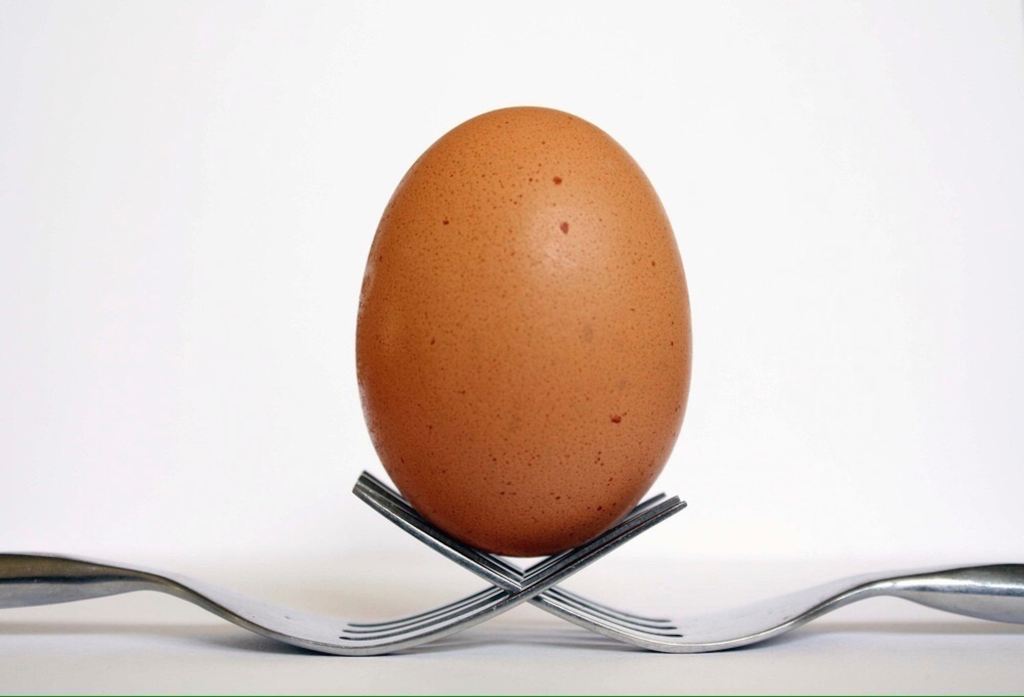
Eggs, and particularly their yolks have had a yoyo ride over the years, when it comes to the health industry and consuming good fats. They were once considered unhealthy, and to only be consumed rarely or avoided altogether due to the high cholesterol in the egg yolks.
However, new studies have shown that the cholesterol in eggs does not negatively affect the cholesterol in the blood, well at least not in most people. Eggs are a nutrient dense food which contain a variety of vitamins and minerals. They are high in protein, which can help you to stay fuller between meals and help you cut down on excess calories.
At the end of the day, eggs have had a bad rap in the past, but new studies have shown that eggs are a healthy addition to any diet. They are packed with so many beneficial nutrients such as B12, B6, vitamins A & D, minerals such as iron, calcium, zinc, and magnesium just to name a few. This little super food is at the top of my good fat list for a good reason.
Fatty fish
Fatty fish is often talked about when it comes to essential fatty acids, it is one of the best nutritional sources of animal protein when it comes to fats. This includes fish like wild caught salmon, trout, anchovies, mackerel, and sardines. These fish are loaded with the heart-healthy omega-3 fatty acids which are essential to the diet. Supplementation can be taken to ensure you are receiving the correct doses of omega 3 in the diet, especially if these fish sources are not available to you or you do not eat fish. The best supplement would be to take a cod liver oil supplement daily, or in a dose which is recommended by your practitioner.
Research shows that regular fatty fish consumption may benefit and regulate blood sugar levels, decrease heart disease, and enhance cognitive functions.
When purchasing your seafood, especially salmon, it is vital to be aware that not all salmon is fished equal. Today, most of the salmon you buy isn’t caught in the wild but bred on fish farms. Farmed salmon are fed processed fish feed, where wild salmon eat from their natural habitat. Both farmed and wild fish tend to ingest contaminants from the water they swim in and the food they eat.
And I must mention the whole mercury subject, although mercury is generally found in larger, longer-living seafood such as sharks and swordfish, salmon does also contain mercury, but it has a much lower concentration. Generally speaking, it is recommended to not eat excess of 3 portions a week of this type of fish, also including tuna.
Full fat yoghurt is a nutrient dense food, it is an excellent source of fat along with protein, probiotics, vitamins and minerals.
Studies show that good quality yogurt may also improve your digestive system.
It’s important to choose a good quality full-fat or whole-milk yogurt, preferably natural, Greek or a yoghurt with minimal added sugar. Generally speaking, steer clear of yoghurts with flavours or even fruits added to them.
Nuts
Nuts are at the top of the list when it comes to healthy fats, and when consumed in the diet they can have an incredible impact on overall health. This plant-based source of protein is also a good source of fibre, vitamin E, and magnesium. Some studies have shown that people who eat nuts tend to have a lower rate of obesity and a lower risk of heart disease. There are so many nuts which you could consume, but good sources of healthy fat to include would be almonds, walnuts, and macadamia nuts. These little crunchy treats may take you by surprise when it comes to their fat content, these are a snack and should be consumed moderately as they do contain a fabulous quantity of fat. So don’t go overindulging!
Chia seeds
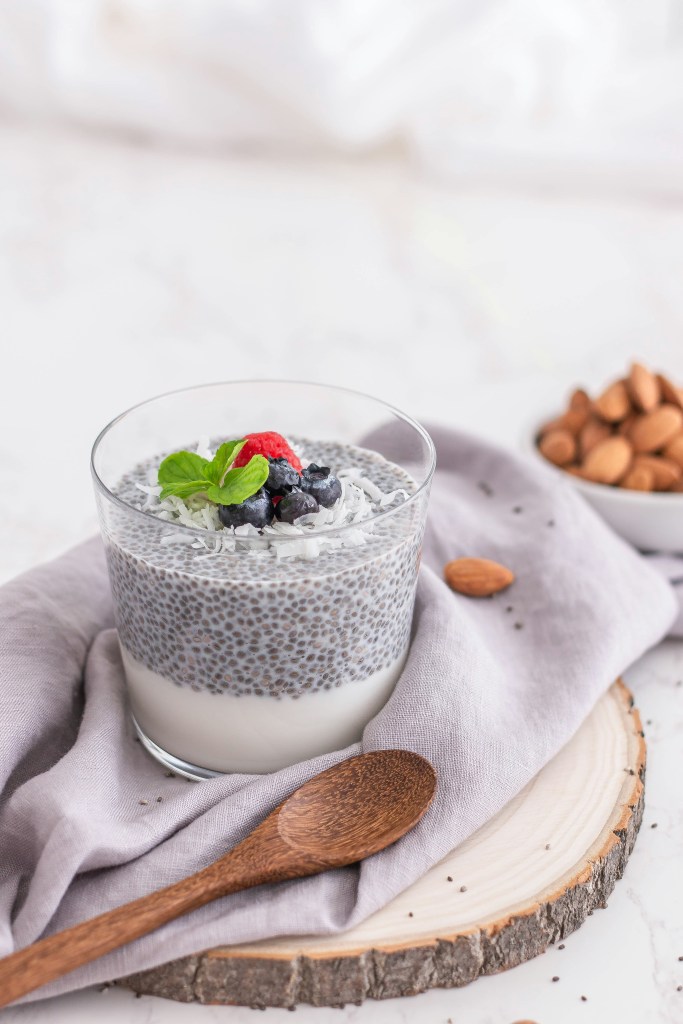
Chia seeds have a bit of a reputation as a super food Fad, super food they are, Fad they certainly are not – and for good reason, these amazing little seeds are basically a seed of goodness.
They are a great source of nutrients, fibre, carbs – most of the carbs in a chia seed is fibre, and of course fat – the majority of the fats in chia seeds consist of the heart-healthy, essential omega-3 fatty acid called alpha-linolenic acid (ALA).
Chia seeds may also have numerous health benefits, such as lowering blood pressure and having anti-inflammatory effects. Similar to nuts, they contain loads of fat, so take it easy with them, you won’t need more than a few teaspoons of dried seeds to give you, your required fat needs.
Extra virgin olive oil
Another fatty food that almost everyone agrees is healthy is extra virgin olive oil. It’s high in oleic acid, a fatty acid with powerful anti-inflammatory properties. And with many studies It has been shown to have numerous health benefits including being the heart health oil, assisting in blood sugar management and even with weight management.
Olive oil has probably become the most well-known oil when it comes to cooking and being used for salad dressings.

Types of fat
All food sources you may think of as fats such as butter, pastries and oils, are made up of fatty acids. Fatty acids fall into three categories:
- Monounsaturated
- Polyunsaturated
- Saturated.
While oils and fats contain a combination of these three types of fatty acids, they’re classified by the fatty acid with the highest content percentage. For example, olive oil is made mainly of monounsaturated fatty acids.
Choosing the right fats, when it comes to cooking will dramatically affect your health and your risk of heart disease. Generally speaking, choose monounsaturated and polyunsaturated fats, such as olive and macadamia oils, over saturated fats, like butter and lard.
Monounsaturated fats
Monounsaturated fats are liquid at room temperature but become semi-solid or cloudy in the refrigerator. Monounsaturated fats have been shown to help lower and improve blood cholesterol level and reduce the risk of heart disease.
Sources include:
- Olive oil
- Macadamia oil
- Avocado oil
- Peanut oil
- Canola oil (but this oil is generally aways made from GMO farming practices) so unless you can source an organic canola oil I would steer clear of this one. Just my opinion…
Polyunsaturated fats
Polyunsaturated fats are always liquid, even when refrigerated. When used in place of saturated fats, they can help improve blood cholesterol levels and reduce the risk of heart disease. Omega-3 fatty acids are polyunsaturated fats that lower triglyceride levels, improve heart health, and provide anti-inflammatory benefits.
Sources include:
- Sunflower oil
- Walnut oil
- Grapeseed oil
- Flaxseed
Saturated fats
Saturated fats are solid at room temperature. A diet high in saturated fats has been linked with elevated cholesterol levels and increased risk for heart disease, so it’s best to limit your use of them.
Sources include:
- Butter
- Lard
- Palm oil
- Coconut oil
Hydrogenated fats
Hydrogenated fats are solid at room temperature.
Hydrogenation is the chemical process that changes liquid oils into solid fats. Fully hydrogenated oils are primarily saturated fat. A diet high in saturated fats has been linked with elevated cholesterol levels and increased risk of heart disease, its best to limit consumption of these fats or eliminate them altogether.
Found in foods such as:
- Premade pie crusts
- Microwave popcorn
- Frozen pizza
- Refrigerated doughs for biscuits
- Commercially baked goods, cakes & biscuits
Trans fats
Most trans fats are formed through an industrial process that adds hydrogen to vegetable oil, which causes the oil to become solid at room temperature. Trace amounts also occur naturally in some meat and dairy products. Trans fats raise your low-density lipoprotein (bad) cholesterol and lower your high-density lipoprotein (good) cholesterol.
High LDL, along with low HDL levels, can increase your risk for heart disease and stroke. These fats are incredibly unhealthy, they cannot even be called a food source, these fats should be avoided at all costs.
Sources include:
- Found in the same food sources containing Hydrogenated fats
- Partially hydrogenated vegetable oils
- Margarine
Healthy fats to keep on hand
- Olive oil – in addition to being a source of monounsaturated fats, extra-virgin olive oil is also high in polyphenols, the antioxidants that have been linked to heart health. Olive oil works well for all cooking and is a wonderful addition for homemade salad dressing.
- Walnut oil – although this specialty oil is more expensive than olive, walnut oil has a rich, nutty flavour and boasts heart-healthy omega-3s. Walnut oil, as with all nut oils, has a short shelf life. Buy a small bottle and store it in your refrigerator for up to three months. The best uses include salad dressings, roasting or added to baked goods which will give it a light walnut flavour.
- Macadamia oil – this cholesterol free and a high source of monounsaturated fatty acids has a lovely, sweet nutty flavour which enhances natural food flavours. It is an essential ingredient for salad dressings, baking and frying. The oil has a high smoke point meaning it can be used for high temperature cooking such as stir fries. It retains its unique flavour throughout cooking and will not burn.
- Coconut – has become a popular fat choice for its rich flavour with a mild coconut aroma, even though this is a saturated fat, coconut oil has been added to the healthy fat list. Many of the health claims for coconut oil refer to research that coconut oil is made of 100% medium-chain triglycerides (MCTs). MCTs have a shorter chemical structure than other fats and are quickly absorbed and used by the body. After digestion, MCTs travel to the liver where they are immediately used for energy. The theory is that this quickly absorbed form promotes satiety and prevents fat storage. It has also been suggested that coconut oil is good for strengthening the immune system, preventing heart disease, dementia and Alzheimer’s disease. Best used in salad dressings, can be used for cooking and is a good addition when added to curries.
- Avocado oil – is rich in oleic acid (a monounsaturated omega-9 fatty acid), polyunsaturated fats, carotenoids, and other antioxidant-rich nutrients that are linked to improved heart, skin, and eye health. This oil is not one which is found abundantly in all grocery stores, you may find it in local or gourmet delis. Add this oil to salads and dressings.

What are Essential Fatty Acids (EFA)
Awareness towards the role of essential fatty acids in health and disease prevention has increasing significantly in the health world.
The consumption of rich sources of essential fatty acids has become a significant part of any healthy diet.
Studies have shown that essential fatty acids when eaten in the diet have positive influence on the reduction of cardiovascular health, infant development, cancer prevention, brain and vision functioning, arthritis, hypertension, diabetes and neurological disorders.
The term essential fatty acids (EFA) refers to those polyunsaturated fatty acids (PUFA) that must be provided by foods because these cannot be synthesised in the body yet are necessary for health. There are two families of EFA, omega-3 (ω-3) and omega-6 (ω-6).
Without getting too technical, Omega-3 fatty acids have in common a final carbon–carbon double bond in the ω-3 position i.e. the third bond from the methyl end of the fatty acid whereas ω-6 fatty acids have it in the ω-6 position i.e. the sixth bond from the methyl end of the fatty acid. The importance of ω-3 and ω-6 designation is that the end is never changed during physiological transformation in the human body as it is most stable energetically. The double bonds in these ω-3 fatty acids are in the cis-configuration i.e. the two hydrogen atoms are on the same side of the double bond. α-Linolenic acid (ALA), eicosapentaenoic acid (EPA) and docosahexaenoic acid (DHA) have various properties for which they can be classified as functional foods.
Sources of ALA, EPA and DHA
ALA
Alpha linolenic acid is abundant in flax seed and is present in small quantities in hemp, walnut, soybean and canola oil. It is mostly found in the chloroplast of green leafy vegetables.
EPA
Fish and fish oil are the richest sources of this fatty acid with contents ranging from 39 % to 50 % for both fresh and saltwater fish. EPA is a parent of series 3 eicosanoid hormones.
DHA
It is present in fish oil and red brown algae. It is a major brain fatty acid and is also found in eye retina. Brain is made up of about 65 % fat and out of this 50 % is DHA.
The bottom line
Although high-fat foods were once thought to be low in nutrients, research now shows that some fats do not pose the negative concerns for heart health that it once thought to.
Fat enhances the absorption of important nutrients, such as the fat-soluble vitamins A, D, E, and K. Adding fats such as olive oil, avocado oil or other type of heart healthy fat to your meal may help you better absorb these nutrients.
Additionally, naturally, high-fat foods may offer similar health benefits to their low-fat counterparts while being less processed. Although they are higher in calories, the high fat foods on this list can easily be part of a nutrient-dense, whole–food–based diet.
Don’t be scared of fats but be cautious of the fats you are reaching for, remember to steer clear of saturated, trans and hydronated fats. And consume the heart healthy mono and polyunsaturated fats.
And remember, like most things it is best to consume in moderation, unless you are on a specific diet such as a keto diet, it is important to eat a balanced and nutritious diet full of fruits, vegetables, proteins, fats and whole grains, with your total amount of fat being between 20-30% of your daily calories.
The entire contents of this website are based upon the opinion of the author, which has been researched through a variety of integrated health modalities.
The information on this website is not intended to replace the relationship with a qualified health care professional and is not intended as medical advice. The articles are intended as a sharing of knowledge and information from the research and experience which has come from a variety of health practitioners in their individual fields.
Kin daily, encourages you to make your own health care decisions based upon your personal health journey with the guidance of a qualified health care practitioner.
 dailykinhealth.com