What Does ‘Low Tox’ Mean and why is reducing your toxic load important?
The term ‘low tox’ stands for low toxins and is essentially reducing the amount of toxins or pollutants you are exposed to. Generally, this is by reducing the number of synthetic chemicals in our homes which will benefit your overall wellbeing while aiding our planet.
The low tox movement is essentially a holistic approach to everyday life with the goal of achieving a healthy mind, body, and planet. It aims to eliminate the harmful chemicals that litter our everyday lives whilst promoting a sustainable and rewarding way to live. From skin care, cleaning products, cookware, and foods this is a lifestyle change that is consciously touching our communities at a rapid pace.
Have you ever stopped to read the list of ingredients in the products you’re using in your everyday routine? Do you even know what any of those words mean?
We encounter chemicals in almost every product we use, in each room of our house, and wherever we step outside.
Becoming low tox involves a realistic approach to change and an emphasis on less is more.
However, jumping wholeheartedly into this lifestyle change can seem overwhelming, but please do not let that dishearten you or even stop you from starting the simple process, which will eventually become part of your daily routine. The easiest way to start, would be to initially changing one or two things a week, and before you know it, you will be on a roll.
I have broken down areas in your home which you can easily start reassessing and implementing the small changes into your daily routine:
Bathroom

This is a good place to start, anything that you put on your body is absorbed into the skin. So many of our personal care items are full of fragrances, phthalates (endocrine-disrupting agents), parabens (preservatives) and the potential carcinogen sodium lauryl sulphate (which gives shampoo and body wash the lather).
Although we have been told that most chemicals in cosmetics pose little or no risk, some have been linked to serious health problems, including cancer, reproductive and neurological harm, hormone imbalances and developmental delays. Cosmetic chemicals enter the body through the skin, inhalation, ingestion, and internal use, and pose the same risks as food chemicals.
I’m sure you have all heard the term your skin is your biggest organ, and this is why it is so important to know what your personal care products contain.
Maybe a quick and easy 1st step could be switching up your deodorant or toothpaste? Natural deodorants do not contain aluminium or any of the nasty chemicals your regular antiperspirant has in them, the natural deodorant will mask any bad smells, yet they are not an antiperspirant, meaning they don’t prevent perspiration, which is actually a good thing. The body wants to sweat, as this is our natural way of removing toxins from our bodies, especially important in the underarm area.
Look, there is no hiding that natural deodorants are more on the higher price point compared to normal deodorants, but they are worth the long-term health benefits.
And, I must admit, not all natural deodorants work the same, my experience with natural deodorant has been a long and challenging conquest, yet through my trial and error I have come up with these good, go to natural deodorant options:
- Noosa Basics Deodorant Stick, rose and frankincense
- ASUVI Angophora Deodorant
- Drunk Elephant Sweet Pitti Deodorant Cream
- Mukti Botanique Deodorant,
And then we come to beauty and facial products! Wow this industry is absolutely saturated with every fad and buzz word possibly available and some which have literally been made up on the spot!
There are so many brands on the market now, it can be a bit mind boggling.
I feel beauty products are a very personal choice, and it is very dependent on your skin type, yet beauty has almost become a contest of who can appear the most youthful and this comes at whatever the price tag is, and with no concern of the ingredients.
Woman who are reaching for the effortless appearance can still achieve this without the cost of toxic products caked onto your skin.
From entry level price points to the high end, depending on your budget or skin type. The below (just to name a few) will have you covered for all bathroom needs, shampoo & conditioner, body wash, deodorant, face wash & scrubs to all types of moisturisers and serums.
Natural Personal Care Products to switch up
This may possibly be one of your hardest changes at first to ensure ingredients are not toxic.
To start you want to look for products which do not contain parabens and SLS as these are very common ingredient in personal care products, but you may also want to be aware of fragrances, as these are just as nasty as the other chemicals.
My favourite APP for checking toxic levels on beauty products is (Think dirty) which allows you to search your beauty products by name or barcode to find out exactly how dirty (toxic) your product is!
Here is an easy guide to help you get started:
- Make up
- Make up removers
- Shampoo & condition, you may even want to change to a shampoo bar (this product is like a bar of soap, so no packaging, meaning it is good for the environment too)
- Body cleansers and hand soaps – again, move to a soap bar for environmental purposes
- All facial/ beauty products including body moisturisers – natural oils such as rosehip, jojoba, almond, coconut are also nice substitutes.
- Deodorant – aluminium free
- Perfumes – opt for essential oils and natural perfumes
- Shaving gels & razors – switching your razor from a disposable one to a reusable, use shaving bars instead of spray cans
- Hair styling products
- Nail polish – there are several brands available on the market
- Toothpaste & mouth washes
- Outdoor mosquito sprays – make your own with citronella and other essential oils
- Toilet paper – seek unfragranced and rolls wrapped in paper not plastic
- Hand sanitisers and wipes – unscented and biodegradable
kitchen
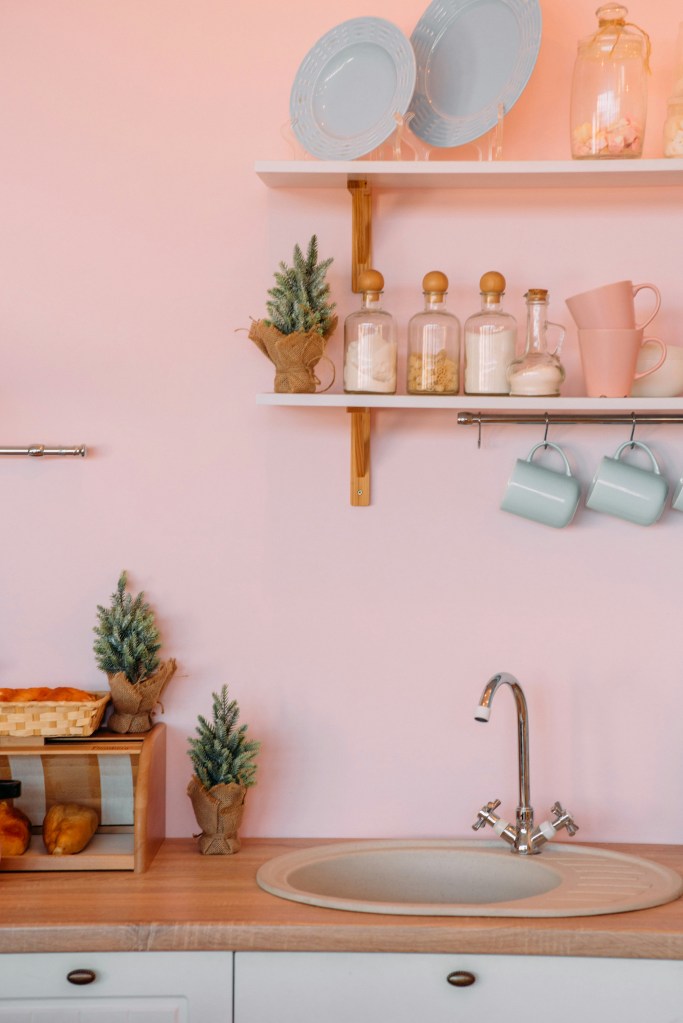
Now this is another big area in need for change, but this is not just with chemicals and ingredients, it is important to look at the utensils you cook with and store foods in.
Plastic is everywhere!!!! And it can be challenging to avoid completely, but with a little organisation and thought you can bring this simple change into your daily practices. By choosing less plastic you not only reduce the amount of plastic heading to landfill, but this reduces your exposure to things like micro-plastics.
Kitchen items you can swap out
- Try swapping out your plastic Tupperware containers for different materials like glass, ceramic or aluminium.
- Replace your plastic water bottle for an aluminium option. Take it with you when you leave the house.
- Remove Teflon cooking items with cast iron, enamel and stainless steel which are all safer alternatives to cook with.
- Swap out plastic chopping boards for hardwood chopping boards.
- Use stainless-steel and wooden utensils.
- Baking paper may be bleached and contain toxic dioxin, so it is better to grease your stainless-steel oven tray with butter or look for an all-natural paper alternative.
- Remove throw away plastic wrap and any single use plastic
Food
When you start looking at your diet and the foods you are consuming, it is essential to start removing highly processed, manufactured foods containing synthetic additives. When shopping at the grocery store, opt for organic foods where possible and read the ingredients list, take note of additives and colours listed in the ingredients. Look at our write up on reading nutrition labels for more info.
This also includes fresh produce, is it covered in pesticides?
Growing your own veggies, buying spray-free/organic where possible, shopping at your local farmers market and cleaning produce with vinegar or bicarb soda are all options. Spraying fruit such as apples with white vinegar, leaving for two minutes then scrubbing with a scouring brush or for more delicate produce, such as berries these can be sprayed, soaked and rinsed.
There are several food items which will absorb pesticides more than other foods, they have been nick named the dirty dozen.
- Strawberries
- Spinach
- Kale, collard, and mustard greens
- Grapes
- Peaches
- Pears
- Nectarines
- Apples
- Bell and hot peppers
- Cherries
- Blueberries
- Green beans

On the flip side, it’s not all doom and gloom, there is a clean 15 foods list. Which ranks fruits and vegetables “with very low or no pesticide residues.
Here’s the complete Clean Fifteen ranking
- Avocados
- Sweet corn
- Pineapple
- Onions
- Papaya
- Sweet peas (frozen)
- Asparagus
- Honeydew melons
- Kiwi
- Cabbages
- Watermelon
- Mushrooms
- Mangoes
- Sweet potatoes
- Carrots
Cleaning products
And then finally, cleaning products can be just as confusing. You want to ensure you are using product which actually remove bacteria and clean grim. But the fact that many cleaning products aren’t required to list harmful and dangerous chemicals in their ingredients list in itself is disturbing.
Toxic cleaning and laundry products aren’t only bad for us, they risk polluting our waterways.
Thankfully, choosing a natural alternative, derived from plants that don’t contain petrochemical cleansers and fragrances can be found in your supermarket, health food shops and online at a reasonable price tag.
Having you covered in all areas from the laundry through to the bathroom and kitchen, below I have named a few brands, but this industry is booming with natural cleaning products:
Cleaning Products to start changing out
- Dish liquid and dishwasher tablets
- Household sponges and wipes. use reusable/washable cloths
- Laundry liquid including soaking chemicals
- Surface sprays
- Window cleaners
- Bleaches and toilet cleaner
- Floor cleaner
- Car cleaning products

Alternatively, when it comes to cleaning, you can make your own cleaning products with bicarb soda, vinegar, and essential oils.
DIY All-Purpose Cleaner Recipe
- 1/4 cup vinegar.
- 12-20 drops essential oil.
- 1 tsp castile soap (A mild high-quality soap made from vegetable oils)
- 2 cups boiled or distilled water.
or
- 1⁄2 cup vinegar.
- 1⁄4 cup bicarb soda.
- 2 cups boiled or distilled water.
- Fill cleaning spray bottle with distilled or boiled (cooled) water.
- Add all other ingredients. Shake well.
For very light jobs, you can also just use baking soda with water or 1 ⁄2 cup vinegar mixed with water.
Home wears
We all love a fresh, smelling home and sometimes this does come at a toxic fragrance cost, Candles & room sprays are often forgotten when it comes to removing toxins in our homes, and this is one of the quickest changes you can make. Most candles and room sprays are made with a man-made synthetic fragrance, this is not talked about enough, but fragrance is a silent hormone disrupter.
Home fragrances to start changing out
- Use paraben free candles
- Bees wax candles are best, they have their own natural honey smell
- Soy candles, but make sure they do not contain synthetic fragrance
- Candles with no fragrance – or scented with essential oils only
- Alternatively, burn essential oils in an oil burner or diffuser
- Burn non-toxic incense stick
Naturally improve your home air quality
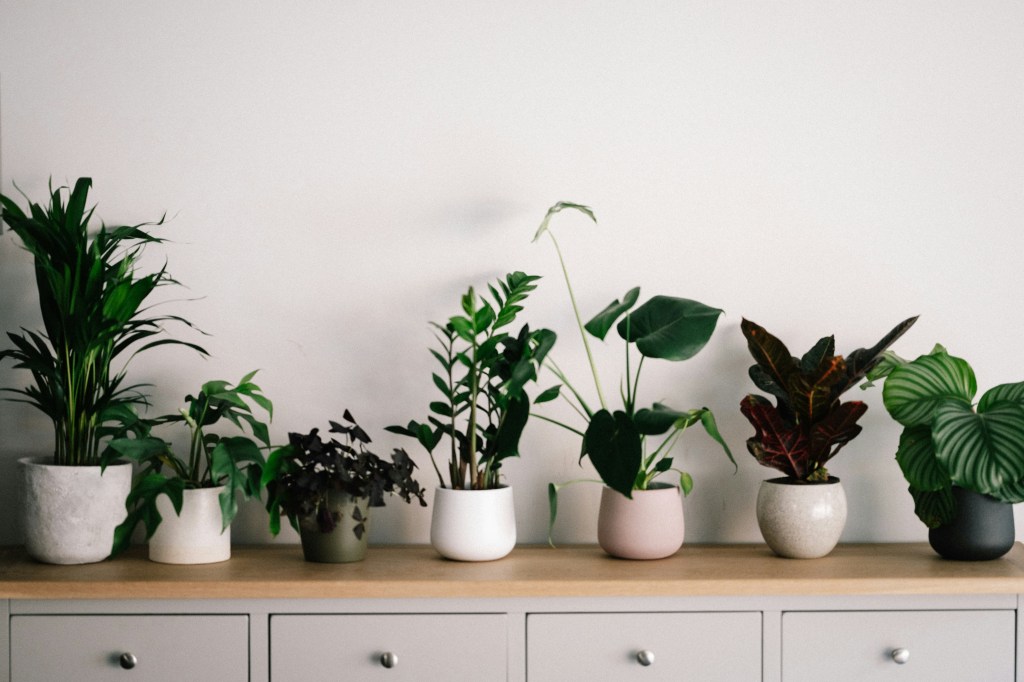
Plants, yes plants!
Not only are they aesthetically pleasing, but studies have shown that they reduce stress, boost moods, increase creativity and most importantly plants are amazing at absorbing toxins! They release oxygen and absorb carbon dioxide and purify the air around you. Plants are ideal in all living rooms such as the kitchen, office, bathroom, and bedrooms.
The best indoor plants are
- Peace lily
- Rubber plant
- Snake plants
- Ferns
- pothos
bottom line, why to make the low tox change?
Most synthetic products are produced from petrochemicals. These toxic chemicals are produced from fossil fuels, like coal and oil which are not only harmful for our bodies but are a key contributor to climate change. They have been linked to cancer, are known to disrupt hormones, lower sperm counts, irritate skin, and even contribute to obesity.
By removing certain synthetic chemicals like parabens and bleach from our homes, means that we reduce the risk of these health issues.
No one can tell us for sure what repeated daily exposure to these substances might be doing to our bodies, but there is a consumer-led movement to start eliminating them from our lives.
Please be aware, that some products will try to fool you in thinking that they are all natural by claiming to be organic or botanical when they most certainly are not. Read the labels – know your stuff.
Now if this is getting you thinking about what products you have under the kitchen sink, well, this may be the tip of the iceberg for you. Remember, just start slowly, you could start with products as you run out of them, replacing them with a natural alternative, or by making changes from room to room, the choice is yours!
And this is not just about the chemicals causing toxic overloads, it is replacing old habits with new.
Low tox is also the lifestyle change of including sustainable practices such as no longer using single use plastics anymore, which are contributing to landfill and environmental impacts.
It is being mindful in your day-to-day life, teaching your children about recycling, reusing glass jars in your kitchen, using all the food you buy, composting, growing your own produce, being water wise, turning off power when you are not using it, and the list goes on!
And finally, if you would like a big shake up and are ready for a full lifestyle change up, I recommend you getting your hands on a great book written by Alexx Stuart, called Low Tox Life. Alexx has covered all the basics, it is actually life changing and will get you excited about your lifestyle habits.
The low tox guru, is full of great ideas. Alexx lives by the rule of three questions she asks herself with every product she uses.
- How is it made?
- What is it made of?
- Am I okay with that?
Which is a good starting point to go from.
I would also like to add, that when shopping online with most of these products I have mentioned, majority of the websites are offering a discount off your 1st order, which is a nice little bonus.
Some of our favourite go to’s
We love to follow on Instagram
- @drmercola
- @foodmatters
- @drmarkhyman
- @lowtoxlife
- @kyliepinwill_hormones
- @drericberg
- @permaculturemagazine
- @mindbodygreen
- @functionhealth
Our favourite reading
- Low tox Life, Alexx Stuart
- The New Organic Grower, Eliot Coleman
- Homemade Organic Skin & Body Care, Carmen Reeves
Our favourite apps to help you stay low tox
Our favourite low tox makeup brands
Our favourite low tox beauty brands
Our favourite deodorants
- Noosa Basics deodorant stick, rose and frankincense
- ASUVI Angophora Deodorant
- drunk elephant sweet pitti deodorant cream
- Mukti Botanique Deodorant,
Our favourite toothpaste
- Red Seal herbal fresh toothpaste
- Grants toothpaste
- Ecostore complete care toothpaste
- MooGoo natural Mooth paste
Our favourite cleaning products
Our favourite essential oils
Our favourite fragrances
Our favourite Tupperware
Our favourite organic gardening web sites
chemicals to be aware of
- Ammonia
- Benzalkonium chloride
- 2-butoxyethanol
- Phthalates
- Sodium lauryl sulphate (SLS)
- Fragrance
- Formaldehyde, a known carcinogen.
- Paraformaldehyde, a type of formaldehyde.
- Methylene glycol, a type of formaldehyde.
- Quaternium 15, which releases formaldehyde.
- Mercury, which can damage the kidneys and nervous system.
- Dibutyl and diethylhexyl phthalates, which disrupt hormones and damage the reproductive system.
- Isobutyl and isopropyl parabens, which disrupt hormones and harm the reproductive system.
- The long-chain per- and polyfluoroalkyl substances known as PFAS, which have been linked to cancer.
- M- and o-phenylenediamine, used in hair dyes.

The entire contents of this website are based upon the opinion of the author, which has been researched through a variety of integrated health modalities.
The information on this website is not intended to replace the relationship with a qualified health care professional and is not intended as medical advice. The articles are intended as a sharing of knowledge and information from the research and experience which has come from a variety of health practitioners in their individual fields.
Kin daily, encourages you to make your own health care decisions based upon your personal health journey with the guidance of a qualified health care practitioner.

 dailykinhealth.com