
Where to begin?
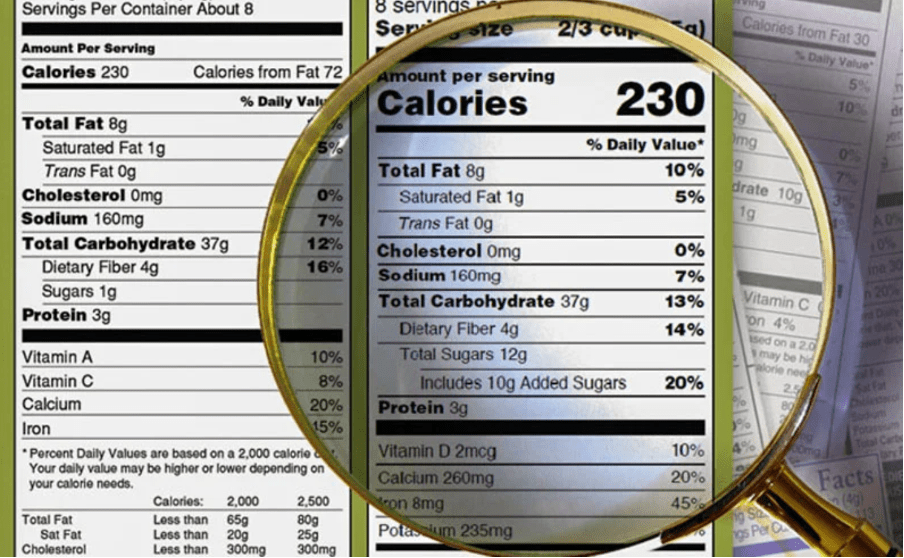
The nutritional panel is “the most valuable part” of the whole label on your processed/packaged food.
Whether you are calorie counting or just curious as to what’s in your packaged keto protein bar? How do you know exactly what you are eating in your processed foods and whether they are providing any nutritional purpose to your diet?
Sure, read the nutritional label…It may sound simple, but reading this information doesn’t mean it is that easy to comprehend.
In Australia we call this label the – Nutrition information panel (NIP), this information has become standard on all processed food labels, and this is where the ingredient and the nutritional value of the food can be found. This information will vary from country to country and reading this list can sometimes be confusing at the best of times, and if you don’t know exactly what you’re looking for, trying to make sense of them can feel like a waste of time.
But it doesn’t have to be that way. Even though nutrition labels are a bounty full of information, you really only need to pay attention to a few of the listed items to figure out if your food is going to add some form of nutrient goodness to your day or if it is just packed full of empty calories. At a glance, consumers can know the amount of energy, protein, fat, carbohydrate, including sugar, and sodium in a product.
A NIP will also include information about other nutrients if a claim is made, such as if a food is a “high source of calcium or high in fibre” claim, then the amount of dietary calcium or fibre in the food must be shown in the NIP.
In Australia there are several items which must be stated on a food label, and this is even before we get into the specifics of its contents.
What makes up a food label:
- Nutritional panel
- Percentage labelling
- General identifying information
- Allergy and intolerance information
- Date marking
- Ingredients list
- Weights and measures information
- Additives
- Directions for use and storage
- Legibility requirements
- Country of origin
- Nutrition and health claims
Let’s break this information down into easy-to-understand bite size pieces
Serving size
Understanding your portion size is certainly the 1st item you need to have a clear understanding about, the serving size is explained clearly at the very top of the NIP graph, for example, it will let you know how many serving sizes are in the packet and then will break it down to the recommended serving size. A serving size of processed foods is generally…. Not the whole packet of Tim Tams, so take time to read this before going crazy on your binge feast!
Serving sizes are usually measured out in standard units, which shows the average quantity per serving and per 100 g, or 100 mL if a liquid.
Example: packet of biscuits may contain 6 serving sizes, and 2 biscuits is equal to the serving size – so when you are reading how many calories are per serving this is for the 2 biscuits ONLY…. If you eat 6 biscuits, you have just consumed 3 serving sizes and a load more calories.
The serving size is on the label for a reason and is important to keep in mind, if you see 100 calories per serving on the label and uncontrollably eat the entire box, you will most likely be eating much more than you were intending to, and this is ok to do so every now and then, hey we are all human and we may have a weakness for certain cravings from time to time, yet if you are trying to monitor your calorie intake whether it is for weight loss, weight gain, specific controlled diets for disease or maintenance in your health, it is important to know your serving amount, and have some form of control.
Calories/Kj/energy value
The energy value is the total amount of kilojoules that is released when food is used by the body. Whether it is protein, fat, carbohydrate, dietary fibre, and alcohol, all provide energy (kilojoules).
If you are like most people, generally you will look at these numbers first on the nutritional label! This can either be a huge, big scary number depending where you’re sitting with your calorie intake, or hey it could just depend how you’re feeling on the day? maybe you are willing to risk a little spike in the diet or not! Even though calories seem to be ruling our choices of what we are eating on a daily basis, before calorie counting, perhaps it is more important to look at where these calories are coming from?
Your chocolate bar may have the same calories as your protein bar, but can you identify why they have the same calories and the difference in the nutrients or sugar dense options you are fuelling up with?
It all comes down to the smaller details on your nutritional label, such as proteins, fibre, fats (the type of fat), carbohydrates (once again, the type of carbs)
Counting calories can be a great habit to get into to monitor your daily intake, yet it can also become an obsession and it is a bit of a recreational hobby on its own these days. It is equally important to eat mindfully, choosing good quality foods full of high-quality proteins, fruits & vegetables, healthy fats such as omegas, nutrient dense carbohydrates (found in whole grains, fruits and vegetables), and lots of water.
Keeping in mind to limit processed foods to every now and then, which generally have very minimal nutrients in them, while listening to your body’s needs.
It is also important to understand calorie counting or a lack of calorie counting can lead to certain eating disorders which ultimately will lead to poor nutrition, so balance is vital. Understanding how much energy you are putting out each day V’s how much energy your body will need to consume to obtain optimal health is super important.
Talking to your health professional or nutritionist can give you some clarity to understanding this balance along with even using a calorie counter, to help you understand the ratio of energy consumed to energy burned, along with a breakdown of macro nutrients consumed daily is a very valuable tool for your eating plans.
Apps:
- Simple life https://simple-life-app.com/survey/w-loss-goals (free)
- My net diary https://www.mynetdiary.com (free option + subscription)
- Cronometre https://cronometer.com (subscription)
Fats
In Australia, fat is listed in the NIP as total fat with the exception of saturated fats, which has its own section on the label. This is the total of the trans-fat, polyunsaturated fats and monounsaturated fats in the food, some labels will break these fats down to their individual type.
The average quantity must be declared in the NIP if a nutrition claim is made about any of the following:
- Cholesterol
- Saturated fats
- Trans fat
- Polyunsaturated fats
- Monounsaturated fats
- Omega-3, omega-6 or omega-9 fatty acids
Saturated fat is the evil kind of fat you will find in certain meat products such as hot dogs and burgers, eating a lot of this type of food is not recommended, it can lead to numerous health conditions, including boosting your risk for heart disease.
Trans fat is the kind that’s added to processed, packaged foods like crackers and cookies. It’s an artificial fat made by adding hydrogen to vegetable oil to solidify it. Trans fat makes snack foods taste good and extends their shelf life.
Both of these types of fat can be dangerous to your health if over consumed as they can raises levels of LDL cholesterol, which is associated with an increased risk of cardiovascular disease, it is commonly associated with diabetes and hypertension.
Yet Fat is not all that bad! It may have a bad rap in the health industry however, dietary fat is also a vital part of a nutrient dense diet and it is recommended that 20% of our daily macro intake is from dietary fat, that is the “good fats” such as omega 3,6 & 9.
Omega-3 fats are essential fats, also referred to as essential fatty acids, these have important benefits for your heart, brain, and metabolism, they are polyunsaturated fats, a type of fat your body can’t make, the term “polyunsaturated” refers to their chemical structure. Along with omega-6 fats providing your body with energy, most people don’t consume enough omegas. And then there are the Omega-9 fats, these are nonessential fats that your body can produce.
The bottom line is, watch which fat you are consuming and don’t be afraid of fats, just be mindful which ones you choose and not to overdo them!

Cholesterol
Wow, well we are just going all out with the things to avoid on this nutritional label aren’t we!!
This sticky, fatty substance comes from foods like meat, whole milk, shellfish, butter, and egg yolks. Though cholesterol may sound like a death trap, you actually do need some cholesterol for your body to make hormones and vitamin D. Your body does actually need cholesterol, yet this subject has become confusing over time with cholesterol been labelled as bad! The thing is, you need to choose the healthy options of cholesterol. As consuming too much of it can cause havoc in the body, cling to your artery walls and increase your risk for heart disease. That’s why you want to aim low when you’re looking at food labels.
Choosing foods like whole eggs (which contain loads of other nutrients) is a good way to consume cholesterol in ways that benefit you.
Also a great tip to lower blood cholesterol, is to eat a diet rich in phytochemical fighting foods which are found in plants and fruits, these are associated with preventive properties against several human diseases and their management with cholesterol.
There are 2 types of cholesterol.
- LDL cholesterol is often called “bad cholesterol.” It carries cholesterol to your arteries. If your levels of LDL cholesterol are too high, it can build up on the walls of your arteries.
- HDL cholesterol is sometimes called “good cholesterol.” It helps return LDL cholesterol to your liver to be removed from your body. This helps prevent cholesterol plaque from building up in your arteries.
When you have healthy levels of HDL cholesterol, it can help lower your risk of blood clots, heart disease, and stroke.
High cholesterol is a serious health issue, and it can affect a wide range of the population especially in people with the below lifestyle habits:
- Are living with obesity
- Consume a lot of saturated and trans fats
- Have limited physical activity
- Smoke tobacco
- Have a family history of high cholesterol
- Have diabetes, kidney disease, or hypothyroidism
Eating too many foods that are high in cholesterol, saturated fats, and trans fats may increase your risk of developing high cholesterol and increase your risk for heart disease. That’s why you want to aim low when you’re looking at food labels.
Sodium: a component of salt
Sodium, Also known as sodium chloride (NaCl), it comprises 40% sodium and 60% chloride.
There are many types of salt available these days with popular varieties including plain table salt (which can have additives of iodine added), Himalayan pink salt, Celtic Sea salt and plain sea salt. These may vary in taste, texture, and colour.
Sodium is actual a vital part of our diet, that is when we consume good quality salt at the recommended daily intake!
Your body needs salt to function properly, it is necessary for many essential body functions, including fluid balance, nerve health, nutrient absorption, and muscle function.
However, consuming too much or too little sodium can lead to medical problems. To avoid this, check food labels to make sure you’re not consuming too much and eat a balanced diet. It is recommended that adults have no more than 2,000 milligrams of sodium each day, which is equivalent to about 5 grams of salt or 1 teaspoon.
When consumed in overdrive salt has negative affects to our health and high levels have been linked with high blood pressure and stroke, which is why it is included in the nutrition information panel. Most people consume far too much salt than what we require daily, and this is due to the packaged and processed foods which we have introduced into our lifestyles, foods such as fast food, package chips, biscuits, frozen meals, condiments and don’t be fooled – “health food”, all contain more salt than what we actually need, and why is this? Because it makes food taste good!
While too much salt can be harmful, so can too little. Some evidence suggests that a low salt diet can cause low blood pressure, dehydration, low sodium levels, and elevated blood fat levels.
Low blood pressure or hypotension is when your blood pressure is lower than normal. Hypotension can be dangerous. Some of the signs and symptoms include dizziness, nausea, fainting, blurred vision, depression, and dehydration.
So basically, keep salt intake not too low, yet not to high, find your happy medium and if in doubt that you may be consuming way to much sodium, then it is a good idea to try to curb this somewhat addictive addition we have become so accustomed to adding to our meals.
Carbs
Carbohydrates! Oh my oh my… These have had an awfully bad wrap over the years, probably a worse reputation than your ex-boyfriend, and that’s saying alot… Eeek!
In the nutritional world, carbohydrates are possibly one of the most controversial topics! Low carb diets have been the centre of attention for well over a decade in the nutrition and health world. And yes, it is true that cutting carbs can help with weight loss and health improvements for some people, mostly due to the calorie restrictions. However, one of the primary functions of carbohydrates is to provide the body with energy, it is recommended that 40% – 50% of our daily macronutrient intake is from carbohydrates, so when it comes to trying to avoid carbs, this can be a whole job on its own. Carbs are in a lot of food which we consume daily and can be found in health foods, gluten free, dairy free, basically everything except a hard core keto or paleo meal.
Carbohydrates do however sit in several of their own fields, including fibre, sugar, and starches. And when reading how much you are consuming off your food label NIP carbohydrates will be specified in the above 3 sections.
Basically, sugar is not what we are aiming for here, however when it comes to fibre, unlike sugars and starch, fibre is not broken down into glucose. Instead, this type of carbohydrate passes through the body promoting digestive health and creating a more satisfied full feeling after consuming, it can also lead to lower blood sugar levels after consuming.
Keep in mind when consuming carbs that sugars and starches will raise your blood sugar, while fibre does not.
Meanwhile the general population may be carb counting for reasons to do with their waist line, it is vital if you have a health condition such as diabetes that you too need to be super aware of the type of carbohydrates you are consuming and the quantity, as you need to keep your blood sugar levels locked into an ideal measure to avoid any spikes or drops in your blood sugar levels.
A diet needs to be nutritionally balanced, including the proper amount and type of carbs, keeping carbs too low can have its own health issues both physiological and metabolically. This is not true for everyone out there, yet carbs have their role in the diet for a reason and when any diet is severely restricted from calories, including various low carb diets, some woman can have unusual health problems over time, such as certain hormonal disruptions including irregular menstrual cycles, interference with cortisol and testosterone levels, PCOS, adrenal fatigue, Hashimoto’s along with mood swings.
Look, at the end of the day, your health decisions are up to you and how your body feels. Some people believe eating fewer carbs is the way to optimal health and others prefer a higher carb diet, maybe moderation is the way to go?
If you are eating carbs, aim for complex carbs like fibre rich fruits and vegetables and whole grains in your diet these burn slower allowing your blood sugar levels not to spike.
Wherever you fall in this debate, it is no secret that carbohydrates play an important role in the human body, they serve several key functions in the body, provide energy for daily tasks and are the primary fuel source for your brains high energy demand, so don’t jump on the low-carb bandwagon without consulting your health professional and remember, not all carbs are created equal but eliminating them completely can backfire.
Fibre: Dietary fibre
The nutrition information panel does not need to include fibre unless a nutrition claim is made on the label about fibre, for example ‘high in fibre’. Yet this carbohydrate is actually the silent macro that should be getting more recognition!
Fibre is not talked about enough, Growing evidence shows that adequate fibre intake may benefit your digestion, by feeding the “good” bacteria in the intestine, functioning as prebiotics. Certain types of fibre can help you lose weight by reducing your appetite, slowing the absorption of nutrients, and increasing feelings of fullness. And fibre has also been found to reduce the risk of certain chronic diseases and cholesterol.
If your packaged food is stating it has fibre in it, then this is a good thing to look for, it means that it actually has some form of nutritional benefit to it.
Recommended daily intake for adults is at least 30 grams of fibre daily. Yet it is always good to check with your health professional if you have any questions or concerns.
Put simply, dietary fibre is a non-digestible carbohydrate found in foods, generally fruits, vegetables, and whole grains yet another reason to eat your veggies!
It’s split into two categories based on its water solubility:
- Soluble fibre: dissolves in water and can be metabolised by the “good” bacteria in the gut.
- Insoluble fibre: does not dissolve in water.
At the end of the day, you cannot rely on packaged foods to provide you with the adequate daily intake of fibre, you will either need to consume fibre through diet or a dietary supplement.
Sugars
Sugars are yet another type of carbohydrate and these are certainly listed on all nutritional labels. The amount of sugars includes naturally occurring sugars, such as those found in fruit, and added sugar. Note that products with ‘no added sugar’ nutrition claims may contain high levels of natural sugars.
Added sugar is something you want to eat less of in general, this is a product which manufacturers put in their products to make them sweeter, and is basically an ingredient in all confectionary, cereals, baked goods, condiments and desserts just to name a few.
Natural sugar comes in foods like milk (lactose), and fruit (fructose). Added sugars can go by dozens of names. A few of the most common are high fructose corn syrup or anything ending in “ose” (like glucose, fructose, sucrose, dextrose, and maltose).
Other sources of added sugar — like agave nectar, molasses, maple syrup, cane juice, coconut sugar, or brown rice syrup – yes you guessed it, are all sugars too! No matter where it comes from, these added sugars can affect your body like regular sugar. Too much of it will affect your overall health and can lead to health problems such as obesity and diabetes.
And don’t forget about artificial sweeteners! The only difference between these is if they are zero calorie, they will not be listed in the sugar grams.
It is almost impossible to Find a cereal, snack bar, protein bar or even a juice with 0 grams of sugar, instead it might be easier to try to source a product which contain as little added sugar as possible. Your goal: Look for food that contains fewer grams of sugar than fibre, and if in doubt go without.

Protein
Protein is an essential macronutrient for a healthy diet, it is recommended to consume 30% of your daily food intake as protein. And when I find a product with nutritional protein in the ingredient list, this actually excites me, this can be the all mighty holy grail of foods!
Protein is vital for just about everything that occurs in your body. You need it for energy, growth, cell repair, building your body’s tissues, it drives metabolic reactions, maintains pH and fluid balance, and keeps the immune system strong. It also transports and stores nutrients and can act as an energy source. Proteins are what creates the thousands of Biochemical Reactions within your body. Your body cannot make essential proteins, these must be consumed in the diet.
Most people do get an adequate intake of protein; however, it is important to be consuming high quality sources such as organic/grass fed meat, sustainably caught fish, pasture raised poultry & eggs, organic beans & legumes, organic tofu and soy, organic dairy, certain vegetables, nuts and seeds daily to ensure your meeting your nutritional needs. Keeping in mind, all protein is not equal, so it is important to have a clear understanding of how much protein is in each portion of your preferred dish so you can ensure you are getting your correct dose.
Everyone’s protein needs are different. This is dependent on age, the amount of energy you are exuding, if you are male or female and whether you are pregnant or breast feeding. Protein will benefit your diet by satiating you for each meal, generally creating more satisfaction after a meal so you will not feel the need to binge snack after, this in itself creates a healthier lifestyle and diet.
Ingredient list
All processed products must state the ingredient list. Food items must be listed in descending order (by ingoing weight). So if an ingredient is listed near the start of the list, then the food contains more of this ingredient than others lower down the list.
“Food labels must show the percentage of the key or characterising ingredients or components in the food,” according to FSANZ.
If it’s called or characterised as a strawberry product, manufacturers have to tell us just how much strawberry is in there.

Food additives
Food additives are not actual food, they are chemical products which have been designed to add to food, for additional colour, taste, and longevity of processed foods.
Food additives must be identified in the ingredient list, usually by their
class name (e.g., ‘thickener’ or ‘colour’) followed by the food additive name or number.
A full list of food additive, names and numbers is available from the below links:
https://www.foodstandards.gov.au/consumer/additives
https://www.foodstandards.gov.au/consumer/chemicals
Controversial additives:
The additives in question are from the following key categories:
- Colours (code numbers in the 100 range), which add or restore colour to foods.
- Preservatives (200 range), which help protect against food deterioration caused by micro-organisms.
- Antioxidants (300 range), which slow or prevent the oxidative deterioration of foods, such as when fats and oils go rancid
- Artificial sweeteners (including intense sweeteners in the 900 range and bulk sweeteners such as sorbitol, 420), which create a sweet taste for fewer kilojoules than sugar.
- Flavour enhancers (mainly in the 600 range), which improve the flavour and/or aroma of food.
8 Food additives to be cautious of:
1. Monosodium Glutamate (MSG)
MSG is a common food additive used to intensify and enhance the flavour of savory dishes.
It’s found in a variety of processed foods like frozen dinners, snacks and canned soups. It’s also often added to foods at restaurants and fast-food restaurants.
MSG has been a subject of controversy since a 1969 study of mice found that large amounts caused harmful neurological effects and impaired growth and development. MSG consumption has also been associated with weight gain and metabolic syndrome in some observational studies, although other research has found no association.
MSG sensitivity is a common effect in some people where they may experience symptoms like headaches, sweating and numbness after eating a large amount.
2. Artificial Food Colouring
The concern over artificial colours was fuelled by a UK government-funded study in 2010, which concluded that a mixture of colourings and the preservative sodium benzoate (211) could be linked to increased hyperactivity in some children.
The colours studied were tartrazine (102), quinoline yellow (104), sunset yellow FCF (110), carmoisine (122), ponceau 4R (124) and allura red AC (129).
Artificial food colouring is used to brighten and improve the appearance of everything from candies to condiments.Specific food dyes like Blue 1, Red 40, Yellow 5 and Yellow 6 have been associated with allergic reactions in some people. Concerns have also been raised about the potential cancer-causing effects of certain food dyes.
Food dyes are found primarily in processed foods, which should be limited in a healthy diet. Always opt for whole foods, which are higher in important nutrients and naturally free of artificial food colouring.
In Australia, the supermarket chain Aldi has removed these six colours from its own-brand products, as well as eight more colours: amaranth purple (123), erythrosine cherry red (127), indigo blue (132), brilliant blue (133), green (142, 143), black (151) and brown (155).
Still, more research is needed to evaluate the safety and potential health effects of artificial food colouring for humans.
3. Sodium Nitrite
Sodium nitrite is a common ingredient in processed meats that can be converted to harmful compounds called nitrosamine. A higher intake of nitrites can be linked to higher risk of several types of cancer.
When exposed to high heat and in the presence of amino acids, nitrites can turn into nitrosamine, a compound that can have many negative effects on health.
4. High-Fructose Corn Syrup
High-fructose corn syrup is a sweetener made from corn. It’s frequently found in soda, juice, candy, breakfast cereals and snack foods.
High fructose corn syrup is associated with weight gain, diabetes and inflammation. It is basically an empty calory which contributes to no dietary nutritional needs. It’s rich in a type of simple sugar called fructose, which can cause serious health issues when consumed in high amounts.
5. Artificial Sweeteners
Artificial sweeteners are used in many diet foods and beverages to enhance sweetness while reducing calorie content.
Common types of artificial sweeteners include aspartame, sucralose, saccharin and acesulfame potassium.
Certain types of artificial sweeteners like aspartame may cause headaches in some people, and studies show that certain individuals may be more sensitive to its effects.
6. Sodium Benzoate
Sodium benzoate is a preservative often added to carbonated drinks and acidic foods like salad dressings, pickles, fruit juices and condiments.
It has been generally recognised as safe, but several studies have uncovered potential side effects that should be considered. one study found that combining sodium benzoate with artificial food colouring increased hyperactivity in 3-year-old children, while another study showed that a higher intake of beverages containing sodium benzoate was associated with more symptoms of ADHD.
When combined with vitamin C, sodium benzoate can also be converted into a benzene, a compound that may be associated with cancer development. Carbonated beverages contain the highest concentration of benzene, and diet or sugar-free beverages are even more prone to benzene formation.
7. Artificial Flavouring
Artificial flavours are basically chemicals designed to mimic the taste of other ingredients.
They can be used to imitate a variety of different flavours, from popcorn and caramel to fruit and beyond.
Animal studies have found that these synthetic flavours could have some concerning effects on health.
8. Yeast Extract
Yeast extract, also called autolyzed yeast extract or hydrolysed yeast extract, is added to certain savory foods like cheese, soy sauce and salty snacks to boost the flavour.
Yeast extract contains glutamate, which is a type of naturally occurring amino acid found in many foods.
Much like (MSG), eating foods with glutamate may cause mild symptoms like headaches, numbness and swelling in people who are sensitive to its effects.
Food allergies
Some food ingredients and substances can cause severe allergic reactions and must be declared when present in a food. These ingredients are peanuts, tree nuts (e.g., cashews, almonds, and walnuts), crustacea, fish, milk, eggs, sesame, soybeans, wheat, and gluten.
Sulphites (if added at 10 mg or more per kg of food) and cereals containing gluten (e.g., wheat, oats, barley, rye and spelt) also need to be declared.
Country of origin
Australia and New Zealand have different country of origin labelling requirements.
In Australia, the country of origin of packaged and some unpackaged
foods must be stated on the label.
Read more about country-of-origin labelling on the Australian Competition and Consumer Commission website at www.accc.gov.au
Date marking
In Australia we use 2 different date marking terms, so to set this information clear, see below:
Used-by date: Foods that should be eaten before a certain date for health or safety reasons.
Best-before date: Required on foods that have a shelf life of less than two years.
(And yes, it might still be good after the best-before date, but the nutritional values might have changed.)
bottom line
Healthy eating can seem super complicated — especially when you’re trying to navigate the rows and rows of packaged foods on the shelf. The nutrition label takes a lot of the guesswork out of figuring out which products will give you the most nutritional bang for your buck.
Healthy eating really is a numbers game. When it comes to nutrients like vitamins, minerals, and fibre, go high.
With unhealthy stuff like fat, sodium, and sugar, go low.
But also remember it is vital to eat a balanced diet full of fresh fruit & vegetables, good quality protein & fats and complex carbs to ensure you are giving your body the best possible go! And if you have any questions, talk with your health professional or a nutritionist for advice.
References:
- Nutritional information panel Australia and New Zealand,
https://www.foodstandards.gov.au/consumer/labelling/panels
- Heart disease, Mayo Clinic
https://www.mayoclinic.org/diseases-conditions/heart-disease/symptoms-causes/syc-20353118
- LDL cholesterol, PubMed NIH National Library of Medicine
https://www.ncbi.nlm.nih.gov/books/NBK519561/
- LDL and HDL cholesterol, Mayo Clinic
- Protein types, PubMed NIH National Library of Medicine
https://www.ncbi.nlm.nih.gov/pmc/articles/PMC3905294/
- Calories definition, Health Direct
https://www.healthdirect.gov.au/kilojoules
- Carbohydrates
https://www.healthdirect.gov.au/carbohydrates
- WebMD
https://www.webmd.com/diet/whats-the-difference-between-good-and-bad-carbs
- Keto diet, Health Direct
https://www.healthdirect.gov.au/ketogenic-diet
- High blood pressure, Health Direct
https://www.healthdirect.gov.au/high-blood-pressure-hypertension
https://www.healthdirect.gov.au/salt
- Diabetes Australia
- https://www.diabetesaustralia.com.au
- Nutrition Australia
- https://nutritionaustralia.org/fact-sheets/fibre-2/
- Salt intake, PubMed NIH National Library of Medicine
https://pubmed.ncbi.nlm.nih.gov/33322108/
- WebMD
https://www.webmd.com/diet/what-are-macronutrients
- Omega 3, National Institutes of Health
https://ods.od.nih.gov/factsheets/Omega3FattyAcids-Consumer/
https://ods.od.nih.gov/factsheets/Omega3FattyAcids-HealthProfessional/
- Omega 6 and 9, Wikipedia
https://en.wikipedia.org/wiki/Omega-6_fatty_acid
https://en.wikipedia.org/wiki/Omega-9_fatty_acid
- Paleo diet, Mayo clinic
- Soluble and insoluble fibre, mayo clinic
- Lactose, Wikipedia
https://en.wikipedia.org/wiki/Lactose
- Fructose, Wikipedia
https://en.wikipedia.org/wiki/Fructose
- Sugar, Wikipedia
https://en.wikipedia.org/wiki/Sugar
- Food additives, Choice
The entire contents of this website are based upon the opinion of the author, which has been researched through a variety of integrated health modalities.
The information on this website is not intended to replace the relationship with a qualified health care professional and is not intended as medical advice. The articles are intended as a sharing of knowledge and information from the research and experience which has come from a variety of health practitioners in their individual fields.
Kin daily, encourages you to make your own health care decisions based upon your personal health journey with the guidance of a qualified health care practitioner.

 dailykinhealth.com
One Comment Add yours