Below, you’ll find an A-Z listing of everything we have in our vitamin dictionary. Use these quick links to navigate to a particular nutrient you want to learn more about.
Vitamins
- Vitamin A – retinol, retinal
- Vitamin B1- Thiamine
- Vitamin B2 – Riboflavin
- Vitamin B3 – Niacin, Niacinamide
- Vitamin B5 – pantothenic acid
- Vitamin B6- pyridoxine, pyridoxamine, pyridoxal
- Vitamin B7- Biotin
- Vitamin B9 – Folic acid or Folate
- Vitamin B12 – Cobalamin
- Vitamin C – Ascorbic acid, L-ascorbic acid, and L-ascorbate
- Vitamin D – Ergocalciferol, Cholecalciferol
- Vitamin E – Tocopherol, Tocotrienol
- Vitamin K – Phylloquinone, Menaquinone
- bottom line
Vitamins and minerals are essential for our health and wellbeing. They fall under the umbrella of micronutrients. These powerful little nutrients are the make it or break it for overall health, wellbeing, and a variety of metabolic processes.
But when it comes to knowing the how and why we need to consume them in our diet this can become overwhelming. It is important to know that it’s not as easy as 1 nutrient will be the band aid to all of your health issues, it is more of a carefully curated blend which will work together in all areas of your health.
The hard part about vitamin and mineral intake, is knowing if you are consuming enough of these. Your body cannot produce vitamins and minerals by itself, so they will need to be consumed in a balance diet by eating a variety of healthy whole, unrefined foods or through supplementation, to ensure the body is receiving the correct daily intake. Just remember that consuming these nutrients from food is the best way to get them in to you on a regular basis.
Vitamins and minerals are called micronutrients, which means we only need a small amount of them, for health compared to macronutrients such as (carbs, proteins, and fats) which make up the main part of our dietary intake. Regardless of how small micronutrients are, it is vital to remember that each one plays an important role in the body, and not getting enough of them can cause health problems and disease.
Hopefully this in-depth guide will give you some clarity on everything you need to know and will get you thinking about possible gaps within your own diet that you may need to put some extra nutrients into.
The basics, key terms when we talk about nutrients.
Vitamins
These are organic substances required for normal cell function, growth, and development. Vitamins are broken down into 2 categories:
Fat-soluble vitamins
These are vitamins that bind to fat in the food you eat. They include vitamins K, D, A, E these vitamins are stored in the body for later use.
Water-soluble vitamins
These are the B complex vitamins and vitamin C these are all water soluble, meaning cells can absorb them directly, and they do not build up in the body, these are excreted through the body daily. Heating, cooking, and processing foods, along with boiling them in water can destroy the vitamins potency.
RDA. Recommended Dietary Allowances (RDAs) represent the average daily dietary intake of each vitamin and mineral a person needs to stay in optimal health and to avoid any deficiencies. These specific values are broken down by age and gender, and have been scientifically approved, these have been updated over the years as more research has been conducted, and they can vary very slightly between different geographical areas.
AI. This stands for adequate intake, this is set instead of an RDI, if sufficient scientific evidence is not available. The AI is based on observed or experimentally determined estimates of nutrient intake of groups of healthy people.
UL. The tolerable upper intake level (UL) is the maximum amount of daily vitamin or mineral dosage that is likely to be safe for the average person. Stay under the UL when using supplements to avoid toxicity.
The measuring of vitamins and minerals can be confusing. Here we help you through the vitamin measurement maze.
GRAM
A gram is a metric measurement of weight. An old imperial measure of weight is the ounce and one ounce = 28.4 grams.
MILLIGRAM
One milligram is one thousandth of a gram and one thousand micrograms. A milligram is generally abbreviated as mg.
MICROGRAM
One microgram is one millionth of a gram and one thousandth of a milligram. It is usually abbreviated as mcg or ug. Mcg and ug are the same.
IU
The IU is an International Unit, usually used to measure fat soluble vitamins including Vitamin A, D and E.
The conversion of IU to mg varies depending on the nutrient.
The Vitamins
Here is a breakdown of each vitamin, how to get it, why you need it, signs of deficiencies and how much to take daily.
Vitamins are organic compounds, which basically means they are molecules made up of carbon and other elements. Heat, air, acid, or even light can cause them to break down.
It also makes getting enough vitamins from food harder because storing, cooking and even just exposing food to air can decrease its vitamin content.
Vitamin A – retinol, retinal
Fat-soluble
Function
Vitamin A is essential for growth and development, immune function, and reproduction. This vitamin is essential for eye health, hair, and skin support. While also helping the heart, lungs, kidneys, and other organs function correctly, it may also reduce the risk of some cancers.
- Infections, especially in the throat, chest, and abdomen
- Follicular hyperkeratosis, which can lead to dry, bumpy skin
- Delayed growth in children
Deficiency
A deficiency in vitamin A, may cause night blindness and keratomalacia, which causes the clear front layer of the eye to grow dry and cloudy.
Vitamin A occurs in different forms:
- Preformed vitamin A occurs in meat, fish, and dairy produce
- Provitamin A is present in fruits, vegetables, and other plant-based products
- Retinol is the main active form of vitamin A in the blood
- Retinyl palmitate is the storage form of the vitamin
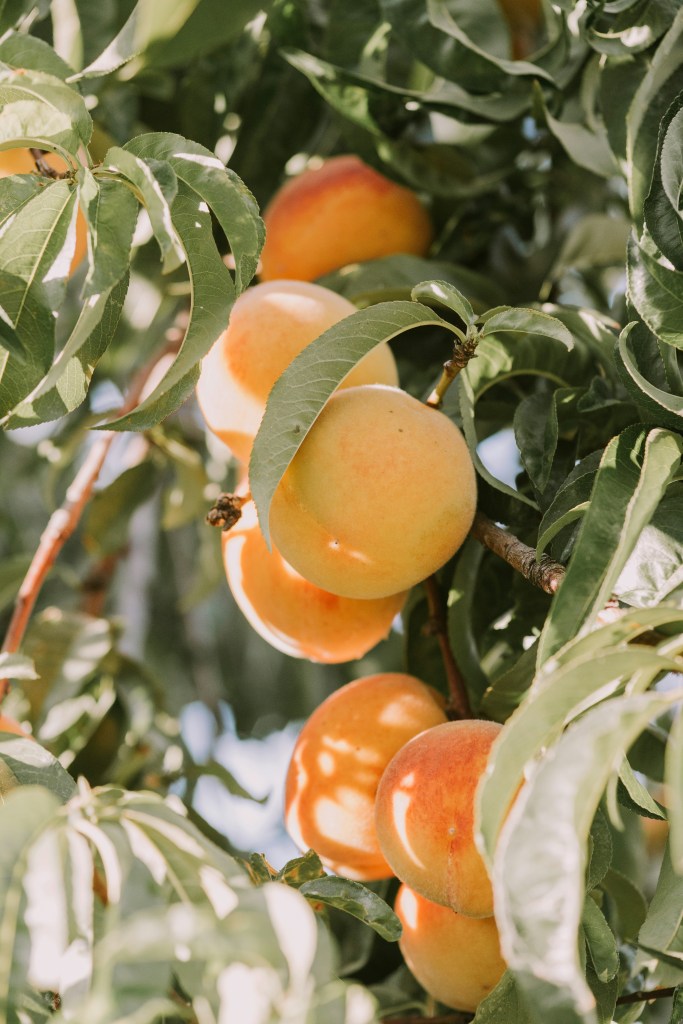
- Beta – carotene is a provitamin, or a precursor of vitamin A that occurs in plants — especially dark coloured fruits and vegetables and oily fruits
Beta-carotene is an antioxidant, but the body can also convert it into vitamin A as needed.
Good sources
Plant-based foods contain carotenoids, which are antioxidant forms of vitamin A. The body converts these into retinol as it needs. Carotenoid is an orange pigment that contributes to the colour of certain fruits and vegetables.
Proteins that contain vitamin A
- Liver
- Cod liver oil
- Fatty fish such as tuna and herring
- Eggs
- Milk
- Some cheeses
Fruit and vegetable sources that are rich in carotenoids
- Pumpkin
- Carrots
- Squash
- Sweet potato
- Red peppers
- Mango
- Rockmelon
- Apricot
Plant foods that are rich in beta-carotene
- Broccoli
- Dark leafy greens such as spinach
- Turnip greens
Recommended intake
| Vitamin A | ||
| Age | AI | RDI |
| 0-6 months | 250 µg/day | |
| 7-12 month | 430 µg/day | |
| 1-3 yr | 300 µg/day | |
| 4-8 yr | 400 µg/day | |
| Boys | ||
| 9-13 yr | 600 µg/day | |
| 14-18 yr | 900 µg/day | |
| Girls | ||
| 9-13 yr | 600 µg/day | |
| 14-18 yr | 700 µg/day | |
| Men | ||
| 19 – >70 yr | 900 µg/day | |
| Woman | ||
| 19 – >70 yr | 700 µg/day | |
| pregnancy | 800 µg/day | |
| lactating | 1,100 µg/day |
Summary
Vitamin A is an essential nutrient that contributes to many functions in the body, such as protecting eye health.
Most people can meet their needs for vitamin A through their diet.
In some cases, however, a doctor may recommend supplements. Anyone who uses vitamin A supplements should take care to follow their health practitioner’s instructions, as some forms of vitamin A can be toxic in high doses.
Vitamin B1- Thiamine

Water-soluble
Function
B1 enables the body to use carbohydrates as energy. It is essential for producing various enzymes that help metabolise glucose. It is also involved in the flow of electrolytes into and out of muscle and nerve cells. B1 plays a role in the nervous system and is necessary for good heart and brain function.
Deficiency
Early symptoms of thiamine deficiency are vague. They include fatigue, irritability, poor memory, loss of appetite, sleep disturbances, abdominal discomfort, and weight loss.
Eventually, a severe thiamine deficiency (beriberi) may develop, characterised by nerve, heart, and brain abnormalities. Different forms of beriberi cause different symptoms.
Good sources
Humans need a continuous supply of vitamin B1as the body does not store it. It should be part of someone’s daily diet. People may need supplements if their diet does not provide enough B vitamins.
Proteins that contain vitamin B1
- Pork
- Liver
- Eggs
- Trout
- Nuts and sunflower seeds
- Black beans
- Fruits and vegetables
Fruits, vegetables, and grains that contain vitamin B1
- Cauliflower
- Potatoes
- Asparagus
- Kale
- Oranges
- The outer layers and germ of cereals
- Brown rice
- Yeast
- Whole grains
- Pulses
- Breakfast cereals fortified with vitamin B1
- Products made with enriched white flour or white rice
Recommended intake
| B1- Thiamine | ||
| Age | AI | RDI |
| 0-6 months | 0.2mg/day | |
| 7-12 month | 0.3 mg/day | |
| 1-3 yr | 0.5 mg/day | |
| 4-8 yr | 0.6 mg/day | |
| Boys | ||
| 9-13 yr | 0.9 mg/day | |
| 14-18 yr | 1.2 mg/day | |
| Girls | ||
| 9-13 yr | 0.9 mg/day | |
| 14-18 yr | 1.1 mg/day | |
| Men | 1.2 mg/day | |
| Woman | 1.1 mg/day | |
| Pregnancy & lactating | 1.4 mg/day |
Summary
B1 is an important vitamin, which needs to be consumed daily, it is vital to support bodily functions. A thiamine deficiency may lead to symptoms such as fatigue, irritability, poor memory, Nerve and muscle abnormalities or heart problems.
Health practitioners may recommend thiamine supplements for people who are unable to get adequate amounts through their diet.
Vitamin B2 – Riboflavin
Water-soluble
Function:
Health benefits of vitamin B2 include supporting cellular functions that provide the body with energy, allowing it to work efficiently. Vitamin B2 helps break down proteins, fats, and carbohydrates. It plays a vital role in maintaining the body’s energy supply, while assisting in the metabolism of food.
Riboflavin helps convert carbohydrates into adenosine triphosphate (ATP). The human body produces ATP from food, and ATP produces energy as the body requires it. The compound ATP is vital for storing energy in muscles.
Deficiency
Signs of deficiency:
- Dry skin
- Inflammation of the lining of the mouth
- Inflammation of the tongue
- Mouth ulcers
- Red lips
- Cracked and inflammation of the lips
- Sore throat
- Iron-deficiency, anemia
Good sources
Proteins that contain vitamin B2
- Fish
- Red meat
- Poultry
- Kidneys, and liver
- Eggs
- Dairy products – cottage cheese, milk, yogurt
Fruits, vegetables, and grains that contain vitamin B2
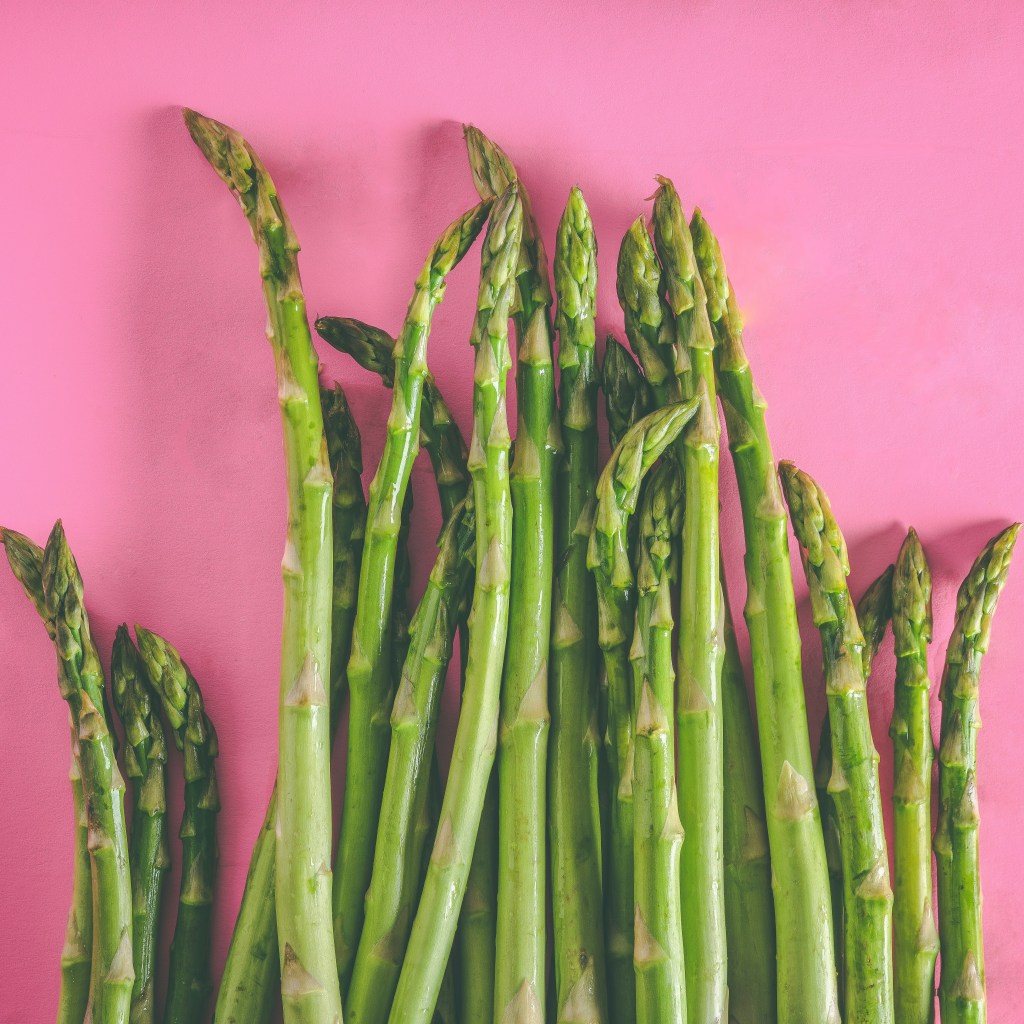
- Asparagus
- Artichokes
- Avocados
- bananas
- Currants
- Kelp
- molasses
- Fortified cereals
- Lima beans and peas
- Mushrooms
- Nuts
- Sage
- Sweet potatoes
- Parsley
- Pumpkin
- Cruciferous vegetables, such as broccoli, Brussels sprouts, spinach, dandelion greens, and watercress
- Whole-grain breads, enriched breads, and wheat bran
- Yeast extract
Recommended intake
| B2 – Riboflavin | ||
| Age | AI | RDI |
| 0-6 months | 0.3mg/day | |
| 7-12 month | 0.4 mg/day | |
| 1-3 yr | 0.5 mg/day | |
| 4-8 yr | 0.6 mg/day | |
| Boys | ||
| 9-13 yr | 0.9 mg/day | |
| 14-18 yr | 1.3 mg/day | |
| Girls | ||
| 9-13 yr | 0.9 mg/day | |
| 14-18 yr | 1.1 mg/day | |
| Men | ||
| 19-70 yr | 1.3 mg/day | |
| > 70 yr | 1.6 mg/day | |
| Woman | ||
| 19-70 yr | 1.1 mg/day | |
| > 70 yr | 1.3 mg/day | |
| pregnancy | 1.4 mg/day | |
| lactating | 1.6 mg/day |
Summary
Vitamin B2 helps break down proteins, fats, and carbohydrates. It plays a vital role in maintaining the body’s energy supply and helps produce adenosine triphosphate (ATP).
Deficiency is rare, due to B2 being bountiful in a numerous range of foods, yet in cases of deficiency, symptoms may include dry skin, cracked lips, mouth ulcers or anemia. Supplementation can be taken in cases of severe deficiency. Seek guidance from your health practitioner.
Vitamin B3 – Niacin, Niacinamide

Water-soluble
Function
The body needs niacin for the cells to grow and work correctly. It too plays a role in converting the food we eat into energy. It helps the body to use proteins and fats, and it keeps the skin, hair, and nervous system healthy. Other benefits of B3 are its antioxidative, and anti-inflammatory properties along with having potential cholesterol lowering factors.
Deficiency
Low levels of B3 may result in a health issue called pellagra, which causes diarrhea, skin changes, and intestinal upset.
Signs of deficiency:
- A pigmented rash on skin that is exposed to the sun
- Rough appearance to the skin
- Bright red tongue
- Fatigue
- Vomiting
- Constipation
- Circulatory problems
- Memory loss
- Headache
- Depression
Good sources
Those who eat a well-balanced diet will tend to consume enough niacin in their food.
Proteins that contain vitamin B3
- Beef liver
- Beef
- Chicken or Turkey breast
- Tuna and salmon
- Milk
- Eggs
- Tofu
- Lentils
- Nuts and seeds
Fruits, vegetables, and grains that contain vitamin B3
- Tomatoes
- Leafy vegetables
- Broccoli
- Carrots
- Brown rice
| B3 – Niacin | ||
| Age | AI | RDI |
| 0-6 months | 2mg/day | |
| 7-12 month | 4 mg/day | |
| 1-3 yr | 6 mg/day | |
| 4-8 yr | 8 mg/day | |
| Boys | ||
| 9-13 yr | 12 mg/day | |
| 14-18 yr | 16 mg/day | |
| Girls | ||
| 9-13 yr | 12 mg/day | |
| 14-18 yr | 14 mg/day | |
| Men | ||
| 19 – > 70 yr | 16 mg/day | |
| Woman | ||
| 19 – > 70 yr | 14 mg/day | |
| pregnancy | 18 mg/day | |
| lactating | 17 mg/day |
Summary
B3 has anti-inflammatory properties, it is essential vitamin for cells to grow and work correctly. Thiamine is required by the body to metabolise proteins and fats, while keeping the skin, hair, and nervous system healthy. It must be consumed in the diet daily.
Vitamin B5 – pantothenic acid

Water-soluble
Function
B5 is necessary for producing hormones. It helps produce energy by breaking down fats and carbohydrates. Its benefits include promoting healthy skin, hair, eyes, and liver.
Vitamin B5 also helps maintain a healthy digestive system and assists the body in using other vitamins, especially vitamin B2.
- Converting food into glucose
- Synthesising cholesterol
- Forming sex and stress-related hormones
- Forming red blood cells
- Synthesising coenzyme A
Coenzyme A
Vitamin B5 has a role in synthesising coenzyme A. Coenzyme A is involved in the synthesis of fatty acids and is important for converting foods into fatty acids and cholesterol. While also being a factor in delivering chemical messages inside the body’s cells.
Coenzyme A works in conjunction with the liver, to metabolise some drugs and toxins safely.
Deficiency
Symptoms include paresthesia, or “pins and needles.”
Vitamin B5 deficiency is extremely rare in people as pantothenic acid is found in nearly all foods. A healthy and varied diet should provide a person with enough.
A deficiency in vitamin B5 may look like
- Muscle cramps
- Numbness
- Nausea
- Irritability
- Restlessness
- Burning feet or hands (paresthesia)
- Sleep disorders
- hypoglycemia
Good sources
Proteins that contain vitamin B5
- Meats
- Pork
- Poultry
- Animal organs such as liver and kidney
- Salmon
- Shellfish
- Eggs
- Dairy products
Fruits, vegetables, and grains that contain vitamin B5
- Broccoli
- Avocados
- Mushrooms
- Sweet potatoes
- Cauliflower
- Corn
- Kale
- Tomatoes
- Whole grain and cereals
- Peanuts
- Legumes, Lentils, split peas, and soybeans
- Brewer’s yeast
- Sunflower seeds
- Royal jelly
- Oatmeal
Recommended daily intake
| B5 – pantothenic acid | ||
| Age | AI | RDI |
| 0-6 months | 0.7 mg/day | |
| 7-12 month | 2.2 mg/day | |
| 1-3 yr | 3.5 mg/day | |
| 4-8 yr | 4.0 mg/day | |
| Boys | ||
| 9-13 yr | 5.0 mg/day | |
| 14-18 yr | 6.0 mg/day | |
| Girls | ||
| 9-13 yr | 4.0 mg/day | |
| 14-18 yr | 4.0 mg/day | |
| Men | ||
| 19 – >70 yr | 6 mg/day | |
| Woman | ||
| 19 – >70 yr | 4 mg/day | |
| pregnancy | 5 mg/day | |
| lactating | 6 mg/day |
Summary
B5 is necessary for producing hormones and the synthesis of Coenzyme A.
Vitamin B5 deficiency is extremely rare due to pantothenic acid being widely available in a large range of food, but it is important to know that this vitamin can be lost in processing. To ensure an adequate intake, foods should be eaten fresh rather than refined. As with all water-soluble vitamins, vitamin B5 is lost when food is boiled.
Vitamin B6- pyridoxine, pyridoxamine, pyridoxal

Water-soluble
Function
Vitamin B6 is vital for brain function, it helps to create neurotransmitters which are important chemical messengers in the brain. It also helps regulate energy use in the brain. B6 has many functions in the body, including its role in over 100 enzyme reactions.
- Brain development during pregnancy and infancy
- Creating neurotransmitters, including serotonin and dopamine
- Creating haemoglobin, which is the part of red blood cells that carries oxygen
- Immune system function
Deficiency
Low levels may lead to anemia.
Signs and symptoms of vitamin B6 deficiency include:
- Peripheral neuropathy with tingling, numbness, and pain in the hands and feet
- Seizures
- Depression
- Confusion
- Weakened immune system
Good sources
Proteins that contain vitamin B6
- Beef liver
- Ground beef
- Yellow fin tuna
- Salmon
- Turkey
- Chickpeas
- Chicken
- Tofu
- Nuts
- Cottage cheese
Fruits, vegetables, and grains that contain vitamin B6
- Squash
- Bananas
- Rice
- Raisins
- Onion
- Spinach
- Watermelon
Recommended daily intake
| B6 – pyridoxine | ||
| Age | AI | RDI |
| 0-6 months | 0.1 mg/day | |
| 7-12 month | 0.3 mg/day | |
| 1-3 yr | 0.5 mg/day | |
| 4-8 yr | 0.6 mg/day | |
| Boys | ||
| 9-13 yr | 1.0 mg/day | |
| 14-18 yr | 1.3 mg/day | |
| Girls | ||
| 9-13 yr | 1.0 mg/day | |
| 14-18 yr | 1.2 mg/day | |
| Men | ||
| 19 – 50 yr | 1.3 mg/day | |
| 51 – > 70 yr | 1.7 mg/day | |
| Woman | ||
| 19 – 50 yr | 1.3 mg/day | |
| 51 – > 70 yr | 1.5 mg/day | |
| pregnancy | 1.9 mg/day | |
| lactating | 2.0 mg/day |
Summary
Vitamin B6 is an important vitamin for many processes in the body, including the nervous system and metabolism.
Most foods have some vitamin B6. People with a well-balanced diet do not tend to develop a deficiency. Medical conditions and certain medications can lead to a deficiency.
Those who are more likely to have low levels of B6 include:
- people who drink excess alcohol
- people with obesity
- pregnant or breastfeeding woman
Vitamin B7- Biotin

Water soluble
Function
Plays a huge role in cell growth, it enables the body to metabolise proteins, fats, and carbohydrates. It also contributes to keratin, a structural protein in the skin, hair, and nails. Along with maintaining a healthy pregnancy.
Biotin is a coenzyme. This means it functions as a supporting compound for carboxylase enzymes.
These enzymes are involved in:
- Synthesising, or creating, fatty acids
- Synthesising the amino acids isoleucine and valine
- Gluconeogenesis, or generating glucose
Deficiency
Low levels may cause dermatitis or inflammation of the intestines.
Signs and symptoms of vitamin B7 deficiency include:
- Hair loss, or alopecia
- A scaly, red rash around the eyes, nose, mouth, and genitals
- Depression
- Lethargy
- Numbness and tingling in the hands and feet
- A loss of control of bodily movements, known as ataxia
- Weakened immune function
- Increased risk of bacterial and fungal infections
- Seizures
Good sources
Proteins that contain vitamin B7
- Eggs
- Liver
- Cheese
- Canned pink salmon
- Roasted almonds
Fruits, vegetables, and grains that contain vitamin B7
- Broccoli
- Spinach
- Sunflower seeds
- Sweet potato
Recommended daily intake
| B7- Biotin | |
| Age | AI |
| 0-6 months | 5 µg/day |
| 7-12 month | 6 µg/day |
| 1-3 yr | 8 µg/day |
| 4-8 yr | 12 µg/day |
| Boys | |
| 9-13 yr | 20 µg/day |
| 14-18 yr | 30 µg/day |
| Girls | |
| 9-13 yr | 20 µg/day |
| 14-18 yr | 25 µg/day |
| Men | |
| 19 – >70 yr | 30 µg/day |
| Woman | |
| 19 – >70 yr | 25 µg/day |
| pregnancy | 30 µg/day |
| lactating | 35 µg/day |
Summary
Biotin is a coenzyme which assists in cell growth and enables the body to metabolise proteins, fats, and carbohydrates. Vital nutrient in the production of keratin, supporting the skin, hair, and nails.
Important for maintaining a healthy pregnancy.
You might need to take a biotin supplement if you live a vegan lifestyle or avoid animal produce for other reasons.
Supplements are unlikely to cause harm, but they are not proven to help with hair, skin, and nail health.
Vitamin B9 – Folic acid or Folate
Water soluble
Functions
B9 is essential for making DNA and RNA. It is an essential B vitamin necessary for producing red and white blood cells in bone marrow and transforming carbohydrates into energy. Adequate amounts of folate areimportant during periods of rapid growth, such as pregnancy, infancy, and adolescence.
Deficiency
During pregnancy, this can affect the foetus’s nervous system. It is recommend that folic acid supplements are taken before and during pregnancy, always seek guidance from your health practitioner prior to adding any supplements into your diet, especially when pregnant.
Signs and symptoms of vitamin B9 deficiency include:
- Muscle weakness
- Problems with judgment, memory, and understanding
- Fatigue
- Paresthesia, or pins and needles
- A red, sore tongue
- Ulcers in the mouth
- Vision problems
- Depression and confusion
Because folate deficiencies usually occur alongside other nutritional deficiencies, such as B12 or iron deficiency, people may also have symptoms of these, along with other conditions.
Good sources
Proteins that contain vitamin B9
- Beef liver
- Kidney beans
- Black eyed peas
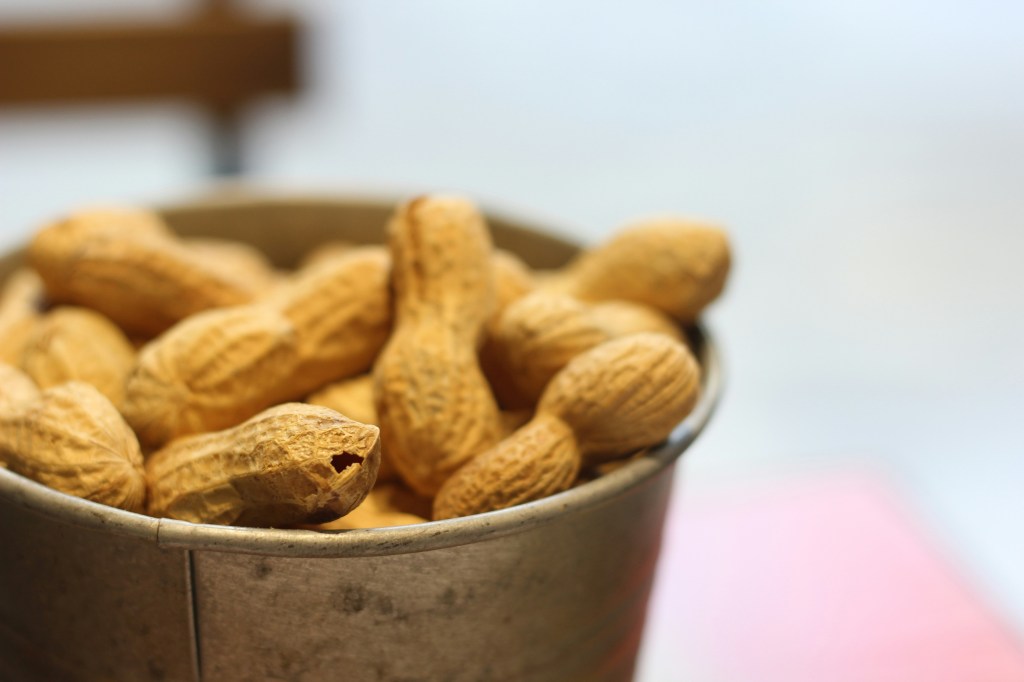
- Nuts, especially peanuts
Fruits, vegetables, and grains that contain vitamin B9
- Brussels sprouts
- Dark leafy greens
- Asparagus
- Oranges and orange juice
- Beans
- Peas
- Sunflower seeds
- Some fortified grains
The body’s ability to absorb and use folate varies from one food to another and is difficult to measure. There are also many forms of folate, and some break down during cooking or processing.
Recommended daily intake
| B9 – folic acid | ||
| Age | AI | RDI |
| 0-6 months | 65 µg/day | |
| 7-12 month | 80µg/day | |
| 1-3 yr | 150 µg/day | |
| 4-8 yr | 200 µg/day | |
| Boys | ||
| 9-13 yr | 300 µg/day | |
| 14-18 yr | 400 µg/day | |
| Girls | ||
| 9-13 yr | 300 µg/day | |
| 14-18 yr | 400 µg/day | |
| Men | ||
| 19 – >70 yr | 400 µg/day | |
| Woman | ||
| 19 – >70 yr | 400 µg/day | |
| pregnancy | 600 µg/day | |
| lactating | 500 µg/day |
Folate is a naturally occurring form of vitamin B9, which people get from their food.
Most people get enough folate from a balanced diet. Deficiency is more common in females and those with conditions that affect folate absorption.
If someone is concerned, they may have a nutritional deficiency or are trying to conceive, they should speak with their health practitioner.
Vitamin B12 – Cobalamin

Water soluble
Function
Is essential for the health of nerve tissue, brain function, and red blood cells. It is essential for a healthy nervous system.
Vitamin B12 is crucial to various bodily processes including:
- Normal functioning of the brain and nervous system
- Cognitive functioning (ability to think)
- Formation of red blood cells and anemia prevention
- Helping create and regulate DNA
- Possibly preventing congenital abnormalities
- Helping protect the eyes from macular degeneration
- Necessary for energy production
Deficiency
Low levels may lead to neurological problems and some types of anemia. Vitamin B12 is essential for healthy blood. When the body does not have enough B12, it leads to decreased normal red blood cell production (anemia), which impairs oxygen delivery.
Signs and symptoms of vitamin B12 deficiency include:
- Anemia
- Depression
- Confusion
- Memory problems
- Fatigue
- Headaches
- Mood changes
- Difficulty concentrating
People with anemia might also experience:
- A sore mouth or tongue
- Weight loss
- Pale or yellowing skin
- Menstrual problems
People with a B12 deficiency may need supplementation, particularly anyone suffering from anemia or on a vegetarian / vegan diet.
Good sources
It occurs naturally in animal products and manufacturers can produce it through bacterial fermentation synthesis.
Proteins that contain vitamin B12
- Fish
- Shellfish
- Red meat
- Poultry,
- Eggs
- Milk and other dairy products
- Fortified soy products
Fruits, vegetables, and grains that contain vitamin B12
- Fortified nutritional yeast
Even though vitamin B12 is found in a variety of foods, some people are at an increased risk of developing B12 deficiency or insufficiency. Groups at an increased risk include:
- Older adults
- Those on restrictive diets like vegetarian / vegan diets
- People with certain health conditions such as celiac disease
Supplements
Some people have difficulties absorbing vitamin B12 from food sources and may need to take supplements.
B12 supplements can be taken orally, in a nasal spray or by a vitamin B12 injection.
Recommended daily intake
| B12 – cobalamin | ||
| Age | AI | RDI |
| 0-6 months | 0.4 µg/day | |
| 7-12 month | 0.5 µg/day | |
| 1-3 yr | 0.9 µg/day | |
| 4-8 yr | 1.2 µg/day | |
| Boys | ||
| 9-13 yr | 1.8 µg/day | |
| 14-18 yr | 2.4 µg/day | |
| Girls | ||
| 9-13 yr | 1.8 µg/day | |
| 14-18 yr | 2.4 µg/day | |
| Men | ||
| 19 – >70 yr | 2.4 µg/day | |
| Woman | ||
| 19 – >70 yr | 2.4 µg/day | |
| pregnancy | 2.6 µg/day | |
| lactating | 2.8 µg/day |
Summary
Vitamin B12 is an essential vitamin mainly found in animal products. The body needs vitamin B12 for normal function of the brain and nervous system, the formation of red blood cells, and other critical processes.
Some people are more at risk of deficiencies, such as older adults, vegans and those who do not absorb nutrients well.
Health practitioners will recommend those who do not get enough B12 from their diet to take supplements to avoid deficiency. This is particularly important during pregnancy and while breastfeeding.
Vitamin C – Ascorbic acid, L-ascorbic acid, and L-ascorbate

Water soluble
Function
Is a vital nutrient for overall health. Vitamin C benefits include helping form and maintain bones, cartilage, skin, and blood vessels, and bone formation. It also strengthens blood vessels, vitamin c is vital for the absorption of iron, and acts as an antioxidant which supports the immune system and helps alleviate allergies.
To maintain adequate levels of vitamin C, people need to consume vitamin C rich foods daily.
The body needs vitamin C for various functions including:
- It helps the body produce collagen, L-carnite, and some neurotransmitters
- As an antioxidant, it helps remove unwanted substances known as reactive oxidative species (ROS) from the body
- It helps the body absorb iron
- It enhances wound healing
ROS are substances such as free radicals that result from natural bodily processes, exposure to pollution, and other factors. They can lead to oxidative stress which can, in turn, cause cell damage.
Vitamin C’s antioxidant activity may help reduce inflammation and lower the risk of developing various conditions, including some cancers.
Deficiency
Low levels of vitamin C in the body can lead to scurvy, which causes bleeding gums, a loss of teeth, and poor tissue growth along with anemia, tiredness and issues with immunity and wound healing.
Those at risk of vitamin C deficiency
- People who smoke or have exposure to second-hand smoke
- Infants who consume only evaporated or boiled milk
- People who do not consume a varied diet
- People with certain health conditions, especially those that involve intestinal malabsorption
- Additional vitamin C is necessary during pregnancy and while breastfeeding
Good sources
Fruits, vegetables, and grains that contain vitamin C
Most fruit and vegetables contain vitamin C, yet remember that cooking destroys vitamin C.
- Red and green peppers
- Citrus fruits including lemons, orange and grapefruit
- Kiwi fruit
- Strawberries
- Spinach and other leafy greens
- Tomatoes
- Green pea
- Potatoes
Recommended daily intake
| Vitamin C – ascorbic acid | ||
| Age | AI | RDI |
| 0-6 months | 25 mg/day | |
| 7-12 month | 30 mg/day | |
| 1-3 yr | 35 mg/day | |
| 4-8 yr | 35 mg/day | |
| Boys | ||
| 9-13 yr | 40 mg/day | |
| 14-18 yr | 40 mg/day | |
| Girls | ||
| 9-13 yr | 40 mg/day | |
| 14-18 yr | 40 mg/day | |
| Men | ||
| 19 – >70 yr | 45 mg/day | |
| Woman | ||
| 19 – >70 yr | 45 mg/day | |
| pregnancy | 60 mg/day | |
| lactating | 85 mg/day |
Summary
Vitamin C is an antioxidant and essential nutrient that has many functions, including production of collagen, reduce oxidative stress, enhance wound healing, vitamin C is vital for the absorption of iron.
Vitamin C occurs naturally in fruits and vegetables. Vitamin C supplements are also available. Additional vitamin C is necessary during pregnancy and while breastfeeding
Vitamin D – Ergocalciferol, Cholecalciferol

Vitamin D is essential for the bones and teeth, the immune system, brain health, and for regulating inflammation. The body produces vitamin D as a response to sun exposure.
When your skin is exposed to sunlight, it makes vitamin D from cholesterol. The sun’s (UVB) rays hit cholesterol in the skin cells, providing the energy for vitamin D synthesis to occur.
Certain foods and supplements can also boost vitamin D intake. Despite its name, vitamin D is not a vitamin but a hormone.
Deficiency
This may cause rickets and osteomalacia or softening of the bones.
Although the body can create vitamin D from sunlight, some people develop deficiencies.
Factors that can influence this include:
- Lack of sun exposure
- People who live in areas of high pollution may not get as much vitamin D
- Age, the skin’s ability to synthesise vitamin D decreases with age
- Skin colour, research has observed that the pigmentation in the skin reduces the body’s ability to absorb ultraviolet B (UVB) rays. Those with darker skin tones synthesise less vitamin D from sunlight than people with lighter skin
- Body weight, high levels of fat in the body can limit its ability to absorb vitamin D from the skin
- Breastfeeding babies cannot get enough vitamin D from breast milk on its own
Symptoms of vitamin D deficiency:
With the majority of vitamin D deficiency, people do not show symptoms. However, in chronic deficiencies, osteomalacia may be a result, which may lead to:
- Bone pain
- Muscle weakness or spasms
- Joint pain
- Problems with bone development or the teeth
Over time, weakened bones may contribute to osteoporosis and increase the risk of falls and fractures, especially in older adults. It is recommended that the elderly increase their vitamin D and calcium intake to avoid the onsets of osteoporosis.
Good sources
The most accessible source of vitamin D is sunlight. However, it is recommended for the best absorption to get 15 minutes of sunlight on both the back and torso for optimal results. For those who cannot get sun exposure on a frequent basis, supplements or food sources can provide their daily requirement.
Proteins that contain vitamin D
- Fatty fish, such as salmon, mackerel, and tuna
- Egg yolks
- Cheese
- Beef liver
- Fortified milk
- Pasture raised pork
Fruits, vegetables, and grains that contain vitamin D
- Mushrooms
- Fortified cereals and juices
Recommended daily intake
| Vitamin D | |
| Age | AI |
| 0-6 months | 5.0µg/day |
| 7-12 month | 5.0µg/day |
| 1-3 yr | 5.0µg/day |
| 4-8 yr | 5.0µg/day |
| Boys | |
| 9-13 yr | 5.0µg/day |
| 14-18 yr | 5.0µg/day |
| Girls | |
| 9-13 yr | 5.0µg/day |
| 14-18 yr | 5.0µg/day |
| Men | |
| 19 – 50 yr | 5.0µg/day |
| 51 – 70 yr | 10.0 µg /day |
| 70 > yr | 15.0 µg /day |
| Woman | |
| 19 – 50 yr | 5.0µg/day |
| 51 – 70 yr | 10.0 µg /day |
| 70 > yr | 15.0 µg /day |
| pregnancy | 5.0µg/day |
| lactating | 5.0µg/day |
Summary
Vitamin D is not a vitamin but a hormone, it is required for immunity, bone strength and brain health.
The best source of vitamin D is via sunlight, the body will produce it with enough exposure. However, it is still important to be sun safe while getting your adequate sun exposure, generally 5-30 minutes without sun cream.
A handful of foods also contain vitamin D, supplementation may be required for those who do not get enough sunlight or do not consume vitamin D rich foods.
In excessive doses, vitamin D toxicity can cause hypercalcemia, which can be serious. Always check with your health practitioner prior to taking supplements.
Vitamin E – Tocopherol, Tocotrienol
Fat soluble
Function
Vitamin E is an antioxidant it helps prevent oxidative stress, an issue that increases the risk of inflammation and various diseases.
The body needs vitamin E to function properly, making it an essential vitamin for supporting the immune system, cell function, and skin health. Vitamin E may be beneficial at reducing UV damage to skin.
It is fat-soluble, meaning that it requires fat from the diet to be properly absorbed. Vitamin E is mainly stored in the liver before being released into the blood stream for use.
If you don’t get enough, you may become more prone to infections or experience impaired eyesight or muscle weakness.
Deficiency
This is rare, but it may cause haemolytic anemia in newborns. This condition destroys blood cells.
Vitamin E deficiency often runs in families, and it can also be involved with certain medical conditions, it is especially linked to diseases in the body which reduce the absorption of fat. This is because the body requires fat to absorb vitamin E correctly.
Some of these diseases include:
- Chronic pancreatitis
- Celiac disease
- Cystic fibrosis
- Cholestatic liver disease
Good sources
Vitamin E is found in a variety of food, generally a well-balanced diet will supply enough of this vitamin in the diet, yet good quality fats must also be consumed in the diet to assist with the absorption.
Proteins that contain vitamin E
- Salmon
- Crayfish
- Lobster
- Octopus
- Rainbow trout
- Egg yolk
- Milk
Fruits, vegetables and grains that contain vitamin E
- Mango
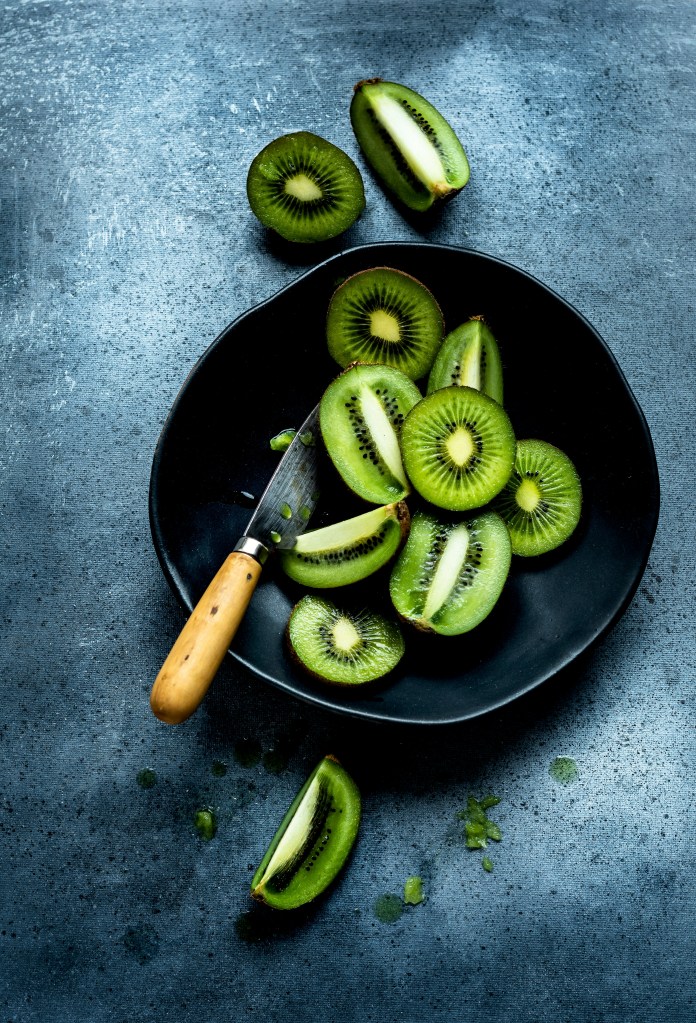
- Kiwi fruit
- Avocado
- Apricots
- Nuts and seeds including almonds
- Vegetable oils, such as wheat-germ oil, peanut oil, and olive oil
- Whole grains
- Most vegetables, including spinach, Swiss chard, red peppers
Supplements
A person should not take too many supplements of fat-soluble vitamins, including vitamins A, D, E, and K.
Excessive levels of vitamin E may cause abnormal bleeding, muscle aches, diarrhea, and vomiting.
Too much vitamin E can also interact with blood thinners, and some chemotherapy medications. It is always best to check with your health practitioner prior to supplementation, especially with fat soluble vitamins.
Recommended daily intake
| Vitamin E | |
| Age | AI |
| 0-6 months | 4 mg /day |
| 7-12 month | 5 mg /day |
| 1-3 yr | 5 mg /day |
| 4-8 yr | 6 mg/day |
| Boys | |
| 9-13 yr | 9 mg/day |
| 14-18 yr | 10 mg/day |
| Girls | |
| 9-13 yr | 8 mg/day |
| 14-18 yr | 8 mg/day |
| Men | |
| 19 – >70 yr | 10 mg/day |
| Woman | |
| 19 – >70 yr | 7 mg/day |
| pregnancy | 7 mg/day |
| lactating | 11 mg/day |
Summary
Vitamin E is a fat-soluble, essential nutrient found in a variety of foods. It contains anti-inflammatory properties and helps support the immune system, cell function, and skin health. It’s an antioxidant which works against the effects of free radicals produced by the metabolism of food and toxins in the environment.
Vitamin E may be beneficial at reducing UV damage to skin. However, with excess UV light and sun exposure the vitamin E levels in skin may be reduced. Vitamin E levels also decrease with age.
You can increase the absorption of vitamin E by consuming good quality fats in your diet.
Vitamin K – Phylloquinone, Menaquinone
Fat-soluble
Function
It is necessary for blood clotting, bone health, cognitive health, heart health.
The body needs vitamin K to produce prothrombin, a protein and clotting factor that is important in blood clotting and bone metabolism. People who use blood-thinning medications should not consuming additional vitamin K without first talking to their practitioner.
Deficiency
Deficiency is rare, but, in severe cases, it can significantly alter blood clotting time, leading to haemorrhage and excessive bleeding.
Low levels may cause an unusual susceptibility to bleeding, or bleeding diathesis.
Good sources
Vitamin K1comes from plants. It is the main type of dietary vitamin K. A lesser source is vitamin K2, which occurs in some animal-based and fermented foods.
Phylloquinone, also known as vitamin K1, is found in plants. When people eat it, bacteria in the large intestine convert it to its storage form, vitamin K2. It is absorbed in the small intestine and stored in fatty tissue and the liver.
Proteins that contain vitamin K
- Hard boiled eggs
- Dairy
- Pork chops
- Chicken
- Ground beef
Fruits, vegetables and grains that contain vitamin K
- Leafy greens
- Broccoli
- Prunes
- Avocado
- Pumpkin
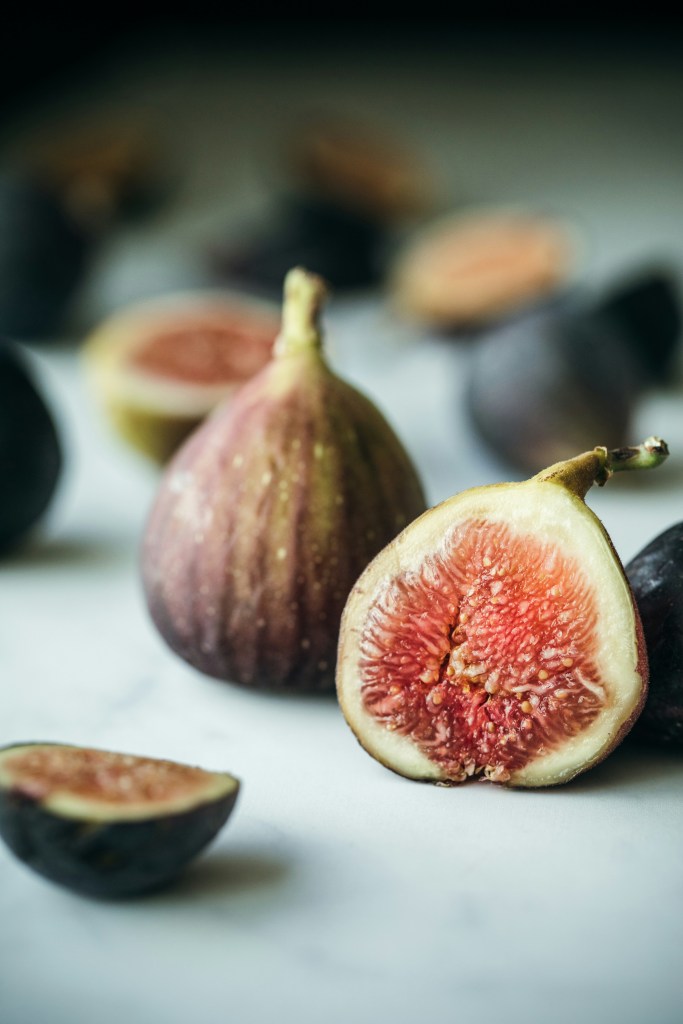
- Figs
- Parsley
- Soybean oil
- Grapes
Recommended daily intake
| Vitamin K | |
| Age | AI |
| 0-6 months | 2.0 µg/day |
| 7-12 month | 2.5 µg/day |
| 1-3 yr | 25 µg/day |
| 4-8 yr | 35 µg/day |
| Boys | |
| 9-13 yr | 45 µg/day |
| 14-18 yr | 55 µg/day |
| Girls | |
| 9-13 yr | 45 µg/day |
| 14-18 yr | 55 µg/day |
| Men | |
| 19 – >70 yr | 70 µg/day |
| Woman | |
| 19 – >70 yr | 60 µg/day |
| pregnancy | 60 µg/day |
| lactating | 60 µg/day |
Summary
Vitamin K is an important nutrient that plays a vital role in the diet. Deficiency is rare, however, if nutritional needs are not met over time, health may be affected with impair blood clotting, weakened bones, and increase your risk of heart disease.
Vitamin K can be found in numerous plant and animal foods, it’s important to ensure that you’re getting enough of this essential vitamin through your diet.
It is always best to check with your health practitioner prior to supplementation, especially with fat soluble vitamins.
bottom line
Vitamins and minerals are essential nutrients that are the building block to your overall health.
They provide the individual with everything you need to ensure the body is functioning optimally. They will assist your body in a multitude of different ways, yet at times they will also work together in a very specific, organised processes.
Whether they are combating free radicals, nurturing the immune system, or speeding up processes with coenzymes in many metabolic processes, vitamins and minerals are the key to nutrition.
Nutrition is meant to be easy and accessible, you can get all the vitamins and minerals your body needs by eating a varied and balanced wholefood diet, limiting processed foods. If you are in doubt that you may have some nutritional deficiencies, or are treating disease in the body, talk to your health practitioner for guidance regarding diet plans or supplements which are right for you.
Your body will thank you for it!
This fact sheet provides information that should not take the place of medical advice.
We encourage you to talk to your health care providers (doctor, registered dietitian, naturopath, pharmacist) regarding questions about the use of dietary supplements and what may be best for your overall health.

References:
- Keratomalacia, Wikipedia
https://en.wikipedia.org/wiki/Keratomalacia - ATP, adenosine triphosphate, Wikipedia
https://en.wikipedia.org/wiki/Adenosine_triphosphate - Pellagra, Wikipedia
https://en.wikipedia.org/wiki/Pellagra - Paresthesia, Web MD
https://www.webmd.com/brain/paresthesia-facts - Hypoglycemia, Mayo Clinic
https://www.mayoclinic.org/diseases-conditions/hypoglycemia/symptoms-causes/syc-20373685 - Peripheral neuropathy, Mayo clinic
https://www.mayoclinic.org/diseases-conditions/peripheral-neuropathy/symptoms-causes/syc-20352061 - Hyperkeratosis, Wikipedia
https://en.wikipedia.org/wiki/Hyperkeratosis - Dietary reference intake, National library of medicine
https://www.ncbi.nlm.nih.gov/books/NBK45182/#:~:text=The%20Adequate%20Intake%20(AI)%20is,or%20groups)%20of%20healthy%20people. - Nutrient reference, Eat for health gov.au https://www.eatforhealth.gov.au/nutrient-reference-values/nutrients
- National Institute of Health
https://ods.od.nih.gov/factsheets/list-VitaminsMinerals/ - Rickets, Wikipedia
https://en.wikipedia.org/wiki/Rickets - Osteomalacia, Wikipedia
https://en.wikipedia.org/wiki/Osteomalacia - Scurvy, Wikipedia
https://en.wikipedia.org/wiki/Scurvy - Antioxidant, Wikipedia
https://en.wikipedia.org/wiki/Antioxidant - Collagen, Wikipedia
https://en.wikipedia.org/wiki/Collagen - L-Carnitine, Web MD
https://www.webmd.com/vitamins/ai/ingredientmono-1026/l-carnitine - Free radicals, National Library Of Medicine
https://www.ncbi.nlm.nih.gov/pmc/articles/PMC3249911/ - Hypercalcemia, Mayo Clinic
https://www.mayoclinic.org/diseases-conditions/hypercalcemia/symptoms-causes/syc-20355523#:~:text=The%20hormone%20plays%20a%20role,affect%20the%20heart%20and%20brain. - Osteoporosis, Mayo Clinic
https://www.mayoclinic.org/diseases-conditions/osteoporosis/symptoms-causes/syc-20351968 - Crohnes disease, mayo Clinic
https://www.mayoclinic.org/diseases-conditions/crohns-disease/symptoms-causes/syc-20353304 - Ulcerative colitis, Mayo Clinic
https://www.mayoclinic.org/diseases-conditions/ulcerative-colitis/symptoms-causes/syc-20353326#:~:text=Ulcerative%20colitis%20(UL%2Dsur%2D,called%20the%20colon%2C%20and%20rectum. - Cofactor, Wikipedia
https://en.wikipedia.org/wiki/Cofactor_(biochemistry)#:~:text=A%20cofactor%20is%20a%20non,that%20assist%20in%20biochemical%20transformations. - Alzheimer’s disease, Wikipedia
https://en.wikipedia.org/wiki/Alzheimer%27s_disease - BMR, Wikipedia
https://en.wikipedia.org/wiki/Basal_metabolic_rate - Goitre, Mayo clinic
https://www.mayoclinic.org/diseases-conditions/goiter/symptoms-causes/syc-20351829 - Phytic acid, Wikipedia
https://en.wikipedia.org/wiki/Phytic_acid
The entire contents of this website are based upon the opinion of the author, which has been researched through a variety of integrated health modalities.
The information on this website is not intended to replace the relationship with a qualified health care professional and is not intended as medical advice. The articles are intended as a sharing of knowledge and information from the research and experience which has come from a variety of health practitioners in their individual fields.
Kin daily, encourages you to make your own health care decisions based upon your personal health journey with the guidance of a qualified health care practitioner.

 dailykinhealth.com
2 Comments Add yours