
Below, you’ll find an A-Z listing of everything we have in our mineral dictionary. Use these quick links to navigate to a particular nutrient you want to learn more about.
Minerals
- Calcium
- Phosphorus
- Potassium
- Sodium (salt)
- Magnesium
- Chromium
- Copper
- Fluoride
- Iodine
- Iron
- Manganese
- Molybdenum
- Selenium
- Zinc
- bottom line
Vitamins and minerals are essential for our health and wellbeing. They fall under the umbrella of micronutrients. These powerful little nutrients are the make it or break it for overall health, wellbeing, and a variety of metabolic processes.
But when it comes to knowing the how and why we need to consume them in our diet this can become overwhelming. It is important to know that it’s not as easy as 1 nutrient will be the band aid to all of your health issues, it is more of a carefully curated blend which will work together in all areas of your health.
The hard part about vitamin and mineral intake, is knowing if you are consuming enough of these. Your body cannot produce vitamins and minerals by itself, so they will need to be consumed in a balance diet by eating a variety of healthy whole, unrefined foods or through supplementation, to ensure the body is receiving the correct daily intake. Just remember that consuming these nutrients from food is the best way to get them in to you on a regular basis.
Vitamins and minerals are called micronutrients, which means we only need a small amount of them, for health compared to macronutrients such as (carbs, proteins, and fats) which make up the main part of our dietary intake. Regardless of how small micronutrients are, it is vital to remember that each one plays an important role in the body, and not getting enough of them can cause health problems and disease.
Hopefully this in-depth guide will give you some clarity on everything you need to know and will get you thinking about possible gaps within your own diet that you may need to put some extra nutrients into.
Minerals
These are inorganic substances, they are necessary for healthy body functions and development. There are two groups of minerals: Major Minerals (the body needs at least 100 milligrams every day) and Trace Minerals (only a small amount is required, however, vital for good health).
The basics, key terms when we talk about nutrients.
RDA. Recommended Dietary Allowances (RDAs) represent the average daily dietary intake of each vitamin and mineral a person needs to stay in optimal health and to avoid any deficiencies. These specific values are broken down by age and gender, and have been scientifically approved, these have been updated over the years as more research has been conducted, and they can vary very slightly between different geographical areas.
AI. This stands for adequate intake, this is set instead of an RDI, if sufficient scientific evidence is not available. The AI is based on observed or experimentally determined estimates of nutrient intake of groups of healthy people.
UL. The tolerable upper intake level (UL) is the maximum amount of daily vitamin or mineral dosage that is likely to be safe for the average person. Stay under the UL when using supplements to avoid toxicity.
The measuring of vitamins and minerals can be confusing. Here we help you through the vitamin measurement maze.
GRAM
A gram is a metric measurement of weight. An old imperial measure of weight is the ounce and one ounce = 28.4 grams.
MILLIGRAM
One milligram is one thousandth of a gram and one thousand micrograms. A milligram is generally abbreviated as mg.
MICROGRAM
One microgram is one millionth of a gram and one thousandth of a milligram. It is usually abbreviated as mcg or ug. Mcg and ug are the same.
IU
The IU is an International Unit, usually used to measure fat soluble vitamins including Vitamin A, D and E.
The conversion of IU to mg varies depending on the nutrient.

The Minerals
Minerals are elements that are found in the earth and food and essential to life.
Minerals are divided into two categories based on how much the human body needs these in the diet. Macrominerals (major minerals) are required in larger amounts and include calcium, potassium, sodium, chloride, phosphorus, and magnesium.
And then there are the microminerals (trace minerals) these too are just as important in the diet yet are required in small amounts. Including iron, copper, fluoride, selenium, zinc, chromium, molybdenum, iodine, and manganese.
Minerals can be found in a variety of foods, but some foods are especially abundant in these nutrients.
Here is a breakdown of each mineral, how to get it, why you need it, signs of deficiencies and how much to take daily.
Major minerals
Calcium

Function
Necessary for proper structure and function of bones and teeth. Assists in muscle function and blood vessel contraction.
is vital to keep our bones strong and healthy. If you don’t get enough calcium, your bones will eventually become weak and brittle.
Calcium helps:
- Strengthen bones and teeth
- Regulate muscle and heart function
- Blood clotting
- Transmission of nervous system messages
- Enzyme function.
Deficiency
At different life stages, our calcium needs vary. It is better to get calcium from foods than from calcium supplements.
Calcium deficiency can lead to conditions like osteoporosis, vitamin D is recommended in conjunction, to help calcium work at its optimal benefits.
There are some other factors which can reduce calcium in your bones and lower your bone density (weaken your bones) these include:
- High salt diet
- Smoking
- Excess alcohol intake
- Low levels of vitamin D
- Very low body weight
- Excess caffeine
Good sources
Proteins that contain calcium
- Dairy products
- Sardines with bones
- Tofu
Fruits, vegetables, and grains that contain calcium
- Leafy greens, kale, Bok choy, watercress
- Broccoli
- Nuts and seeds, including almonds
- Parsley
- Some fortified cereals
- Soy
Recommended daily intake
| calcium | ||
| Age | AI | RDI |
| 0-6 months | 210 mg/day | |
| 7-12 month | 270 mg/day | |
| 1-3 yr | 500 mg/day | |
| 4-8 yr | 700 mg/day | |
| Boys | ||
| 9-13 yr | 1,000 mg/day | |
| 14-18 yr | 1,300 mg/day | |
| Girls | ||
| 9-13 yr | 1,300 mg/day | |
| 14-18 yr | 1,300 mg/day | |
| Men | ||
| 19 – 70 yr | 1,000 mg/day | |
| > 70 yr | 1,300 mg/day | |
| Woman | ||
| 19 – 50 yr | 1,000 mg/day | |
| 51 – >70 yr | 1,300 mg/day | |
| pregnancy | 1,000 mg/day | |
| lactating | 1,000 mg/day |
Summary
Calcium is an essential mineral in keeping our bones strong and healthy, along with regulating muscle and heart function, blood clotting and enzyme functions.
It is much better to get calcium from foods rather than from calcium supplements. While getting too much calcium from dietary sources is rare, taking too many calcium supplements may carry some risks including kidney stones formation and an increased risk of heart disease.
Talk to your health practitioner if you have any concerns or think you may need a supplement.
Phosphorus

Function
An essential mineral, naturally present in many foods it is a component of bones, teeth, DNA, and RNA. Phosphorus is also a component of cell membrane structure and of the body’s key energy source, adenosine triphosphate (ATP).
Phosphorus and calcium are interrelated because hormones, including vitamin D and parathyroid hormone (PTH), regulate the metabolism of both minerals. In addition, phosphorus and calcium make up the main structural component in bones and tooth enamel.
Deficiency
Rare cases of phosphorus deficiency can lead to anemia, muscle weakness, loss of appetite, numbness and tingling in the legs along with rickets in children.
Good sources
Many different types of foods contain phosphorus. However, phosphorus in seeds and unleavened breads (such as tortilla bread or roti) is in the form of phytic acid, the storage form of phosphorus. Much of phosphorus in this form is unavailable for absorption. Phosphorus undergoes passive absorption in the small intestine, although some is absorbed by active transport.
Proteins that contain phosphorus
- Salmon
- Scallops
- Milk, yoghurt, and mozzarella
- Turkey and chicken
- Hard boiled eggs
- Kidney beans
- Lentils
Fruits, vegetables, and grains that contain phosphorus
- Rice
- Sesame seeds
- Asparagus
- Oatmeal
- Cauliflower
- Potatoes
- Apples
- Tomatoes
Recommended daily intake
| Phosphorus | ||
| Age | AI | RDI |
| 0-6 months | 100 mg/day | |
| 7-12 month | 275 mg/day | |
| 1-3 yr | 460 mg/day | |
| 4-8 yr | 500 mg/day | |
| Boys | ||
| 9-13 yr | 1,250 mg/day | |
| 14-18 yr | 1,250 mg/day | |
| Girls | ||
| 9-13 yr | 1,250 mg/day | |
| 14-18 yr | 1,250 mg/day | |
| Men | ||
| 19 – >70 yr | 1,000 mg/day | |
| Woman | ||
| 19 – >70 yr | 1,000 mg/day | |
| pregnancy | 1,000 mg/day | |
| lactating | 1,000 mg/day |
Summary
Many different types of foods contain phosphorus, including dairy products, meats and poultry, fish, eggs, nuts, legumes, vegetables, and grains.
High phosphorus intakes rarely produce adverse effects in healthy people. Although some studies have found associations between high phosphorus intakes (1,000 mg/day or higher) and cardiovascular, kidney, and bone adverse effects, however acute poisoning with phosphorus is virtually non-existent.
Potassium

Function
Your body needs potassium for almost everything it does, it is an electrolyte that maintains fluid status in cells and helps with nerve transmission, regulates proper kidney and heart function, muscle contraction, and lowering blood pressure.
Deficiency
Getting too little potassium can increase blood pressure, deplete calcium in bones, and increase the risk of kidney stones. Low intakes of potassium might increase blood sugar levels. Over time, this can increase the risk of developing insulin resistance.
There are certain groups of people who are more likely to have trouble getting enough potassium:
- People with inflammatory bowel disease (Crohn’s disease or ulcerative colitis)
- Those who use certain medications (including diuretics and laxatives)
Good sources
Our bodies are designed for a high-potassium diet, not a high-salt diet. Food processing tends to lower the potassium levels in many foods while increasing the sodium content. Eating fresh whole foods is the ideal way to obtain minerals in the diet.
Proteins that contain potassium
- Lentils
- Kidney beans
- Nuts and seeds
- Soybean
- Milk and yogurt
- Meats
- Poultry
- Fish
Fruits, vegetables, and grains that contain potassium
- Dried apricots
- Bananas
- Prunes
- Raisins
- Squash
- Potatoes
- Tomatoes
- Broccoli
- Mushrooms
- Spinach
Recommended daily intake
| Potassium | |
| Age | AI |
| 0-6 months | 400 mg/day |
| 7-12 month | 700 mg/day |
| 1-3 yr | 2,000 mg/day |
| 4-8 yr | 2,300 mg/day |
| Boys | |
| 9-13 yr | 3,000 mg/day |
| 14-18 yr | 3,600 mg/day |
| Girls | |
| 9-13 yr | 2,500 mg/day |
| 14-18 yr | 2,600 mg/day |
| Men | |
| 19 – >70 yr | 3,800 mg/day |
| Woman | |
| 19 – >70 yr | 2,800 mg/day |
| pregnancy | 2,800 mg/day |
| lactating | 3,200 mg/day |
Summary
Potassium is an electrolyte that maintains fluid status in cells and helps with nerve transmission, regulates kidney and heart function. It is best to be consumed through a balanced healthy diet.
Some medications may interact with potassium, so always ensure to seek advice from your health practitioner prior to increasing potassium levels.
Sodium (salt)
Function
Sodium is an essential nutrient involved in the maintenance of normal cellular homeostasis and in the regulation of fluid and electrolyte balance and blood pressure. Salt is the main source of sodium in our diet and is made up of sodium and chloride.
A small amount of sodium is important for good health as it helps to maintain the correct volume of circulating blood and tissue fluids in the body.
Most of us are consuming far more sodium than we need. Most Australians are consuming almost double the amount required.
Deficiency
Due to salt being added to a wide range of commonly used food products, sodium deficiency is extremely unlikely in healthy individuals. In contrast, an excess of sodium in food is common to most populations worldwide, because of the salt being added to products during food processing.
This excess is a recognised factor of hypertension and cardiovascular diseases and contributes to the development of chronic kidney disease, gastric cancer, calcium nephrolithiasis, and osteoporosis.
Good sources
Many foods contain sodium naturally. However, if you are adding salt to your cooking, a good quality salt is recommended such as a Celtic Sea salt or an authentic pink Himalayan salt, compared to your ordinary table salt.
Proteins that contain sodium
- Meat
- Dairy
- Processed meats
Fruits, vegetables, and grains that contain sodium
- Whole grains
- Processed foods
- Salt
Recommended daily intake
| Sodium | |
| Age | AI |
| 0-6 months | 120 mg/day |
| 7-12 month | 170 mg/day |
| 1-3 yr | 200-400 mg/day |
| 4-8 yr | 300-600 mg/day |
| Boys | |
| 9-13 yr | 400-800 mg/day |
| 14-18 yr | 460-920 mg/day |
| Girls | |
| 9-13 yr | 400-800 mg/day |
| 14-18 yr | 460-920 mg/day |
| Men | |
| 19 – >70 yr | 460-920 mg/day |
| Woman | |
| 19 – >70 yr | 460-920 mg/day |
| pregnancy | 460-920 mg/day |
| lactating | 460-920 mg/day |
Summary
A small amount of sodium is important for good health, while it is essential for fluid balance, nerve signalling, muscle contractions, it helps to maintain the correct volume of circulating blood and tissue fluids in the body. It is important to monitor your intake as it is possible to have too much of this mineral.
Most of us are consuming far more sodium than we need. In fact, many Australians are consuming almost double the amount required.
Too much sodium can lead to high blood pressure and other health conditions.
Magnesium
Function
Magnesium is an abundant mineral in the body, it is naturally present in many foods.
Magnesium has many roles within the body, it supports immune function and helps regulate blood pressure and lung function. It is a cofactor in more than 300 enzyme systems that regulate diverse biochemical reactions in the body, including protein synthesis, muscle and nerve function, blood glucose control, and blood pressure regulation.
It works within the structural development of bones and is required for the synthesis of DNA and RNA. Magnesium also plays a role in the active transport of calcium and potassium ions across cell membranes, a process that is important to nerve impulse conduction, muscle contraction, and normal heart rhythm.
Deficiency
Magnesium deficiency due to low dietary intake in healthy people is uncommon mainly because the kidneys limit excretion of this mineral. However low intakes of magnesium may be due to certain health conditions, chronic alcoholism, and the use of certain medications.
Good sources
Proteins that contain magnesium
- Nuts almonds, peanuts and cashews
- Legumes including black beans
- Milk
- Seafood
Fruits, vegetables, and grains that contain magnesium
- Dark green vegetables including spinach
- Chia seeds
- Whole grains
- Chocolate and cocoa
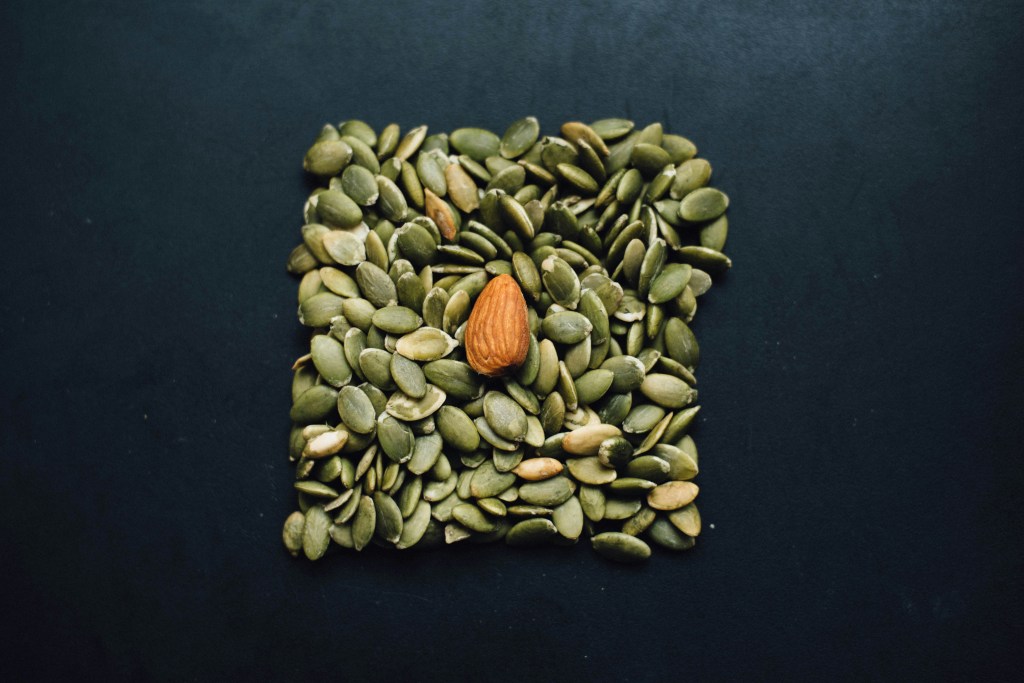
- Pumpkin seeds
- Edamame
- Brown rice
- Bananas
- Potatoes
Recommended daily intake
| Magnesium | ||
| Age | AI | RDI |
| 0-6 months | 30 mg/day | |
| 7-12 month | 75 mg/day | |
| 1-3 yr | 80 mg/day | |
| 4-8 yr | 130 mg/day | |
| Boys | ||
| 9-13 yr | 240 mg/day | |
| 14-18 yr | 410 mg/day | |
| Girls | ||
| 9-13 yr | 240 mg/day | |
| 14-18 yr | 360 mg/day | |
| Men | ||
| 19 – 30 yr | 400 mg/day | |
| 31 – > 70 yr | 420 mg/day | |
| Woman | ||
| 19 – 30 yr | 310 mg/day | |
| 31 – > 70 yr | 320 mg/day | |
| pregnancy | 350 mg/day | |
| lactating | 310 mg/day |
Summary
Magnesium is important due to its many functions in the body, including maintaining bone health, supporting immune function, and helping regulate blood pressure and lung function.
Magnesium is also a good mineral to assist with anxiety, which sometimes this aspect can be overlooked. And when applied topically is an amazing muscle relaxant.
Generally, you should get enough magnesium through your diet, however we are all different, and depending on other health conditions you may require supplementation of this mineral, which can be taken either orally or topically applied directly to the skin. Seek guidance from your health practitioner.
Trace minerals
Trace minerals are needed in smaller amounts than macrominerals but still enable important functions in your body.
The trace minerals and some of their functions can be found below.
Chromium

Function
Chromium plays a role in carbohydrate, lipid, and protein metabolism by increasing insulin action. Some studies have also shown that chromium supplements may help with type 2 diabetes and insulin resistance, however this must always be run past your health practitioner prior to adding a chromium supplement to your diet, especially if you have been diagnosed with any type of insulin related health issues.
Deficiency
Chromium deficiency has not been reported in healthy populations, and no definitive deficiency symptoms have been established.
Good sources
Chromium is present in many foods, however, chromium amounts in these foods vary widely depending on local soil and water conditions as well as agricultural and manufacturing processes used to produce them.
Proteins that contain chromium
- Seafood, including mussels
- Lean beef
- Turkey
- Chicken
- Eggs
- Legumes
- Low fat milk, dairy and cheese
- Nuts and seeds, including Brazil nuts
- Soy products
Fruits, vegetables, and grains that contain chromium
- Broccoli
- Grape juice
- Brewer’s yeast
- Whole wheat
- Wine
Recommended daily intake
| Chromium | |
| Age | AI |
| 0-6 months | 0.2 µg/day |
| 7-12 month | 5.5 µg/day |
| 1-3 yr | 11 µg/day |
| 4-8 yr | 15 µg/day |
| Boys | |
| 9-13 yr | 25 µg/day |
| 14-18 yr | 35 µg/day |
| Girls | |
| 9-13 yr | 21 µg/day |
| 14-18 yr | 25 µg/day |
| Men | |
| 19 – >70 yr | 35 µg/day |
| Woman | |
| 19 – >70 yr | 25 µg/day |
| pregnancy | 30 µg/day |
| lactating | 45 µg/day |
Summary
Chromium is found in a variety of foods, deficiency is usually very rare. Recent studies have shown evidence that chromium may help with controlling blood sugar levels in individuals with diabetes, however this must be controlled under the guidance of your health practitioner.
Several other types of medications have the potential to interact with chromium supplements as well, such as reflux drugs, thyroid medication, anti-inflammatory drugs, beta blockers, antacids, and corticosteroids. Woman who are pregnant or breast feeding should not consume a chromium supplement unless advised by health practitioner.
Copper
Function
Copper is an antioxidant, involved in many functions, and it is probably overlooked in our diets.
It is a cofactor for several enzymes (known as cuproenzymes) involved in energy production, iron metabolism, neuropeptide activation, connective tissue synthesis, and neurotransmitter synthesis. It is important for the regulation of gene expression, brain development, pigmentation, and immune system functioning.
Deficiency
Copper deficiency is fairly uncommon in humans.
However, even though copper deficiency is not a common occurrence, in cases of deficiency this can results in defects in connective tissue that lead to vascular and skeletal problems, and anaemia related to defective iron metabolism. It can also affect the central nervous system and the immune and cardiovascular systems.
There is also a link with people taking high dietary intake of zinc, which can interfere with copper absorption.
Good sources
A wide variety of plant and animal foods contain copper. Typical diets meet or exceed the copper RDA.
Proteins that contain copper
- Liver
- Crab
- Oysters
- Turkey
- Cashews
- Chickpeas
Fruits, vegetables, and grains that contain copper
- Potatoes
- Shiitake mushrooms
- Dark chocolate
- Baking chocolate
- Sunflower seeds
- Avocado
- Asparagus
- Sesame seeds
Recommended daily intake
| Copper | |
| Age | AI |
| 0-6 months | 0.20 mg/day |
| 7-12 month | 0.22 mg/day |
| 1-3 yr | 0.7 mg/day |
| 4-8 yr | 1.0 mg/day |
| Boys | |
| 9-13 yr | 1.3 mg/day |
| 14-18 yr | 1.5 mg/day |
| Girls | |
| 9-13 yr | 1.1 mg/day |
| 14-18 yr | 1.1 mg/day |
| Men | |
| 19 – >70 yr | 1.7 mg/day |
| Woman | |
| 19 – >70 yr | 1.2 mg/day |
| pregnancy | 1.3 mg/day |
| lactating | 1.5 mg/day |
Summary
Copper is an antioxidant, a cofactor for several enzymes and is an important mineral for the regulation of gene expression, brain development, immune system functioning, energy metabolism, and nervous system function.
Copper is absorbed mainly in the small intestine although some absorption may also occur in the stomach. Nearly two thirds of the body’s copper is found in the skeleton and muscles, but the liver is also important in maintaining plasma levels.
Having too much copper in the blood has been linked to contributing to Alzheimer’s disease.
Fluoride
Function
This nonessential trace mineral helps with the development of bones and has been known for its strong connection with tooth health, keeping teeth strong and cavity free.
Deficiency
Both inadequate and excessive fluoride intakes can affect dental health. Inadequate intakes are associated with increased tooth decay (dental caries) and excessive intakes with damage to tooth enamel.
Good sources
Fluoride is ingested from several sources including foods, fluoridated water, fluoridated toothpastes, and some dietary supplements. Fluoride intake from most foods is low.
Depending on where you live, fluoride has been added to mainstream drinking water, this is very dependant geographically in Australia and has been a very big topic in certain areas when it comes to political health.
Proteins that contain fluoride
- Crab, canned
- Prawns
Fruits, vegetables, and grains that contain fluoride
- Coffee
- Tea
- Some fruit juices
- Raisins
- Potatoes
- Oatmeal
Recommended daily intake
| Fluoride | |
| Age | AI |
| 0-6 months | – |
| 7-12 month | 0.5 mg/day |
| 1-3 yr | 0.6 mg/day |
| 4-8 yr | 1.1mg/day |
| Boys | |
| 9-13 yr | 2 mg/day |
| 14-18 yr | 3 mg/day |
| Girls | |
| 9-13 yr | 2 mg/day |
| 14-18 yr | 3 mg/day |
| Men | |
| 19 – >70 yr | 4 mg/day |
| Woman | |
| 19 – >70 yr | 3 mg/day |
| pregnancy | 3 mg/day |
| lactating | 3 mg/day |
Summary
Fluoride helps with the development of bones and teeth, nearly 99% of the body’s fluoride is bound strongly to calcified tissues.
Fluoride is not found in a large variety of foods, generally it is consumed through tap water which has had this mineral added into it or via toothpaste products. Fluoride is particularly important in infants and the development and health of their bones and teeth.
Iodine

Function
Iodine is essential to make thyroid hormones and regulate the thyroid. These hormones control your basal metabolic rate (BMR) (the rate your body uses energy when it is resting). They also help your brain and body grow and develop.
Iodine also helps to regulate body temperature, as well as its nerve and muscle function. It also plays a role in the body’s growth and development.
Deficiency
Too little iodine can lead to thyroid dysfunction, developmental abnormalities, and goitres, a swelling of the thyroid gland. Too much iodine can do this too, so it’s important to have your levels in check.
The iodine content of most foods is low and can be affected by soil, irrigation, and fertilisers, losses can also occur in cooking.
Good sources
You are likely to be getting enough iodine through your diet.
Iodine in food and iodised salt is present in several chemical forms including sodium and potassium salts, inorganic iodine, iodate, and iodide. Iodine rarely occurs as the element but rather as a salt.
Proteins that contain iodine
- Dairy products
- Cod
- Seafood
- Eggs
Fruits, vegetables, and grains that contain iodine
- Seaweed
- Some vegetables
- Iodine can also be found in iodised salt
- All commercially bought breads (except organic) in Australia are fortified with iodised salt
Recommended daily intake
| Iodine | |
| Age | AI |
| 0-6 months | 90 µg/day |
| 7-12 month | 110 µg/day |
| 1-3 yr | 90 µg/day |
| 4-8 yr | 90 µg/day |
| Boys | |
| 9-13 yr | 120 µg/day |
| 14-18 yr | 150 µg/day |
| Girls | |
| 9-13 yr | 120 µg/day |
| 14-18 yr | 150 µg/day |
| Men | |
| 19 – >70 yr | 150 µg/day |
| Woman | |
| 19 – >70 yr | 150 µg/day |
| pregnancy | 220 µg/day |
| lactating | 270 µg/day |
Summary
Iodide is quickly and almost completely absorbed in the stomach. When iodide enters the circulation, the thyroid gland concentrates it in appropriate amounts for thyroid hormone synthesis and most of the remaining amount is excreted in the urine.
The amount of bioavailable iodine depends on the amount consumed rather than the chemical form or composition of the diet.
Important for energy production and oxygen consumption in cells, helping to maintain the body’s metabolic rate.
You are likely to be getting enough iodine through your diet, however, if you are deficient and need to take a supplement, be guided by your health practitioner. Too much iodine can be harmful, especially if you have an underlying thyroid disorder.
Iron

Function
Iron in foods can come in two general forms – as haem or non-haem iron.
Iron from animal food sources such as meat, fish and poultry may be either haem or non-haem whereas the iron in plant sources such grains and vegetables are non-haem.
Iron is an important mineral that is involved in various bodily functions, including the transport of oxygen in the blood the provision of energy to cells, it supports muscle metabolism and healthy connective tissue. Iron is also necessary for physical growth, neurological development, cellular functioning, and synthesis of some hormones, while also being vital to our immune system function.
Deficiency
Iron deficiency is common and can affect adults and children. Around one in 8 people do not consume enough iron to meet their needs.
Some factors such as certain foods and drinks can affect how much iron your body absorbs. Also, some groups are more at risk of iron deficiency, such as babies and young children, teenage girls, women with heavy periods, vegans, and vegetarians along with some people with chronic conditions.
The presence of other nutrients such as vitamin C, lactic or malic acid can increase the absorption of non-haem iron. Consumption of meat, fish and poultry can also increase non-haem iron absorption from plant foods consumed at the same time.
In contrast, some other components of nutrients such as calcium, zinc or phytates (found in legumes, rice and other grains) can inhibit the absorption of both haem and non-haem iron, and polyphenols and vegetable protein can inhibit absorption of non-haem iron. High iron intakes can, in turn, affect the absorption of other nutrients such as zinc or calcium.
Good sources
Proteins that contain iron
- Oysters
- Red meat
- Poultry
- Eggs
- Legumes, including white beans, kidney beans and lentils
- Tofu
- Pistachio and cashews
Fruits, vegetables, and grains that contain iron
- Leaf greens including, spinach
- Dark chocolate
- Raisins
- Broccoli
- breakfast cereals fortified with iron
Recommended daily intake
| Iron | ||
| Age | AI | RDI |
| 0-6 months | 0.2 mg/day | |
| 7-12 month | 11 mg/day | |
| 1-3 yr | 9 mg/day | |
| 4-8yr | 10 mg/day | |
| Boys | ||
| 9-13yr | 8 mg/day | |
| 14-18 yr | 11 mg/day | |
| Girls | ||
| 9-13 yr | 8 mg/day | |
| 14-18yr | 15 mg/day | |
| Men | ||
| 19 – >70 yr | 8 mg/day | |
| Woman | ||
| 19 – 50 yr | 18 mg/day | |
| 51 – > 70 yr | 8 mg/day | |
| pregnancy | 27 mg/day | |
| lactating | 9 mg/day |
Summary
Iron is important for the making of amino acids, collagen, neurotransmitters, and hormones.
As it’s easier to absorb iron from red meat and poultry, people on a vegetarian or vegan diet should be consuming more iron-rich leafy green vegetables, and may want to consider iron supplements, if there is any issue with iron absorption.
The iron from plant sources is less bioavailable. The form in which iron is consumed will affect dietary intake requirements as not all dietary iron is equally available to the body. Consuming other nutrients such as vitamin C, lactic or malic acid can increase the absorption of non-haem iron.
Manganese

Function
Manganese is an antioxidant that is important for energy, bone development and wound healing.
It is also a cofactor for many enzymes. Through the action of these enzymes, manganese is involved in amino acid, cholesterol, glucose, and carbohydrate metabolism, bone formation, reproduction, and immune response. Manganese also plays a role in blood clotting and haemostasis in conjunction with vitamin K.
Deficiency
Manganese deficiency is very rare in humans, and signs and symptoms of deficiency have not been firmly established. There have been some studies showing that manganese deficiency might alter lipid and carbohydrate metabolism and cause abnormal glucose tolerance.
Dietary iron intakes appear to be associated with manganese absorption.
Good sources
Manganese is present in a wide variety of foods, along with drinking water, which also contains small amounts of manganese.
Proteins that contain manganese
- Blue mussels
- Oysters
- Nuts, including hazelnuts, pecans
- Legumes
- Soybeans
Fruits, vegetables, and grains that contain manganese
- Pineapple
- Cooked brown rice
- Whole grains
- Leafy vegetables
- Coffee
- Tea
- Spices, including black pepper
Recommended daily intake
| Manganese | |
| Age | AI |
| 0-6 months | 0.003 mg/day |
| 7-12 month | 0.600 mg/day |
| 1-3 yr | 2.0 mg/day |
| 4-8 yr | 2.5 mg/day |
| Boys | |
| 9-13 yr | 3.0 mg/day |
| 14-18 yr | 3.5 mg/day |
| Girls | |
| 9-13 yr | 2.5 mg/day |
| 14-18 yr | 3.0 mg/day |
| Men | |
| 19 – >70 yr | 5.5 mg/day |
| Woman | |
| 19 – >70 yr | 5.0 mg/day |
| pregnancy | 5.0 mg/day |
| lactating | 5.0 mg/day |
Summary
Manganese is an essential element involved in bone formation and in the metabolism of carbohydrate, cholesterol, and amino acids. Manganese deficiency is very rare in humans, yet it should not be overlooked.
Molybdenum

Function
Your body uses molybdenum to process proteins and genetic material like DNA. Molybdenum also helps break down drugs and toxic substances that enter the body.
It acts as a cofactor for many enzymes, which means, it speeds up the body’s biochemical reactions that break down nutrients into energy.
Deficiency
Molybdenum deficiency has never been documented in healthy people, and toxicity is similarly rare.
Good sources
This mineral is found in mainly plant foods and reflects the soil content in which they grow. Legumes, grains, and nuts are major source of molybdenum in the western diet.
Proteins that contain molybdenum
- Legumes including lima beans and black eyed peas
- Eggs
- Beef
- Chicken
- Dairy products
Fruits, vegetables, and grains that contain molybdenum
- Whole grains
- Rice
- Nuts
- Potatoes
- Bananas
- Leafy greens
Recommended daily intake
| Molybdenum | ||
| Age | AI | RDI |
| 0-6 months | 2 µg/day (0.3µg/kg/day) | |
| 7-12 month | 3 µg/day (0.3µg/kg/day) | |
| 1-3 yr | 17 µg/day | |
| 4-8 yr | 22 µg/day | |
| Boys | ||
| 9-13 yr | 34 µg/day | |
| 14-18 yr | 43 µg/day | |
| Girls | ||
| 9-13 yr | 34 µg/day | |
| 14-18 yr | 43 µg/day | |
| Men | ||
| 19 – >70 yr | 45 µg/day | |
| Woman | ||
| 19 – >70 yr | 45 µg/day | |
| pregnancy | 50 µg/day | |
| lactating | 50 µg/day |
Summary
Molybdenum is found in mainly plant foods and reflects the soil content in which they grow.
This mineral is essential in the process of proteins and DNA. It acts as a cofactor for many enzymes, speeding up the body’s biochemical reactions that break down nutrients into energy.
Molybdenum also helps break down drugs and toxic substances in the body.
Selenium

Function
Selenium is important for reproduction, thyroid health, and DNA production.
It is an antioxidant, meaning it will aid in protecting the body from damage caused by free radicals.
Deficiency
Selenium deficiency alone rarely causes illness, but it produces biochemical changes that might predispose people who experience additional stresses to develop certain illnesses.
Good sources
Selenium is found naturally in many foods. The amount of selenium in plant foods depends on the amount of selenium in the soil where they were grown.
The amount of selenium in animal products depends on the selenium content of the foods that the animals ate.
You can get recommended amounts of selenium by eating a variety of foods.
Proteins that contain selenium
- Ham
- Sardines
- Yellow fin tuna
- Poultry
- Eggs
- Brazil nuts
Fruits, vegetables, and grains that contain selenium
- Breads
- Cereals
- Grain products
Recommended daily intake
| Selenium | ||
| Age | AI | RDI |
| 0-6 months | 12 µg/day | |
| 7-12 month | 15 µg/day | |
| 1-3 yr | 25 µg/day | |
| 4-8 yr | 30 µg/day | |
| Boys | ||
| 9-13 yr | 50 µg/day | |
| 14-18 yr | 70 µg/day | |
| Girls | ||
| 9-13 yr | 50 µg/day | |
| 14-18 yr | 60 µg/day | |
| Men | ||
| 19 – >70 yr | 70 µg/day | |
| Woman | ||
| 19 – >70 yr | 60 µg/day | |
| pregnancy | 65 µg/day | |
| lactating | 75 µg/day |
Summary
The amount of selenium in plant-based food depends on the amount and form of selenium in the soil.
Selenium in foods is protein bound, meaning that foods which are high in protein tend to be the best sources of selenium. Brazil nuts, seafood, meat, poultry, and organ meats are the richest food sources of selenium. Other sources include cereals and other grains, and dairy products.
Zinc

Function
Zinc is an important mineral involved in various bodily functions including growth and development, immune function, and wound healing.
Zinc also helps to produce the active form of vitamin A and transports it around the body.
Deficiency
Most people get enough zinc from the foods they eat. However, certain groups of people may have trouble getting enough zinc:
- People who have had gastrointestinal surgery or digestive disorders such as Crohn’s disease or ulcerative colitis
- People who follow vegetarian or vegan diets, due to meat and seafood being a good source of zinc. Also, beans and grains contain phytates that reduce the amount of zinc the body absorbs
- Excess alcohol consumption
- Pregnant or breastfeeding woman need more zinc in their diet
Good sources
Zinc is highest in protein-rich foods but may also be found in some plant foods. You can get recommended amounts of zinc by eating a variety of foods.
Proteins that contain zinc
- Red meat
- Shellfish
- Oysters
- Nuts
- Poultry
- Eggs
- Milk and cheese
Fruits, vegetables, and grains that contain zinc
- Beans
- Whole grains
- Fortified breakfast cereal
Recommended daily intake
| Zinc | ||
| Age | AI | RDI |
| 0-6 months | 2.0 mg/day | |
| 7-12 month | 2.5 mg/day | |
| 1-3 yr | 3 mg/day | |
| 4-8 yr | 4 mg/day | |
| Boys | ||
| 9-13 yr | 6 mg/day | |
| 14-18 yr | 13 mg/day | |
| Girls | ||
| 9-13 yr | 6 mg/day | |
| 14-18 yr | 7 mg/day | |
| Men | ||
| 19 – >70 yr | 14 mg/day | |
| Woman | ||
| 19 – >70 yr | 8 mg/day | |
| pregnancy | 11 mg/day | |
| lactating | 12 mg/day |
Summary
Zinc is found in cells throughout the body. It helps your immune fight off viruses and bacteria. Your body also uses zinc to make DNA and proteins.
During pregnancy, infancy, childhood, and adolescence the body needs zinc to grow and develop properly.
Zinc also helps wounds heal and is important for the proper sense of taste.
Zinc also helps to produce the active form of vitamin A and transports it around the body.
Although deficiency is rare, there are some individuals who may be at risk due to lifestyle or health issues. Check with your health practitioner if you need to consume zinc through supplementation.
bottom line
Vitamins and Minerals are essential nutrients that are the building block to your overall health.
They provide the individual with everything you need to ensure the body is functioning optimally. They will assist your body in a multitude of different ways, yet at times they will also work together in a very specific, organised processes.
Whether they are combating free radicals, nurturing the immune system, or speeding up processes with coenzymes in many metabolic processes, vitamins and minerals are the key to nutrition.
Nutrition is meant to be easy and accessible, you can get all the vitamins and minerals your body needs by eating a varied and balanced wholefood diet, limiting processed foods.
If you are in doubt that you may have some nutritional deficiencies, or are treating disease in the body, talk to your health practitioner for guidance regarding diet plans or supplements which are right for you.
Your body will thank you for it!
This fact sheet provides information that should not take the place of medical advice.
We encourage you to talk to your health care providers (doctor, registered dietitian, naturopath, pharmacist) regarding questions about the use of dietary supplements and what may be best for your overall health.
References:
- Keratomalacia, Wikipedia
https://en.wikipedia.org/wiki/Keratomalacia
- ATP, adenosine triphosphate, Wikipedia
https://en.wikipedia.org/wiki/Adenosine_triphosphate
- Pellagra, Wikipedia
https://en.wikipedia.org/wiki/Pellagra
- Paresthesia, Web MD
https://www.webmd.com/brain/paresthesia-facts
- Hypoglycemia, Mayo Clinic
https://www.mayoclinic.org/diseases-conditions/hypoglycemia/symptoms-causes/syc-20373685
- Peripheral neuropathy, Mayo clinic
https://www.mayoclinic.org/diseases-conditions/peripheral-neuropathy/symptoms-causes/syc-20352061
- Hyperkeratosis, Wikipedia
https://en.wikipedia.org/wiki/Hyperkeratosis
- Dietary reference intake, National library of medicine
- Nutrient reference, Eat for health gov.au https://www.eatforhealth.gov.au/nutrient-reference-values/nutrients
- National Institute of Health
https://ods.od.nih.gov/factsheets/list-VitaminsMinerals/
- Rickets, Wikipedia
https://en.wikipedia.org/wiki/Rickets
- Osteomalacia, Wikipedia
https://en.wikipedia.org/wiki/Osteomalacia
- Scurvy, Wikipedia
https://en.wikipedia.org/wiki/Scurvy
- Antioxidant, Wikipedia
https://en.wikipedia.org/wiki/Antioxidant
- Collagen, Wikipedia
https://en.wikipedia.org/wiki/Collagen
- L-Carnitine, Web MD
https://www.webmd.com/vitamins/ai/ingredientmono-1026/l-carnitine
- Free radicals, National Library Of Medicine
https://www.ncbi.nlm.nih.gov/pmc/articles/PMC3249911/
- Hypercalcemia, Mayo Clinic
- Osteoporosis, Mayo Clinic
https://www.mayoclinic.org/diseases-conditions/osteoporosis/symptoms-causes/syc-20351968
- Crohnes disease, mayo Clinic
https://www.mayoclinic.org/diseases-conditions/crohns-disease/symptoms-causes/syc-20353304
- Ulcerative colitis, Mayo Clinic
- Cofactor, Wikipedia
- Alzheimer’s disease, Wikipedia
https://en.wikipedia.org/wiki/Alzheimer%27s_disease
- BMR, Wikipedia
https://en.wikipedia.org/wiki/Basal_metabolic_rate
- Goitre, Mayo clinic
https://www.mayoclinic.org/diseases-conditions/goiter/symptoms-causes/syc-20351829
- Phytic acid, Wikipedia
https://en.wikipedia.org/wiki/Phytic_acid
The entire contents of this website are based upon the opinion of the author, which has been researched through a variety of integrated health modalities.
The information on this website is not intended to replace the relationship with a qualified health care professional and is not intended as medical advice. The articles are intended as a sharing of knowledge and information from the research and experience which has come from a variety of health practitioners in their individual fields.
Kin daily, encourages you to make your own health care decisions based upon your personal health journey with the guidance of a qualified health care practitioner.

 dailykinhealth.com
One Comment Add yours